
 Global
The Gulf’s Economic Resilience amid Regional Turbulence
25
Jun2026
The conflict that erupted on 28 February has generated immediate and tangible value destruction in the economies of the member states of the Gulf Cooperation Council (GCC), affecting infrastructure as well as sectors including aviation, hospitality, and logistics. In parallel, higher global energy costs and supply disruptions have contributed to mounting inflationary pressures across the GCC. Moreover, while Saudi Arabia and the United Arab Emirates have managed to reroute part of their energy and fertiliser exports outside the Strait of Hormuz, thus increasing the value of their energy exports, countries such as Bahrain, Kuwait and Qatar remain highly dependent on the conduit. Ports receiving food supplies and consumer goods have also faced serious disruption, further underscoring the importance of developing alternative trade routes. More broadly, the sub-region must now adapt to what could become a new era of heightened geopolitical risk. The current crisis could therefore help shape the region and its economic outlook for years to come. To explore how Gulf countries are preparing to recover from the crisis’ adverse consequences, the resources they will deploy in this regard, and unpack how they intend to build longer-term resilience and future-proof their growth models, ORF Middle East will convene a discussion bringing together distinguished experts and policymakers.
Speakers

Niamh McBurney
Head of Analysis & Director, MENA at Control Risks
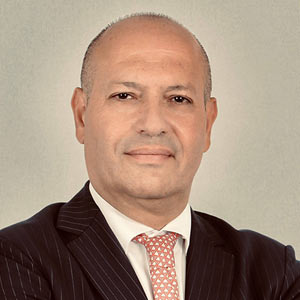
Tarek Fadlallah
Managing Director & CEO, Nomura Asset Management (Middle East).
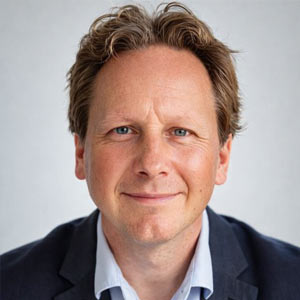
Justin Alexander
Director of Khalij Economics, Non-Resident Fellow, Arab Gulf States Institute and Baker Institute
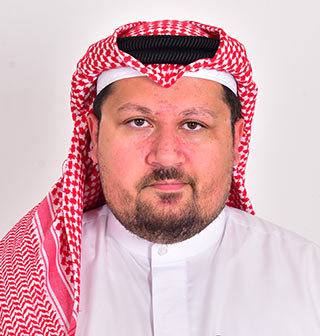
Mahdi Ghuloom
Junior Fellow, Geopolitics, ORF Middle East
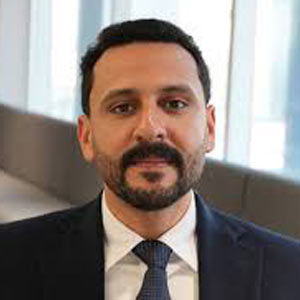
Akram Zaoui (Moderator)
Associate Fellow, Geopolitics, ORF Middle East


