
 Global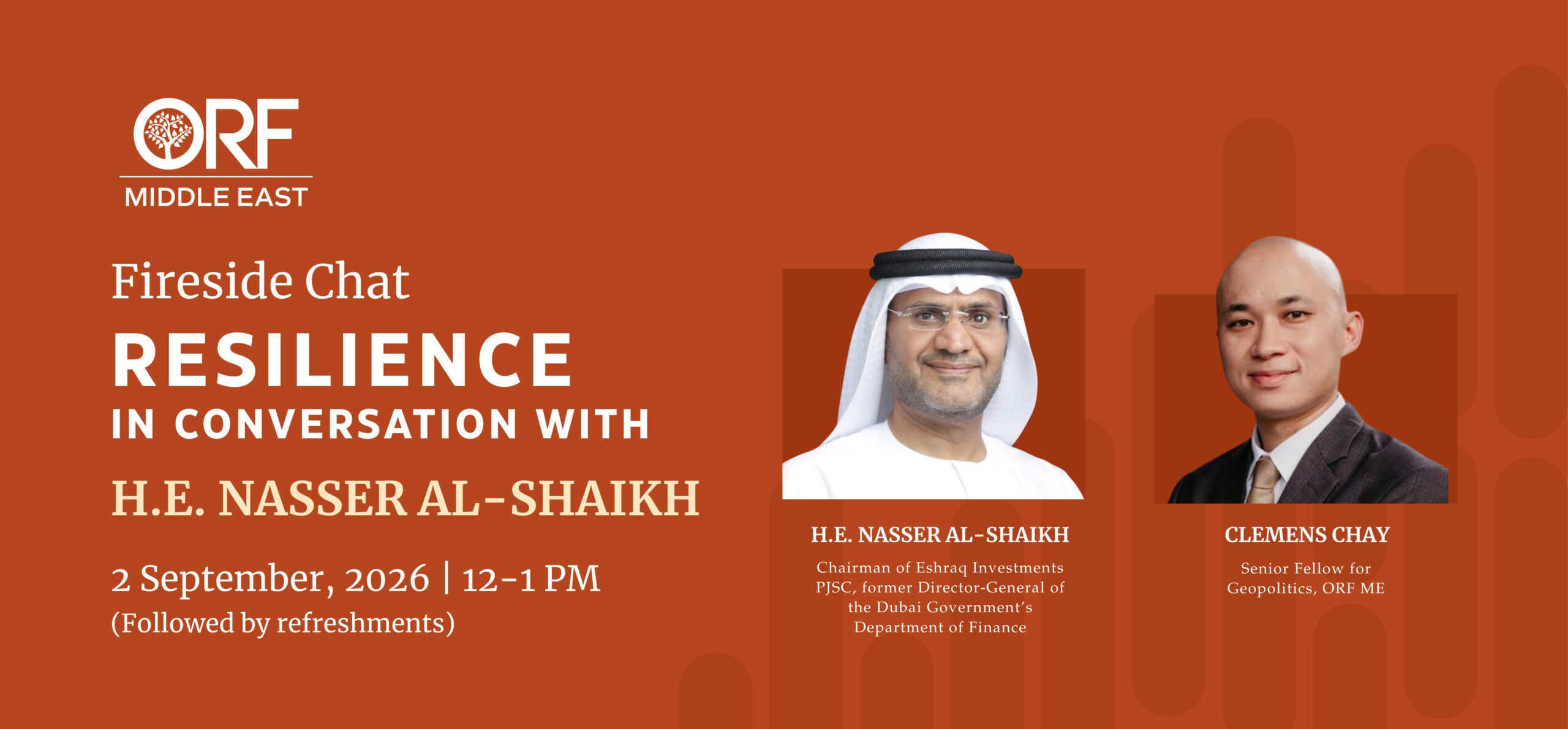
Resilience: In Conversation with H.E. Nasser Al-Shaikh
02
Sep2026
When conflict closed the Strait of Hormuz in early 2026, it triggered the largest oil supply shock in a generation and tested the fiscal architecture of every Gulf economy simultaneously. Some states had built resilience through pipeline redundancy and diversified reserves, while others — lacking such buffers — faced acute exposure.
This fireside chat welcomes H.E. Nasser Al-Shaikh (Chairman of Eshraq Investments PJSC, former Director-General of Dubai’s Department of Finance), for a considered examination of how the UAE, and the wider Gulf Cooperation Council, embedded resilience into public finances well ahead of the crisis. What policy choices underpinned Dubai’s fiscal discipline, and how far has regional coordination on economic resilience gone? Which infrastructure and reserve strategies shaped such divergent national outcomes?
Beyond broader national policies, the conversation will also turn to sector-specific dimensions, including finance, the property market, and other major infrastructure projects.
Speakers
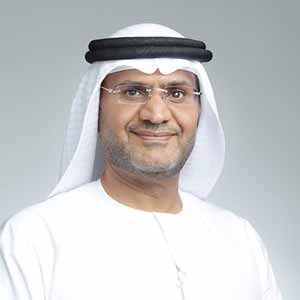
H.E. Nasser Al-Shaikh
Chairman of Eshraq Investments PJSC, former Director-General of the Dubai Government’s Department of Finance

Clemens Chay (Moderator)
Senior Fellow for Geopolitics, ORF ME


