 Global
Special Reports | 12 July, 2026 Download Report (PDF)
UAE’s Exit from OPEC and OPEC+: Strategic Implications for Energy Markets and Diplomacy
This report explores United Arab Emirate’s decision to exit OPEC (Organisation of the Petroleum Exporting Countries) and OPEC+ as a strategic response to deeper structural changes in global energy markets, and as part of a wider effort to preserve national policy flexibility in an increasingly fragmented energy order. In particular, it highlights the growing divergence inside OPEC and OPEC+, especially between diversified low-cost producers and more fiscally constrained members that rely on tighter price support and collective discipline.
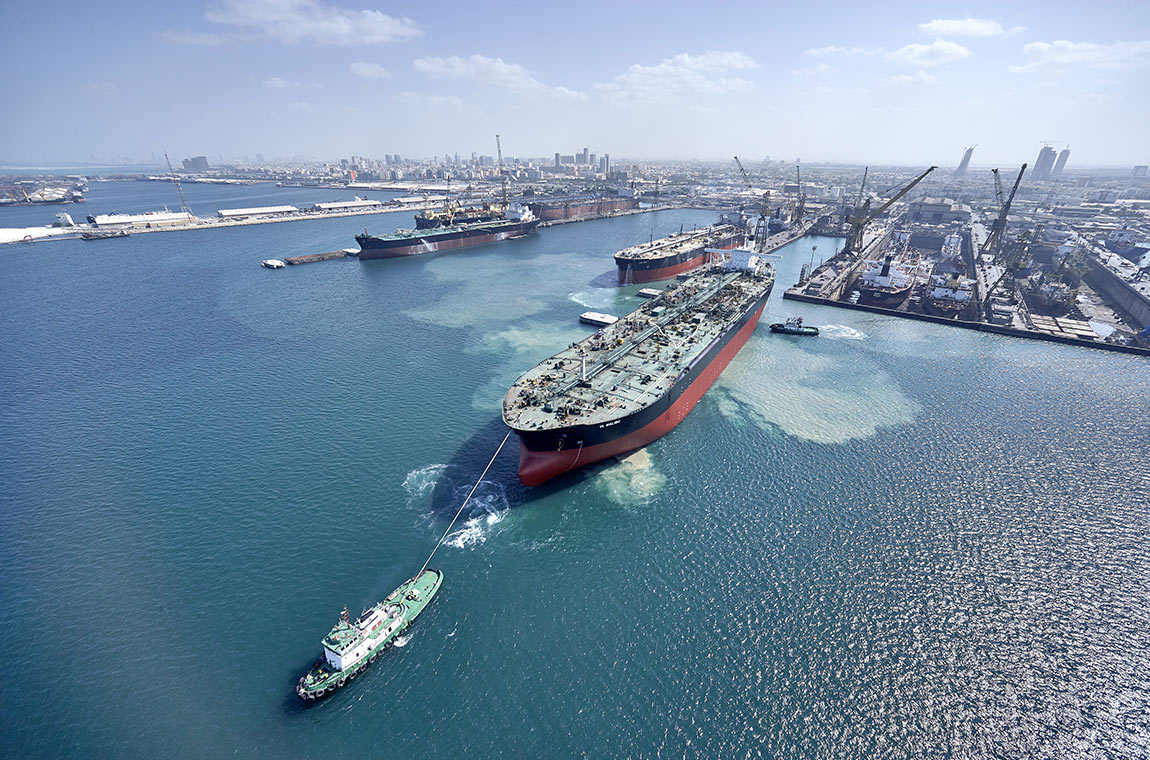
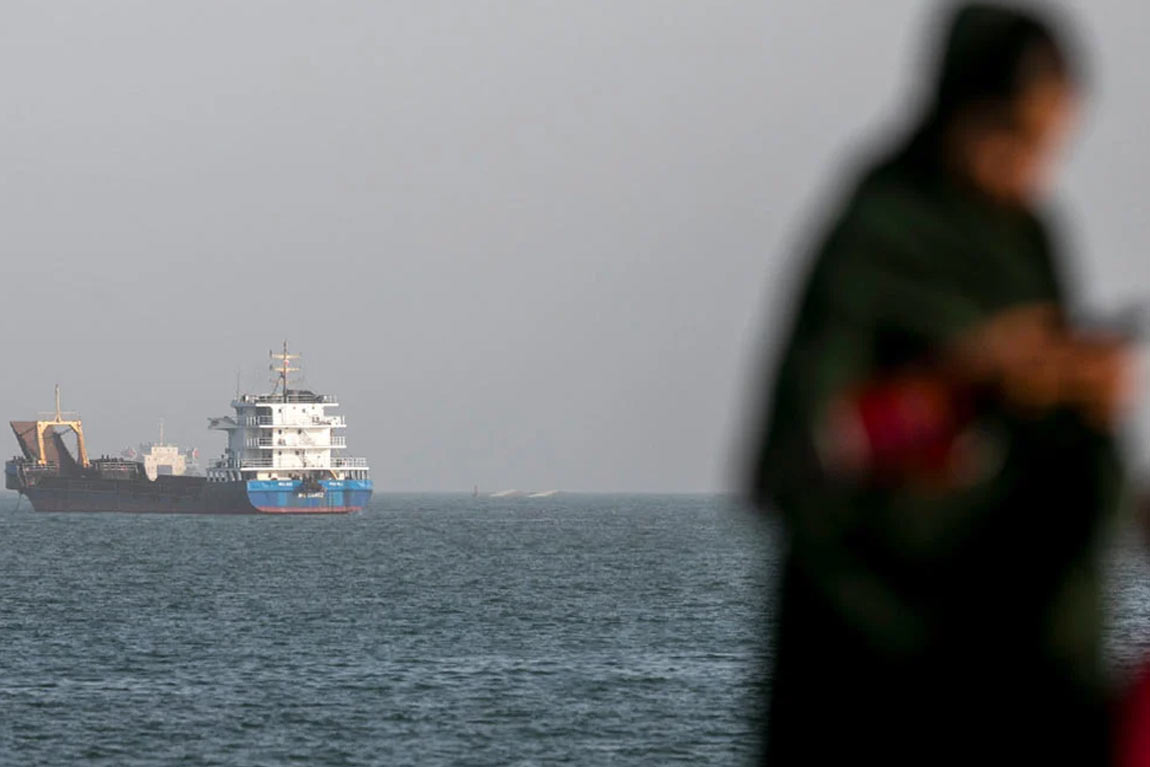
Historically, the UAE has been a significant member of the OPEC. Therefore, its departure matters because it signals that even highly capable and disciplined producers may now place strategic autonomy, infrastructure, and bilateral energy relationships ahead of collective quota management. The economic case for the exit rests on opportunity cost, capital efficiency, reserve timing, and the monetisation of advantaged low-cost production capacity. Large investments in production capacity become harder to justify when a significant share of that capacity remains constrained by quotas for extended periods. Moreover, the report demonstrates that UAE views hydrocarbon expansion and clean energy investment as part of the same strategic model – by maximising the value of relatively advantaged oil resources while using those revenues to fund diversification, renewables, and longer-term transition priorities. At the same time, the report emphasises that spare capacity has limited value if transport routes, insurance, and infrastructure resilience are weak. Market effects are shaped less by the formal exit itself than by export logistics, maritime security, and the vulnerability of the Strait of Hormuz.
In light of recent geopolitical disruptions in the region, the report argues that Gulf producers should accelerate investment in alternative export routes, storage, and pipeline redundancy so that production capacity is matched by credible delivery capability during periods of geopolitical disruption. Furthermore, these developments will encourage OPEC and OPEC+ members to revisit quota baselines and compliance frameworks to better reflect actual productive capacity, investment levels, and fiscal asymmetries among member states. Energy exporters pursuing net-zero or diversification agendas should articulate clearer transition strategies showing how current hydrocarbon revenues are being converted into lower-carbon infrastructure, industrial resilience, and non-oil growth. In addition, consumer and producer states should deepen coordination on maritime security, inventory management, and refinery continuity, since energy security increasingly depends on logistics and system resilience rather than output volumes alone. Accordingly, policymakers in the United States, Asia, and the Gulf should treat bilateral energy diplomacy, downstream partnerships, and infrastructure finance as central tools of market stability, not as secondary issues to headline production policy.
Overall, the report concludes that the UAE’s departure is best understood as a sign of broader change: oil-market governance is becoming more fragmented, infrastructure resilience is becoming more strategic, and the energy transition is intensifying competition over which producers can remain flexible, secure, and commercially advantaged during a prolonged period of geopolitical uncertainty.
The insights presented in this report are drawn from a panel discussion organised by the Anwar Gargash Diplomatic Academy in Abu Dhabi on May 5th, 2026, titled “Leaving the Cartel: Unpacking the UAE’s Decision and its Implications for Global Markets”.
Read the report here.
This report was first published by the Anwar Gargash Diplomatic Academy on 29 June 2026. It can be accessed here
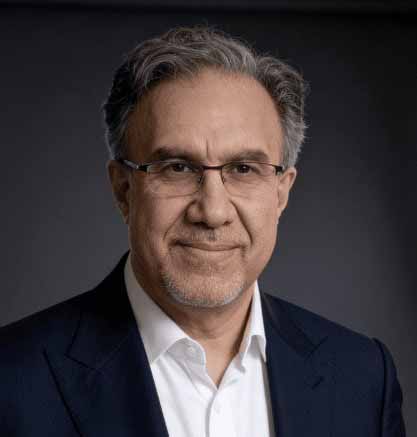
Luay al-Khateeb is former Minister of Electricity in Iraq, and advisor to the American University of Iraq-Baghdad.
Karen E. Young is Senior Research Scholar, Center on Global Energy Policy, Columbia University and Senior Fellow, Middle East Institute.
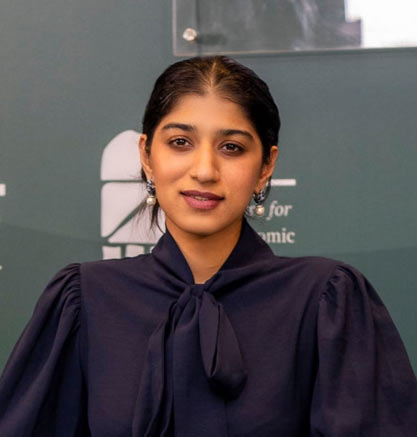
Mannat Jaspal is Director and Fellow, Climate and Energy, Observer Research Foundation-Middle East.
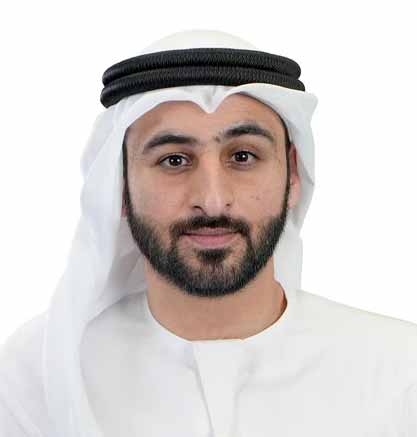
Mohamed Alzarouni is Lecturer, Anwar Gargash Diplomatic Academy.
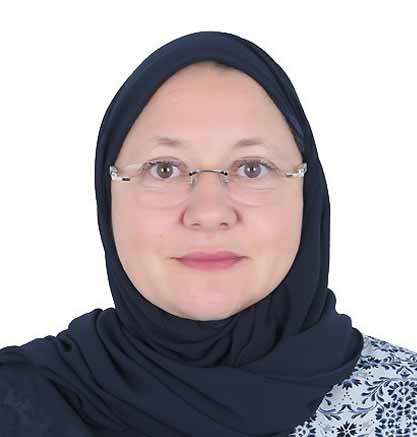
Damyana Bakardzhieva is Senior Research Fellow, Economic Diplomacy Research Programme, Anwar Gargash Diplomatic Academy.