 Global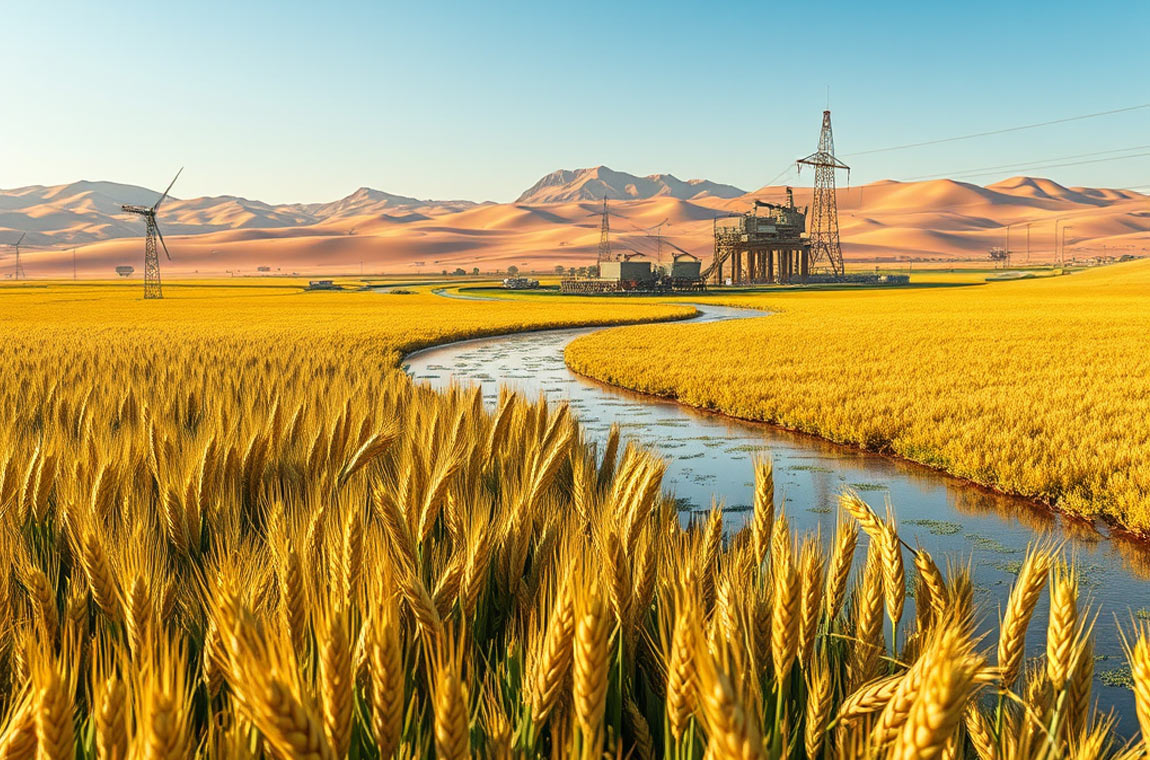
Expert Speak | 01 May, 2026
The Food-Water-Energy Nexus in the MENA Region: The Case of Egypt
This article is the part of “Policy Pathways for Food and Water Security in the MENA Region”
The Looming Water Crisis in the MENA Region
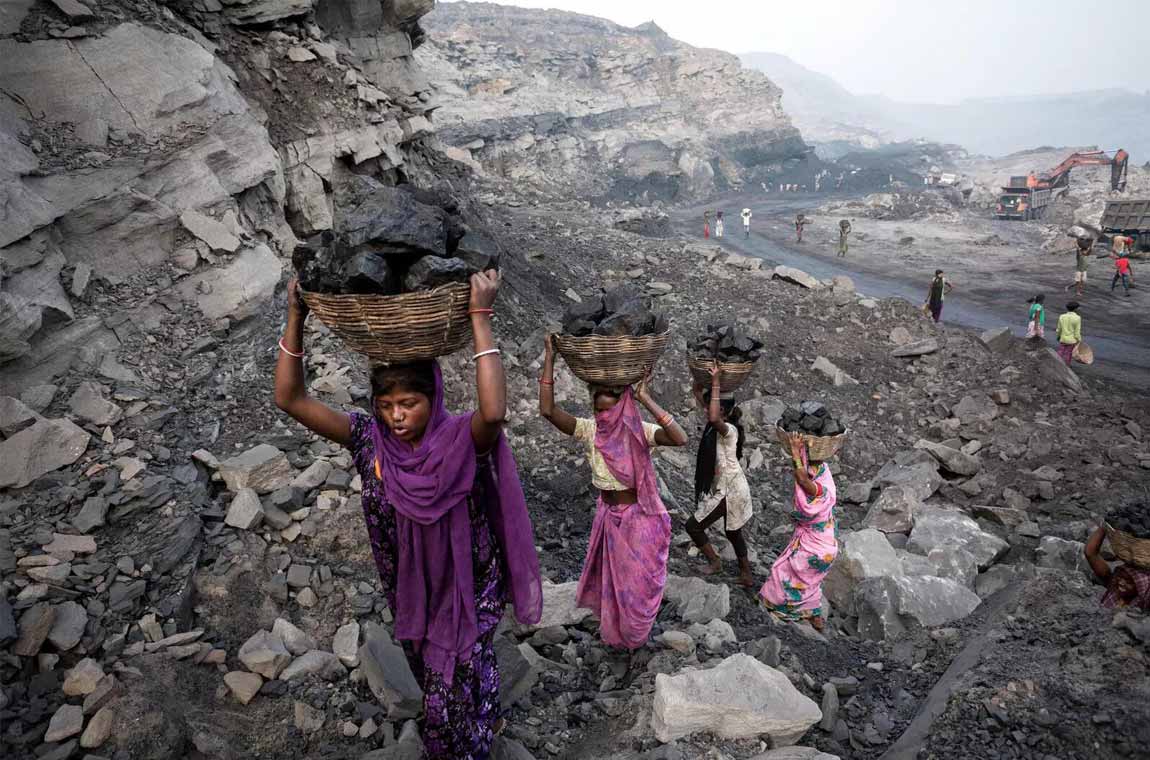
The MENA region has long coped with the problem of water scarcity. However, climate change is transforming the problem into an existential threat as more disastrous weather events are anticipated in the coming years. Precipitation is becoming even more scarce and unpredictable, with higher evapotranspiration undermining agriculture and food and warmer temperatures increasing the spread and virulence of harmful pathogens. Rising sea levels are extending saltwater intrusions along the Mediterranean and other coastal zones. Other factors such as population growth, urbanisation including the influx of climate refugees and those from conflict-ridden zones; and industrialisation, are amplifying the threat of climate change. By 2030, water demand is projected to outstrip supply by 50 percent.[1]
What the impact of the crisis would mean in adaptability terms will vary throughout MENA—a highly diverse region in terms of per capita incomes, political stability, incidence of poverty, and wealth inequality. The factors that impact vulnerability to climate change include:
1. Per capita income levels: These range from low-income and conflict-ridden countries such as Yemen (where per capita income is US$ 740); to middle-income like Morocco (US$ 3,740); and high-income like Qatar (US$ 76,720).[2]
2. Incidence of poverty: Poverty has increased in MENA from 12.3 percent (2010) to 18.1 percent (2023).[3]
3. Extensive informal sector: Most of the poor are employed in the informal sector, which makes them highly vulnerable to economic shocks.
4. Youth bulge amidst high unemployment: Compounding the challenge is the youth bulge and high youth unemployment,a estimated at around 24 percent (2025).
5. Income and wealth inequality: Vulnerability is disproportionate: 50 percent of the population of MENA earn only 9 percent of national income while the middle 40 percent earn 34 percent. The top 10 percent almost 57 percent, of which the top one percent, earn 22 percent (2023). Wealth inequality is even more pronounced as the data on respective shares of wealth show: the majority has only one percent; the middle group, 22 percent; and the top 10 percent has 77 percent. The top one percent within the latter group owns 45 percent of the wealth.[4]
6. Climate-sensitive agriculture still important: The importance of agriculture (other than in the oil-rich Gulf states) which is mainly rainfed in MENA also increases vulnerability. Farmers in regions such as the “fertile Crescent” of the Tigris and Euphrates region, along the Mediterranean coastline and the Nile (which account for around 85 percent of freshwater withdrawals in their respective countries), will experience rising temperatures while increased water scarcity are likely to change crop and livestock calendars, undermining potential growth.
7. Sea level rise as a universal threat: The heightened danger of widespread saltwater intrusions means that not only agriculture and rural areas are at risk, but urban areas too.
The FWE Nexus: Central to a Resilient and Food-Secure Development
The potential destructive impact of climate change is a central concern, although the incidence, severity and persistence of the suffering inflicted will vary. At the same time, the good news is that the crisis can be turned into an opportunity for opening sustainable pathways to resilient, inclusive, and food-secure development. However, it requires decisive pro-inclusive and resilient growth actions on a wider front. A critical step in this process is to recognise the close inter-dependencies between water and energy required to produce food and achieve food security in a climate change world.
Amidst worsening climate change, these interdependencies mean that the past approach of resorting primarily to building dams and irrigation canals to increase conventional water supply is no longer sufficient. Increasing non-conventional water supply, among others, is also needed. To combat climate change, the technologies needed to increase the supply of nonconventional water, e.g., desalination, treating and recycling wastewater are energy intensive; as well as technologies that reduce carbon emissions. This means that to increase the supply of non-conventional water, countries must develop renewable energy sources including wind and solar which will replace fossil fuels. Thus, increasing water supply requires energy but producing energy requires water. Countries, even entire regions, will need to shed their silo approach and integrate the FEW nexus in their planning and investments.
Focus on Food Self-Sufficiency
A silo approach is particularly costly in the case of food security policy as the experiences of many countries have repeatedly shown.[5] Many countries in MENA and elsewhere have defined ‘food security’ to mean not having to import basic staples, or being food self-sufficient (FSS). While food security involves access to basic staples, it entails more: “Food security exists when all peoples at all times have the physical and economic access to sufficient safe and nutritious food that meets their dietary needs and food preferences for an active and healthy life.”[6]
Such a holistic concept of food security requires that the four pillars of availability, access, utilisation, and stability are all realised. Import dependence on basic staples can certainly make a country vulnerable in a hostile geo-political, trade, or high-debt environment. But not importing staples does not mean all peoples have sufficient nutritious food to satisfy their hunger and their daily energy needs.
The Challenge of Turning Crisis into Opportunity: The Case of Egypt
Given the centrality of the FWE nexus, MENA’s FSS approach to achieve holistic food security in a world being altered by climate change is misguided. Egypt, which has been pursuing food self-sufficiency for decades, is a case in point.[7] Today it remains one of the countries in MENA most dependent on imported wheat and cooking oil.
The chronic underperformance of Egypt’s agriculture has been a primary contributor to the fragility of its food security situation. This was made clear with the onslaught of the COVID-19 pandemic, soon followed by global supply chain dislocations and the Russia-Ukraine war inflating basic food prices in MENA.[8] About half of the water in irrigated agriculture, the biggest user of fresh water from the Nile (around 80-85 percent) is wasted.[9] The majority of farmers use the traditional flood irrigation system on their 2-feddan plots which does not enable them to control the amount of water used.b
Moreover, farmers have no incentive to use water efficiently, as they do not pay for the volume of water they use. The farmers also use the scarce water on water-intensive but low-value cereal crops and sugar, for which prices are guaranteed by the state, as they are considered important for FSS. The yields of these low-value crops are projected to fall further by 10 percent (2050) compared to a no-climate-change scenario, due to heat stress (4.9 percent), water stress (4.1 percent), and salinity (1.6 percent).[10]
The Nile, the life blood of Egypt, is threatened not only by climate change but by the completion of the Grand Ethiopian Renaissance Dam (GERD, inaugurated on 9 September 2025) and the fact that there is no satisfactory treaty yet on water-sharing agreements. The problem of the Nile highlights the threat of water wars of other major transboundary rivers of the Tigris and the Euphrates; the Jordan; and the Orontes; and of over 40 transboundary aquifers in the Middle East (20) and North Africa (21).
For Egypt, the lack of water-sharing agreement with Ethiopia threatens its water security as its annual per capita water availability is estimated to be already below 500m3 in 2025, below the critical water stress level, having declined from 2526 m3 (1947) to 570 m3 (2018).c
Meanwhile, as its scarce water is being threatened, so is its fertile Nile delta from saltwater intrusions which is requiring the building of sand dykes to hold back the sea during stormy weather.[11] Egypt is also losing valuable arable land especially around big cities, at roughly 2 percent per decade as desertification intensifies, and with continued population growth and urbanisation.[12]
The Role of Regional Trade
The stakes can hardly be higher. As for most countries in MENA and elsewhere, Egypt is at an inflection point. How it manages its water scarcity to achieve food security will largely determine whether Egypt successfully transitions onto a path of resilient, inclusive, and foodsecure growth.
Egypt can turn this crisis into an opportunity by exploiting the 1.4 billion people market with a combined GDP of roughly US$3.4 trillion—a game changer offered by the African Continental Free Trade Agreement (AfCFTA), whose operational phase was launched in July 2019. Egypt can use regional trade to power its growth path. Ghanem[13] proposes a pan- African food security approach instead of pursuing country-by-country FSS which has not worked and has been costly even when water was less scarce. For other non-African MENA countries, this approach of building alliances and supportive institutions to exploit the growth potential of trade is advocated.
The Way Forward
Throughout history, violent conflict has undermined prospects of promoting a sustained, food-secure development. Collaboration, not conflict, is the way forward: the interlinked FEW problems under drier and warmer climate change conditions make solving them by any single country on its own e.g., by resorting to high tariffs and trade protectionism, costly and unsustainable.
Within each country, holistic water management impacting both demand and supply is essential to achieve water security amidst climate change. This, in turn, requires institutional changes to promote water use efficiency in agriculture and urban areas, hardware investments in latest technologies to better monitor water use and availability, and to produce the emission-reducing sources of energy such as wind and solar. To pay for these transformative investments, implementing a robust productivity and growth strategy complemented by the removal of misguided subsidies in a politically sensitive fashion, has the potential of financing the investments needed.
If the history of successful transformations—agricultural and economic—in very different historical and country contexts is of any guide, visionary political leadership committed to the public good has been essential to successfully transform crisis into opportunity.[14] Prospects for MENA to transition into inclusive, resilient, and food-secure development paths are good to the extent that visionary leadership urgently takes the first steps to integrate the centrality of the FEW nexus in their strategic approach to achieving food security and implement complementary measures to address other structural problems: e.g., chronic poverty; high inequalities in income, wealth, and opportunity; and high youth unemployment. Leadership must anchor their decisive policies in the functioning of competent administrations committed to food security for all.
Endnotes
[1] Ferid Belhaj, “The Water-Energy Nexus: The Path to Solving the Water Crisis in the Middle East and North Africa,” Policy Brief PB-16/25, March 2025, Policy Center for the New South, https://www.policycenter.ma/ sites/default/files/2025-03/PB_16-25%20%28Ferid%20Belhaj%29.pdf.
[2] World Bank, World Development Indicators: Current Dollars, Atlas Method, 2024, https://data.worldbank.org/ indicator/NY.GNP.PCAP.CD.
[3] World Economic Forum, “MENA: Middle East and North Africa Progress on the SDGs,” September 2024, https://www.weforum.org/stories/2024/09/mena-middle-east-north-africa-progress-sdg-sustainabledevelopment- goals/.
[4] World Inequality Database, “2023 WID Update: MENA,” November 22, 2023, https://wid.world/newsarticle/ 2023-wid-update-mena/.
[5] Isabelle Tsakok and Fatima Ezzahra Mengoub, “Selective Review of Food Security Policy Worldwide: What Can Be Learned from International Experiences in Order to Shape Food Security Policy in Africa?,” Part I, Policy Paper PP 20-18, Policy Center for the New South, June 2020, https://www.policycenter.ma/sites/ default/files/PP_20-18_Mengoub_Tsakok.pdf; Part II, Policy Paper PP 20-33, Policy Center for the New South, June 2020, https://www.policycenter.ma/sites/default/files/PP_20-33_Tsakok_Mengoub.pdf.
[6] Food and Agriculture Organization, “Food Security Concept Note,” Policy Brief, Issue 2, June 2006, https://www.fao.org/fileadmin/templates/faoitaly/documents/pdf/pdf_Food_Security_Cocept_Note.pdf.
[7] Isabelle Tsakok, “Short of Water and Under Increasing Pressure to Deliver Food Security: Key Policy Considerations – The Case of the Arab Republic of Egypt,” Policy Paper PP-01-23, Policy Center for the New South, January 2023, https://www.policycenter.ma/sites/default/files/2023-01/PP_01-23_Tsakok.pdf.
[8] Abdelaaziz Ait Ali et al., “The Russia-Ukraine War and Food Security in Morocco,” Project Brief, Policy Center for the New South, April 29, 2022, https://www.policycenter.ma/publications/russia-ukraine-war-and-foodsecurity- morocco.
[9] A. Nin Pratt et al., “Farm Households in Egypt: A Typology for Assessing Vulnerability to Climate Change,” IFPRI Regional Program Working Paper, 2018, International Food Policy Research Institute, Washington, DC.
[10] World Bank Group, Unlocking Egypt’s Potential for Poverty Reduction and Inclusive Growth—Egypt Systematic Country Diagnostic Update, October 2021, https://openknowledge.worldbank.org/bitstream/ handle/10986/36437/Egypt-Systematic-Country-Diagnostic-Update-UnlockingEgypt-s-Potential-for- Poverty-Reduction-and-Inclusive-Growth.pdf.
[11] Menna A. Farouk, “Egypt Erects Sand Barriers as Rising Sea Swallows the Nile Delta,” Thomson Reuters Foundation, March 22, 2022, https://www.preventionweb.net/news/egypterects-sand-barriers-rising-seaswallows- nile-delta.
[12] “Unlocking Egypt’s Potential for Poverty Reduction and Inclusive Growth—Egypt Systematic Country Diagnostic Update”.
[13] Hafez Ghanem, “Towards a Pan-African Approach to Food Security,” Policy Brief PB-62-22, November 2022, Policy Center for the New South, https://www.policycenter.ma/sites/default/files/2022-11/PB_62_22_ Hafez%20Ghanem.pdf.
[14] Emelie Rohne Till et al., Political Leadership and Agricultural Transformation, 2024, Palgrave Macmillan, Open Access, https://link.springer.com/book/10.1007/978-3-031-69852-1.