 Global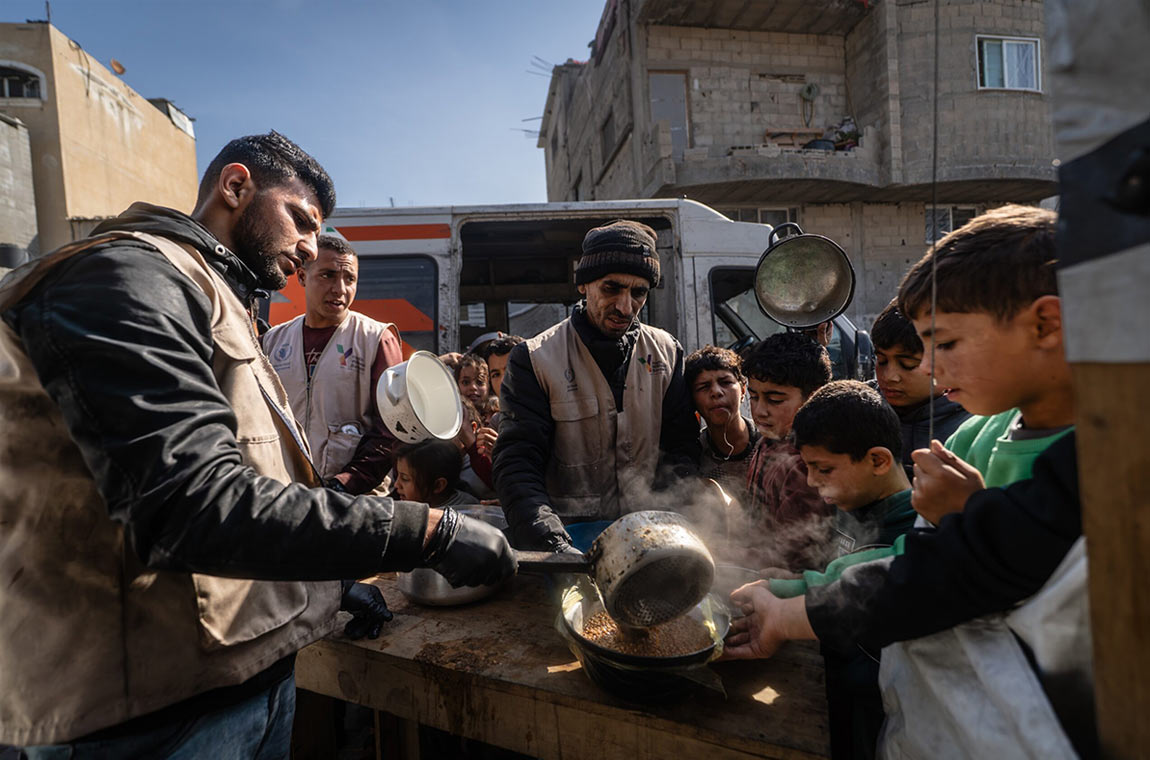
Expert Speak | 28 May, 2026
The Impacts of the Middle East Crisis on Food, Water, and Economic Security
The following excerpt is from Chapter 4 — Shifting Sands: A Middle East in Conflict and Transition.
The centrality of the Middle East to multiple global supply chains, apart from oil and gas, makes it difficult to localise and limit the impacts of the Israel-US and Iran conflict.[1] This article explores the longerterm impacts of the supply-chain upheavals and infrastructural damages caused by the crisis on food, water, and economic security in the region and beyond. By highlighting the ramifications across these three vectors, the authors underscore the conflict’s lasting impact on human security and the potential pathways for integrating systemic resilience against future turmoil.
Supply chains that involve the countries of the Middle East are likely to remain volatile in the short to medium term, even with a cessation of hostilities. Three considerations support this inference: first, the improbability that any truce would resolve the underlying drivers of the conflict; second, that de-escalation will not necessarily prevent Iran from pursuing covert or overt economic warfare through asymmetric means; and third, the unlikely rapid reversal of physical damage to infrastructure and production disruptions. Consequently, while the prospect of conflict resolution may offer marginal relief, a return to business-as-usual (BAU) remains implausible in the foreseeable future. Structural bottlenecks are likely to persist, resulting in substantial duress across three broad non-oil categories—food security, water security, and economic security.
Enduring Non-Oil Impacts
Economic Security
Supply chain disruptions and the threat of kinetic attacks on infrastructure and logistics have impacted three specific verticals of economic activity in the region and beyond.
First, shortages triggered by the disruptions to petrochemical derivatives have had a cascading impact on global industrial capacity.[2] Supply bottlenecks involving products such as naphtha, aluminium, sulphur, ethylene and helium affect industrial cracking, textile and polymer manufacturing, mineral processing and semiconductors.[3],[4], [5], [6], [7], These supply shortages can be expected to persist for a considerably long duration given production halts in plants like Ras Laffan.[8] The macroeconomic effects of the resultant production curtailments and gaps in production cycles could be significant. Inflationary pressures and revenue losses could lead to a recalibration of capital allocations and fiscal outlays. The potential relocation of production value chains could also directly impact industrial capacity and trade flows.
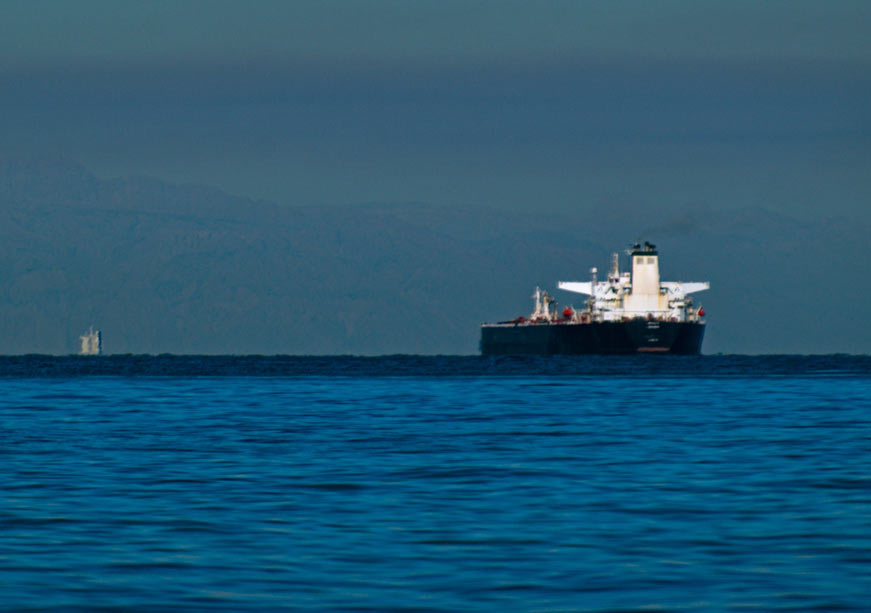
Second, sustained risks to maritime transport corridors are emerging as a major long-term fallout of the conflict. Beyond threats to freedom of navigation, countries and companies must contend with increased operational freight costs compounded by war risk insurance premiums, longer transit routes, and higher fuel costs. This volatility is most commonly reflected in elevated freight costs.[9],[10] Longer and costlier detours, worsened by container shortages, are exerting upward pressure on commodity prices while affecting vessel availability for transport and transit.[11] Consequently, maritime logistics are likely to face inflated surcharges in the short to medium term.[12] Global trade flows may increasingly be shaped not only by supply and demand dynamics, but also by the capacity of countries and companies to absorb higher shipping and logistics costs. Additionally, uncertainty surrounding the US blockade of the Strait of Hormuz and the scope and applicability of sanctions on Iran could further increase business costs, particularly through exposure to primary and secondary sanctions.
Third, although the physical damage has remained limited, attacks on the region’s aviation infrastructure have triggered some of the most tangible disruptions.[13] They have led to a significant reduction in air traffic and a comparably severe impact on air freight.[14],[15] Pressure on the sector has been compounded by reduced jet fuel availability. The limited ability to substitute jet fuel at scale prolongs the industry’s vulnerability to the broader supply chain crisis.[16] European and Asian aviation industries have faced particularly severe challenges in this regard.[17] War-risk premiums have also entered industry calculations and increased costs for airlines, which have in turn been passed on to consumers.[18] This could suppress demand and negatively affect the travel and tourism sectors.
Alongside losses to the energy sector, the reduction in demand is expected to weaken the region’s GDP outlooks.[19] This, in turn, would potentially affect both inflows into the region’s Sovereign Wealth Funds (SWFs) and their ability to channel capital into regional diversification agendas.
Food and Water Security
The prolonged blockade of the Strait of Hormuz has generated far-reaching and uneven consequences for the global food system. While countries in the Global North, such as the United States and Europe, remain comparatively insulated from fertiliser shocks, the crisis has severely exposed the food import dependencies and vulnerabilities of the Global South and the MENA region.
Iran, Qatar, Saudi Arabia, and Oman are among the leading nitrogenous fertiliser exporters, supplying 30-35 percent of global urea and 20-30 percent of ammonia.[20] In January 2026, some European suppliers acquired significant fertiliser stockpiles, providing buffer stocks to mitigate impacts, yet they also face high production costs inhibiting increased domestic fertiliser production.[21],[22] Likewise, many US farmers secured fertiliser for the growing season prior to the conflict, but this relief may be short-lived given the country’s lack of strategic fertiliser reserves.[23]
Conversely, countries heavily dependent on imports of urea, ammonia, and sulphur face dual pressures from rising fertiliser and fuel costs, impacting crop planting decisions, irrigation, and transport. India, for instance, imports 20-30 percent of its urea, 30 percent of its diammonium phosphate, and 50 percent of the LNG (to produce urea) from the Gulf region.[24] With the Kharif planting season approaching in June, the government is deploying subsidies and diversifying imports from Russia and Morocco and seeking new partnerships with Indonesia.[25] However, alternative exporters face their own restrictions. For example, as the second leading phosphorus fertiliser exporter, Morocco imports more than 48 percent of its sulphur from the Gulf.[26],[27] The coinciding rise in fertiliser and fuel prices may ultimately lower crop yields or trigger shifts away from fertiliser-intensive towards efficient crops or biofuel production.[28]
,[29] Even if the Strait of Hormuz were to reopen indefinitely, several important agricultural decisions have already passed, which will likely be reflected in higher future food prices.[30]
Any continuous deployment of short-term fertiliser subsidies to reduce farmer cost burdens may also risk long-term development delays.[31], [32] Resource-poor farmers, particularly those in sub- Saharan Africa with previously low yields, will experience the most pressure on future harvests and household food consumption. Subsidy expansions in these or conflict-ridden contexts may result in fiscal strain and reduced funding for rural development initiatives.
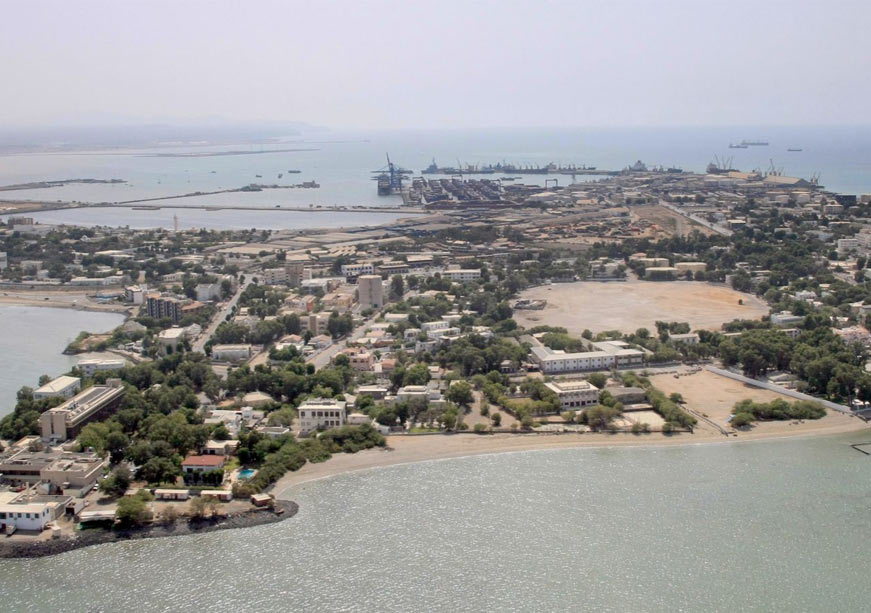
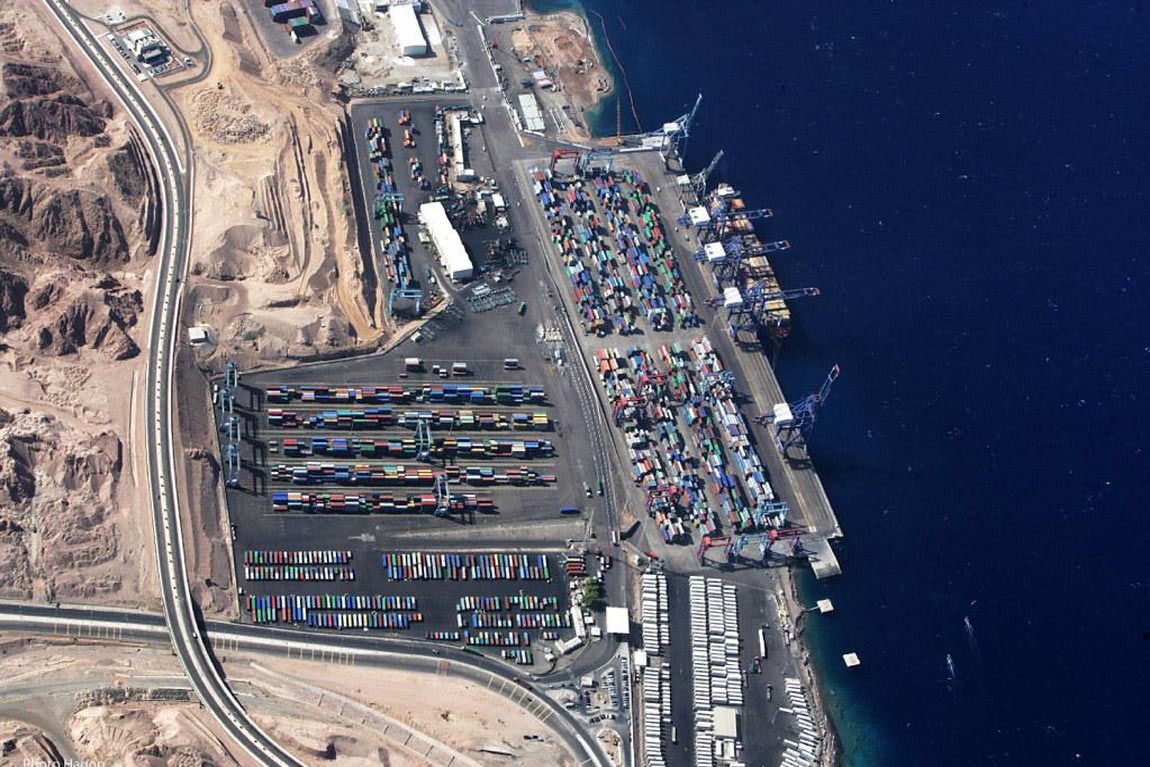
In MENA, import-dependent GCC states have insulated themselves from food shortages, while their neighbours face a protracted food crisis. Importing 72-89 percent of food, the crisis has exposed 100 percent food supply chokepoint exposure across all GCC states except Saudi Arabia, whose Red Sea access reduces its exposure to 59 percent.[33] GCC states are leveraging strategic grain reserves, financial capacities, and alternative logistical corridors through Oman’s Port of Duqm, Saudi Arabia’s Red Sea ports, and the UAE’s Fujairah port, yet these options remain structurally uneven and incapable of absorbing Hormuz trade capacity.[34], [35] Meanwhile, ongoing displacement, damaged logistics infrastructure, and food inflation layered on top of prior crises threaten regional food insecurity.[36]
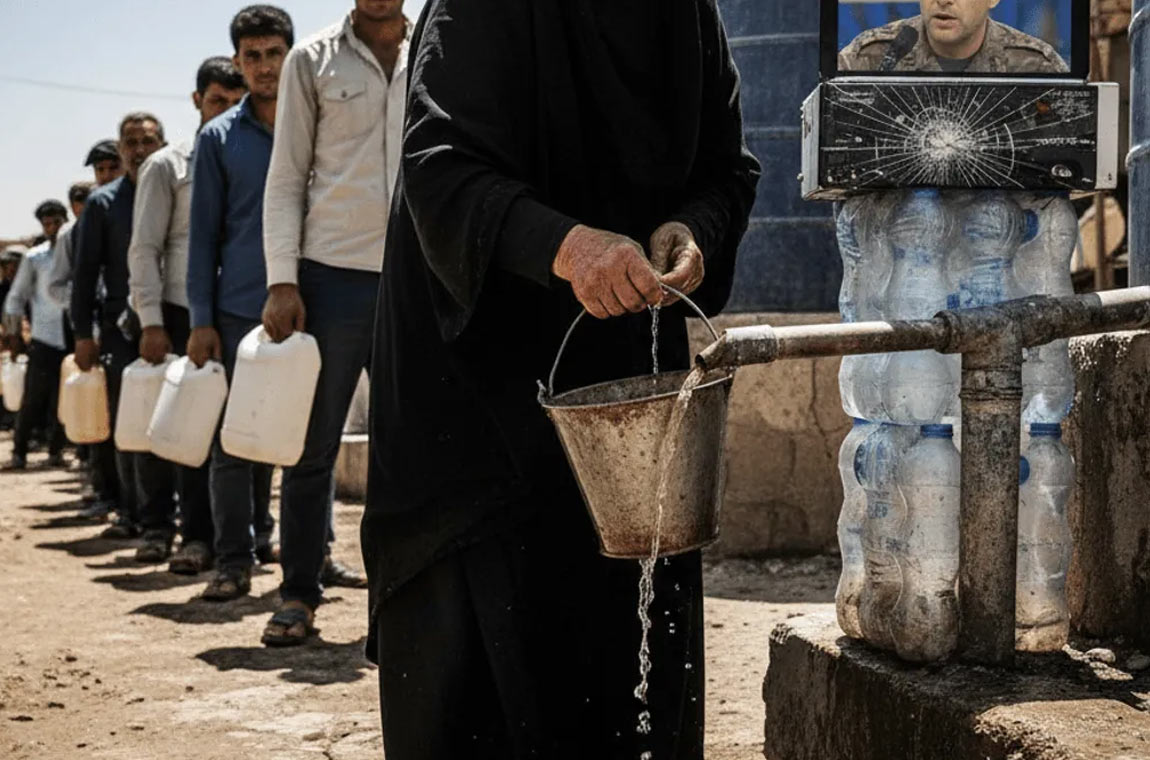
Threats to water infrastructure have elucidated new security considerations for water management and distribution. Water infrastructure has been attacked in Bahrain, Kuwait, Iran, and Lebanon, posing existential threats to Middle Eastern states.[37], [38], [39], [40], The Gulf Cooperation Council relies on seawater desalination for 18-61 percent of its total water supply.[41] Although Iran relies considerably less on desalination, the country nonetheless faces day-zero prospects due to compounding water pressures arising from systemic resource mismanagement.[42] Bombings throughout the region have resulted in toxic releases, contaminating agricultural zones and water supplies.[43] However, threats of groundwater contamination may be diluted by surface and deepwater currents but also depends on proximity to contaminants.[44]
Cumulative Impact on Human Security
The supply and access disruptions triggered by the conflict are likely to evolve from shortages into acute scarcity in the short to medium term. The resulting nexus of pressures on water, food, and economic security will cumulatively undermine human security indicators long after wartime operations cease. UN estimates suggest that nearly 32 million people could be pushed into poverty as a direct consequence of the crisis. Job and remittance losses arising from production stoppages in the region, alongside the broader impact of the conflict on the global economy, are expected to reduce household earnings and worsen food insecurity.[45], [46] Simultaneous inflationary pressures on essential commodities further accentuate this duress and aggravate global poverty levels. Rampant scarcity commonly leads to migration, which may in turn exert pressure on infrastructure not equipped to handle increased demand. Similarly, delays in commercial shipping have destabilised crucial agricultural timelines and compromised future crop yields, causing further economic hardships to marginalised populations that depend on agrarian earnings.
Attacks on civilian infrastructure have also exacerbated environmental stress across the region through increased carbon emissions while threatening to destabilise water and public health security. The potential fallback on coal and firewood due to the lack of adequate access to LPG sourced from the region can also be expected to have an impact on health security globally.
Notably, the conflict would lead to increased defence expenditures by countries. Any analysis of the long-term impact of this conflict would need to consider whether the reallocation of the funds required for expanded defence budgets infringes on spending on human development markers.
Forging Resilience
The volatility introduced into global supply chains is likely to outlast the duration of the conflict. Recovery will depend on regional and global governance efforts to build systemic resilience through several pathways.
Improving supply-chain resilience through the development of redundancies must become a policy prerogative. A shift from just-in-time to just-in-case models, in which governments invest in industrial inventories, alternative supply sources, and diversified trade routes, could serve as a pre-emptive safeguard. Economic diversification beyond hydrocarbon sectors must also become central to long-term resilience strategies. Furthermore, localising manufacturing and production across sectors could better insulate the region from future global supplychain disruptions.
Similarly, medium-term proposals for mechanisms to facilitate the transit of essential goods such as food and fertiliser, modelled on the Black Sea Grain Initiative, may alleviate global food security pressures, though they also risk creating uneven control over trade flows.[47], [48] With pivotal sowing windows approaching, maintaining open trade remains crucial. Longer-term measures could include bolstering regional fertiliser storage reserves and investing in alternative or inorganic fertiliser pathways.
In response to potential water disruptions, GCC countries have actively scaled wastewater reuse, bolstered strategic water storage reserves, and regulated water oversight.[49] Despite this progress, regional collaboration remains constrained by the logistical challenges of establishing an interregional water cooperation system and by concerns over national sovereignty. Although severe disruptions to water distribution have not yet materialised, growing discourse around the weaponisation of water to pressure governments into negotiations prompts the need for new safeguards in international law, revised warning systems, and protective measures accounting for kinetic water infrastructure attacks.[50] The 2026 UN Water Conference, co-hosted by Senegal and the UAE, may provide an opportunity to advance regional cooperation on these issues.
The lessons drawn from this conflict will shape the Middle East’s recovery trajectory and determine the region’s ability to prevent future disruptions of a similar scale. Investing in resilience across food, water, and economic security, while recalibrating traditional notions of defence preparedness, may prove to be the conflict’s most enduring lesson.
Cauvery Ganapathy is Fellow, Climate and Energy, ORF Middle East.
Leigh Mante is Junior Fellow, Climate and Energy, ORF Middle East.
Endnotes
[1] Cauvery Ganapathy, “Hormuz and the Export of Chaos into Global Supply Chains,” Observer Research Foundation Middle East, April 3, 2026, https://orfme. org/expert-speak/hormuz-and-the-export-of-chaos-intoglobal- supply-chains/.
[2] Pooja Menon and Pranav Mathur, “Iran War Chokes Petrochemical Supply, Sends Plastic Prices Soaring,” Reuters, March 26, 2026, https://www.reuters.com/ business/energy/iran-war-chokes-petrochemical-supplysends- plastic-prices-soaring-2026-03-26/.
[3] Byeongku Lee, JungWoo Lim, “Mideast Conflict Triggers Naphtha Shortage, Exposing Deeper Problems for South Korea,” DongA Science, April 13, 2026, https://www. dongascience.com/en/news/77366.
[4] Muflih Hidayat, “Middle East Tensions Trigger Global Aluminum Supply Crisis,” Discovery Alert, April 16, 2026, https://discoveryalert.com.au/instability-middleeast- impacting-aluminium-production-2026/.
[5] “Processing Under Pressure: Where the Iran War is Hitting Mining,” April 13, 2026, https://www.miningtechnology. com/analyst-comment/processing-underpressure- where-the-iran-war-is-hitting-mining/?cf-view.
[6] Anthony King, “Gulf Chemicals Supply Disruption Will Continue for Months to Years,” April 15, 2026, https:// www.chemistryworld.com/news/gulf-chemicals-supplydisruption- will-continue-for-months-to-years/4023296. article.
[7] Eduardo Baptista, “Helium Shortage has Started Impacting Tech Supply Chains, Execs Say,” March 26, 2026, https://www.reuters.com/world/asia-pacific/heliumshortage- has-started-impacting-tech-supply-chainsexecs- say-2026-03-26/.
[8] King, “Gulf Chemicals Supply Disruption Will Continue for Months to Years”.
[9] “The Iran War and International Shipping: Navigation Disruption and Legal Risk in the International Shipping and Logistics Industries,” BlankRome, March 26, 2026, https://www.blankrome.com/publications/iran-war-andinternational- shipping-navigating-disruption-and-legalrisk- international.
[10] Noor Zainab Hussain and Manya Saini, “Maritime Insurance Premiums Surge as Iran Conflict Widens,” Reuters, March 6, 2026, https://www.reuters.com/world/ middle-east/maritime-insurance-premiums-surge-iranconflict- widens-2026-03-06/.
[11] Shweta Jain and Fareed Rahman, “Strait of Hormuz Escalation Rattles Global Shipping with War Levies and Insurance Cover Cuts,” The National News, March 2, 2026, https://www.thenationalnews.com/business/ economy/2026/03/02/hormuz-iran-us-shipping-war/.
[12] Kelly Stroh, “How the Iran Conflict is Impacting Global Ocean Shipping Flows,” Supply Chain Drive, March 11, 2026, https://www.supplychaindive.com/news/ iran-conflict-global-ocean-shipping-flows-lars-jensentpm26/ 814250/.
[13] “Risks of Middle East Aviation Disruption Rise the Longer It Lasts,” Fitch Ratings, March 5, 2026, https:// www.fitchratings.com/research/corporate-finance/ risks-of-middle-east-aviation-disruption-rise-longer-itlasts- 05-03-2026.
[14] Theo Leggett, “Prepare for Turbulence – How a Prolonged Middle East Conflict Could Reshape How We Fly,” BBC, March 26, 2026, https://www.bbc.com/news/ articles/cn08x9lw0pzo.
[15] “Middle East Industry Disruptions,” Radiant, https:// resources.radiantdelivers.com/me-distruptions-26.
[16] IATA, “Middle East Conflict Exposes Jet Fuel Supply Vulnerabilities,” March 6, 2026, https://www.iata.org/en/ iata-repository/publications/economic-reports/middleeast- conflict-exposes-jet-fuel-supply-vulnerabilities/.
[17] Charles Kennedy, “Long-Haul Flight Fares Soar as Iran War Hits European Aviation Hard,” OilPrice, April 21, 2026, https://oilprice.com/Latest-Energy-News/World- News/Long-Haul-Flight-Fares-Soar-as-Iran-War-Hits- European-Aviation-Hard.html.
[18] Lockton, “Marine, Aviation War Risk Premiums Rise as Insurers Reassess Exposure Amid Iran War,” March 23, 2026, https://global.lockton.com/in/en/news-insights/ marine-aviation-war-risk-premiums-rise-as-insurersreassess- exposure-amid.
[19] Kyle Fitzgerald, “How the Iran War is Reshaping Gulf Economies, Unevenly,” The National, April 17, 2026, https://www.thenationalnews.com/business/econom y/2026/04/17/how-gulf-economies-fight-back-fromeffects- of-the-iran-war/.
[20] Food and Agriculture Organization of the United Nations, “Global Agrifood Implications of the 2025 Conflict in the Middle East,” March 15, 2026, https://openknowledge. fao.org/server/api/core/bitstreams/1aafb5d8-39d1-481ab1f8- 25facaec3051/content.
[21] Tony Connelly, “No Suspension of EU Carbon Taxes as Fertiliser Costs Rise,” RTE, March 30, 2026, https://www. rte.ie/news/europe/2026/0330/1565867-fertiliser-eu-tax/.
[22] Minh Khoi Le and Katie Keenan, “Beyond oil: Strait of Hormuz Power Struggle Threatens Fertilizer and Ammonia Trade,” RystadEnergy, March 30, 2026, https://www.rystadenergy.com/news/beyond-oil-straitof- hormuz-power-struggle-threatens-fertilizer-andammonia- trade.
[23] Goldman Sachs, “How the Conflict in the Strait of Hormuz Could Affect Global Agriculture Prices,” April 1, 2026, https://www.goldmansachs.com/insights/articles/ how-the-conflict-in-the-strait-of-hormuz-could-affectglobal- agriculture-prices.
[24] Ministry of Petroleum and Natural Gas, “Inter- Ministerial Briefing on Recent Developments in West Asia,” March 30, 2026, https://www.pib.gov. in/PressReleasePage.aspx?PRID=2246951®= 3&lang=1#:~:text=The%20Gulf%20region%20re mains%20a,key%20feedstock%20for%20urea%20pr oduction.
[25] Shoba Suri, “Impact of the Middle East Crisis on the Indian Agricultural Sector,” Observer Research Foundation, April 3, 2026, https://www.orfonline.org/ expert-speak/impact-of-the-middle-east-crisis-on-theindian- agricultural-sector.
[26] OECD, “Understanding the Resilience of Fertiliser Markets to Shocks,” OECD Food, Agriculture and Fisheries, June 2024, https://www.oecd.org/content/dam/ oecd/en/publications/reports/2024/06/understandingthe- resi l ience-of – fe r t i l iser-markets-to-shocks_ c8c4806f/43664170-en.pdf.
[27] Global Sovereign Advisory, “Hormuz Strait Closure: Risks for Africa’s Fertilizer and Food Supply,” March 15, 2026, https://www.globalsov.com/wp-content/ uploads/2026/03/26.03.15-Ormuz-Strait-closureconsequences- on-Africas-fertilizer-and-food-imports- GSA.pdf.
[28] Goldman Sachs, “How the Conflict in the Strait of Hormuz Could Affect Global Agriculture Prices”.
[29] Food and Agriculture Organization of the United Nations, “Global Agrifood Implications of the 2026 Conflict in the Middle East”.
[30] United Nations, “Strait of Hormuz: With Hunger Looming, Life-Saving Fertilizer Shipments Cannot Wait, Head of UN Task Force Says, April 21, 2026, https://news. un.org/en/interview/2026/04/1167351.
[31] Shruti Jain and Leigh Mante, “Rethinking Resilient Food Systems: Mitigating Food Supply Chain Shocks in the MENA Region,” ORF Occasional Paper No. 532, Observer Research Foundation, March 2026.
[32] Food and Agriculture Organization of the United Nations, “Agrifood Policy Highlights,” April 9, 2026, https://www.fao.org/agrifood-economics/news/newsdetail/ fr/c/1758248/.
[33] Food and Agriculture Organization of the United Nations, “GCC Food and Agriculture Policy Flash,” April 2026.
[34] Rumaitha Al Busaidi and Sarah Mostafa-Kamel, “Gulf Nation Ports Deliver Water, Energy and Food. What Happens When They Close?,” March 20, 2026, https:// www.weforum.org/stories/2026/03/gulf-nation-portswater- energy-food/.
[35] Ishan Bhanu, “Grain Imports Disrupted Across the Middle East Gulf,” Kpler, March 6, 2026, https://www. kpler.com/blog/grain-imports-disrupted-across-themiddle- east-gulf.
[36] World Food Programme, “Why the Middle East Conflict Threatens Record Levels of Hunger,” March 19, 2026, https://www.wfp.org/stories/why-middle-east-conflictthreatens- record-levels-hunger.
[37] “Bahrain Says Water Desalination Plant Damaged in Iranian Drone Attack,” Al Jazeera, March 8, 2026, https:// www.aljazeera.com/news/2026/3/8/bahrain-says-waterdesalination- plant-damaged-in-iranian-drone-attack.
[38] “Iranian Attack Damages Kuwait Power and Desalination Plant, Kills Worker,” Al Jazeera, March 30, 2026, https:// www.aljazeera.com/news/2026/3/30/iranian-attackdamages- kuwait-power-and-desalination-plant-killsworker.
[39] Vivian Nereim, “Vital Desalination Plants in Iran and Bahrain are Attacked,” New York Times, March 8, 2026, https://www.nytimes.com/2026/03/08/world/middleeast/ desalination-plants-iran-bahrain.html.
[40] Justin Salhani, “How Israel is Destroying Lebanon’s Water Infrastructure,” AlJazeera, April 22, 2026, https:// www.aljazeera.com/features/2026/4/22/how-israel-isdestroying- lebanons-water-infrastructure.
[41১] Mohamed A. Hussein, “How Much of the Gulf ’s Water Comes from Desalination Plants?,” March 12, 2026, https://www.aljazeera.com/news/2026/3/12/how-much-ofthe- gulfs-water-comes-from-desalination-plants.
[42] Ali Harb, “Trump Threatens to ‘Blow Up’ Desalination Plants In Iran If No Deal Reached,” AlJazeera, March 30, 2026, https://www.aljazeera.com/news/2026/3/30/trumpthreatens- to-blow-up-all-desalination-plants-in-iran.
[43] Houraa Daher, “Climate Change: The Silent Casualty of War,” Observer Research Foundation Middle East, April 14, 2026, https://orfme.org/expert-speak/climate-changethe- silent-casualty-of-war/.
[44] UNU INWEH and ORF Middle East, “Reverberating Effects for Food Fertiliser, Food and Water Security in Times of Conflict,” https://e01dadfd-927b-4bc8- 9d9b-316a4d18092a.filesusr.com/ugd/00bc20_ c985acb278b242e999104e38f5560278.pdf.
[45] UNDP, “Escalation in the Middle East Reverses More Than a Year of Economic Growth in the Arab States Region, According to the UN Development Programme Assessment,” March 31, 2026, https://www.undp. org/arab-states/press-releases/escalation-middle-eastreverses- more-year-economic-growth-arab-states-regionaccording- new-un-development-programme.
[46] Shruti Jain and Leigh Mante, “Hidden Costs of USIsrael- Iran Conflict,” March 18, 2026, https://www. hindustantimes.com/ht-insight/international-affairs/ hidden-costs-of-us-israel-iran-conflict-101773819353650. html.
[47] United Nations, “Strait of Hormuz: With Hunger Looming, life-saving Fertilizer Shipments Cannot Wait, Head of UN Task Force Says,” April 21, 2026, https:// news.un.org/en/interview/2026/04/1167351.
[48] United Nations, “Black Sea Grain Initiative Joint Coordination Centre,” https://www.un.org/en/black-seagrain- initiative.
[49] Food and Agriculture Organization of the United Nations, “Food and Agriculture Policy Flash”.
[50] Harb, “Trump Threatens to ‘Blow Up’ Desalination Plants In Iran If No Deal Reached”.