 Global
Expert Speak | 11 August, 2026
Ten Fault Lines That Will Define the Global Energy Transition
The following excerpt is from Chapter 2 — ORF Global Quarterly | Energy and Tech: Powering the Future.
Global energy and climate policy is entering a period of deepening divergence. The world is not abandoning the energy transition, but countries increasingly disagree on what the transition should prioritise, how fast it should move, who should pay, and who should benefit from the new energy economy. What is emerging is not a singular global transition, but several of them, across various and overlapping domains: security, industry, finance, minerals, digitalisation, and resilience-building. These transitions are progressing at different speeds across regions and are creating new fault lines between advanced economies, emerging markets, fossil fuel exporters, mineral-rich countries, climate-vulnerable states, and technology powers.
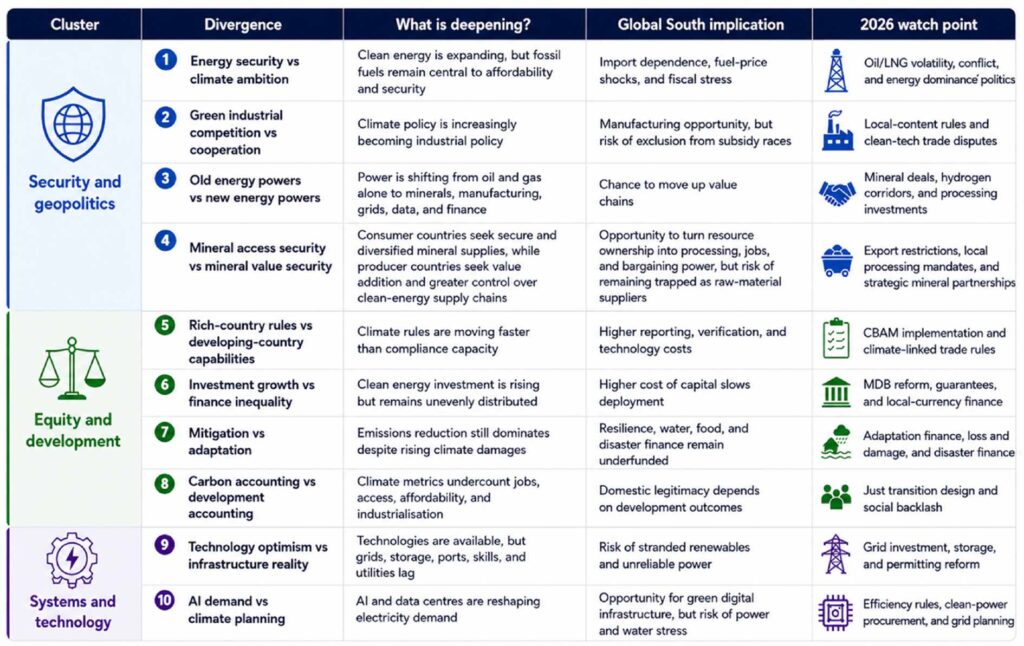
These divergences can be understood through three analytical lenses: security and geopolitics; equity and development; and systems and technology (see Figure 1). How these divergences are managed will determine not whether the energy transition advances, but at what pace, on what terms, and for whose benefit. For the Global South, the stakes are particularly high: the transition could unlock industrialisation, resilience, and strategic bargaining power, but it could also reproduce older patterns of dependency through new technologies, standards, minerals, and financial asymmetries.
Figure 1: Global Energy Transition Tensions and Implications for the Global South
Source: Author’s own analysis. Image generated through multiple prompts on ChatGPT 5.5.
Security and Geopolitics
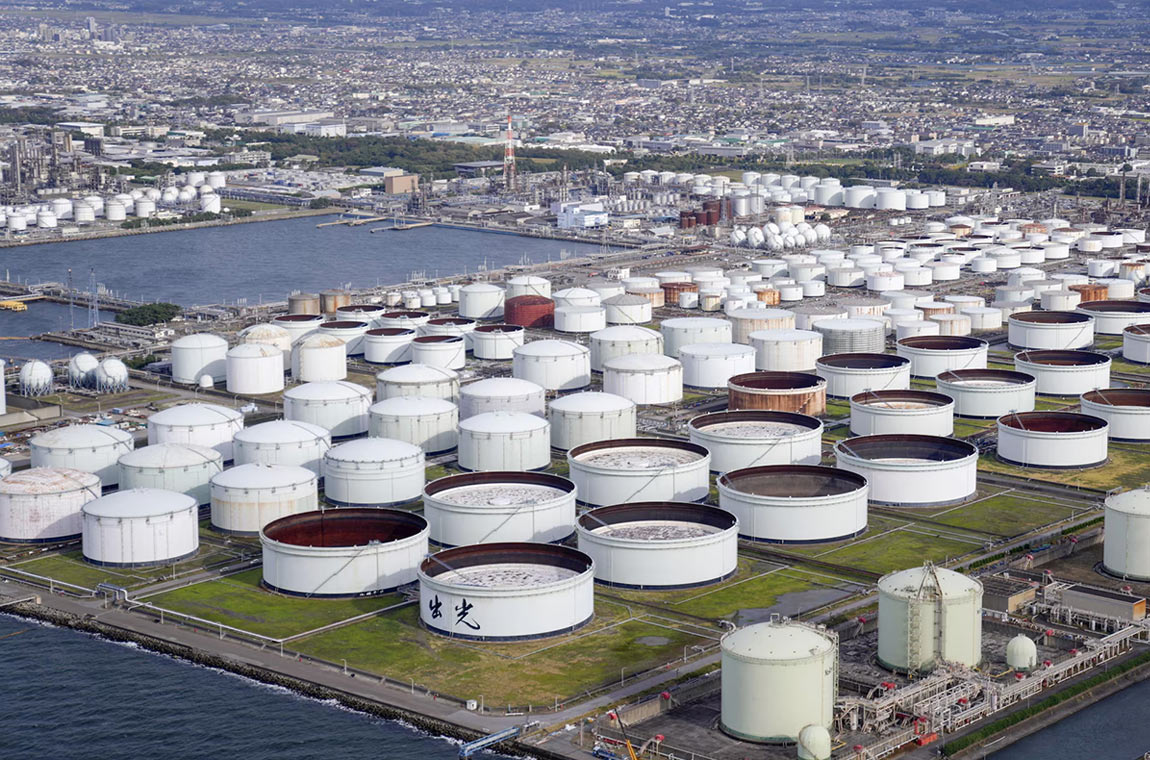
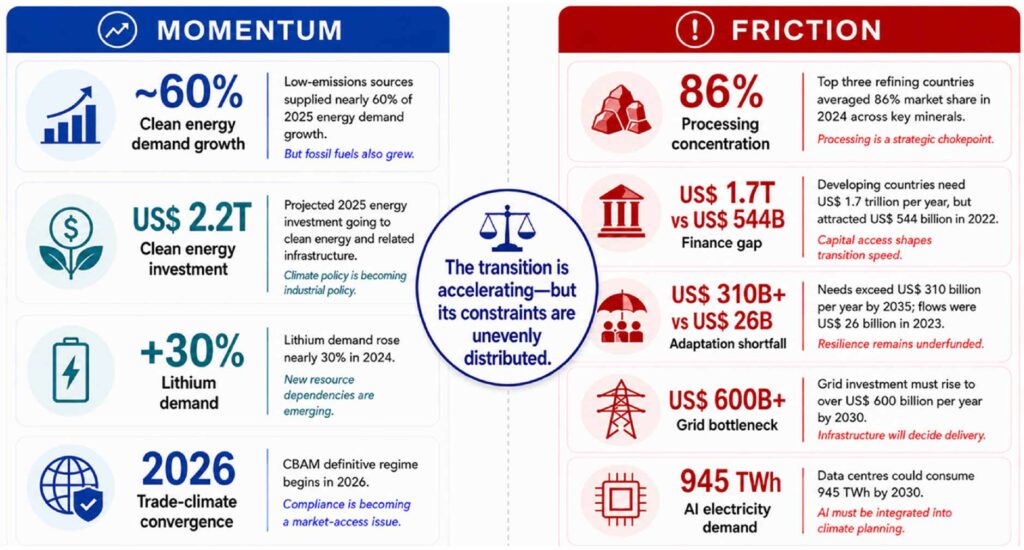
The first divergence is between energy security and climate ambition. Since the COVID-19 pandemic, Russia’s invasion of Ukraine, and disruptions across the Middle East and Red Sea region, energy security has moved from a policy concern to a strategic organising principle. Governments are no longer speaking only about decarbonisation, but are also focusing on energy sovereignty, strategic reserves, domestic production, supply chain resilience, and energy dominance. This has created a more complicated transition landscape: clean energy is expanding rapidly, but fossil fuels remain deeply embedded in the global system. In 2025, low emissions sources supplied nearly 60 percent of global energy demand growth, with solar photovoltaic alone providing more than one fourth of that increase.[1] Yet the demand for oil, gas, and coal that year did not fall, and instead increased. For the Global South, this divergence is immediate and practical: energy security means affordable fuel, reliable electricity, fertiliser supply, industrial power, and protection from imported inflation.[2] A sudden increase in oil or gas prices can quickly become a balance-of-payments crisis, a food-price shock, or a fiscal burden.
Many developing countries, therefore, face a difficult balancing act: accelerating clean energy deployment without triggering a disorderly exit from fossil fuels before affordable and reliable alternatives become available at scale.
A second divergence is between green industrial competition and global cooperation. The 2010s were shaped by climate diplomacy and falling clean-technology costs, while the 2020s are increasingly being framed by green industrial strategy. The United States’ (US) Inflation Reduction Act, the European Union’s (EU) Green Deal Industrial Plan, China’s cleantech manufacturing scale, India’s productionlinked incentives, Japan’s and South Korea’s hydrogen and industrial decarbonisation strategies, and Gulf investments in hydrogen and low-carbon fuels all reflect this shift. Climate policy is no longer only environmental policy; it has become industrial policy.[3]
For the Global South, this creates both opportunity and risk. Supply-chain diversification could help certain economies attract investment in solar manufacturing, battery components, critical minerals processing, green hydrogen, low-carbon steel, and clean industrial clusters. However, green industrial policy could also become a subsidy race that poorer countries cannot join. Advanced economies can mobilise large fiscal packages and cheap capital, while many developing countries face debt stress, higher borrowing costs, and limited fiscal space.[4] Unless green industrial strategies are linked to technology partnerships, concessional finance, and market access, they may deepen global inequality even as they accelerate decarbonisation.
The third divergence is between old and new energy powers. The 20th-century energy order was built around oil and gas reserves, pipelines, shipping routes, refineries, and major consuming markets. The emerging energy order is more fragmented and multi-dimensional.[5] Power is no longer determined only by who controls fuels, but also by who are on top of cleantechnology manufacturing, grid equipment, battery supply chains, nuclear technologies, hydrogen corridors, electricity markets, finance, standards, and digital infrastructure. This shift is changing the geography of energy influence.[6] Countries with large domestic markets, strong manufacturing ecosystems, abundant renewable resources, strategic capital, or control over key technologies are becoming more important in shaping the next phase of the transition.
For the Global South, this creates a wider strategic opening than the fossil-fuel era allowed. Demand-rich economies can use their market size to attract manufacturing and investment; renewable-rich economies can become exporters of green molecules or clean industrial products; and technologically ambitious economies can build capabilities in grids, storage, digital energy, and clean manufacturing. This opportunity, however, will depend on whether countries can move from being passive adopters of technology to active shapers of standards, markets, infrastructure, and value chains.
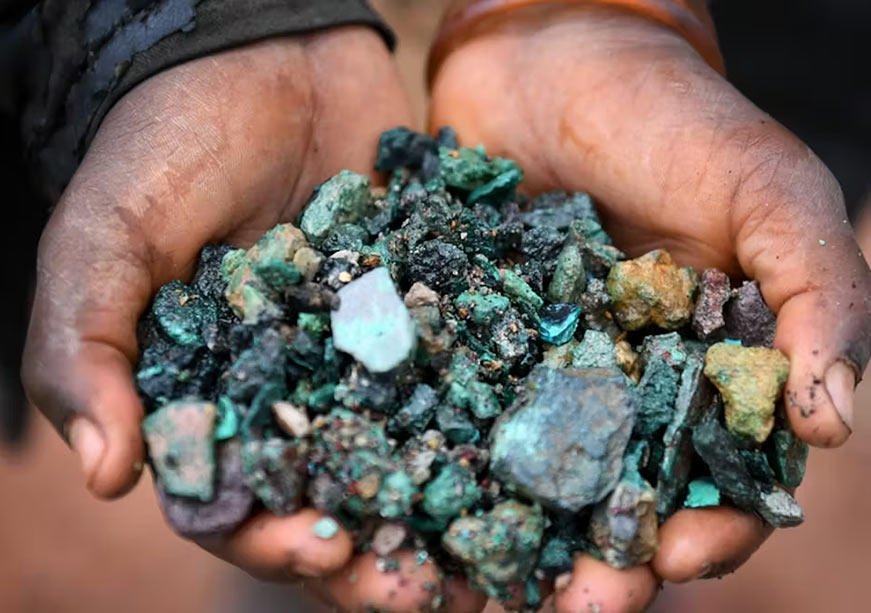
The fourth divergence is between mineral access security and mineral value security. While mineral access security refers to the ability of consuming countries to secure reliable and diversified supplies of critical minerals, mineral value security refers to the ability of producer countries to capture more economic, industrial, and strategic value from those minerals at home. This is a narrower but increasingly consequential fault line within the new energy order. Advanced economies increasingly define mineral security as access to lithium, cobalt, nickel, graphite, copper, manganese, and rare earths for batteries, electric vehicles, grids, and clean manufacturing. Producer countries, however, are beginning to define their own security differently: not merely as exporting raw materials, but as securing domestic value addition, processing capacity, jobs, infrastructure, environmental safeguards, and greater control over clean-energy supply chains.[7]
This contest is becoming more consequential as mineral demand accelerates: lithium demand rose by nearly 30 percent in 2024, while demand for nickel, cobalt, graphite, and rare earths rose by 6–8 percent, underscoring how quickly minerals are becoming strategic assets.[8] For countries such as Indonesia, the Democratic Republic of Congo, Zambia, Chile, Argentina, Namibia, and South Africa, this could become a historic bargaining opportunity. However, this will require stronger institutions, financing, processing capacity, and negotiating power; otherwise, they risk remaining trapped in a cleaner version of the old extractive economy, where the resources are local but the value is captured elsewhere.
Equity and Development
The first divergence in this cluster is between rich-country climate rules and developingcountry capabilities. The Paris Agreement created a universal climate framework, but implementation is increasingly being shaped by domestic and regional instruments such as carbon pricing, climate disclosure rules, green product standards, sustainable finance taxonomies, deforestation regulations, and carbon border measures. The EU’s Carbon Border Adjustment Mechanism (CBAM), which entered its definitive regime in 2026 after a transitional phase from 2023 to 2025, is the clearest example of this shift.[9] For Europe, the CBAM is a climate-integrity tool designed to address carbon leakage.[10] For many developing countries, however, it is also a test of capacity. Exporters now need product-level emissions data, verification systems, cleaner production technologies, administrative readiness, and access to low-carbon energy.[11] The divergence is therefore increasingly about the gap between the pace at which climate-linked market rules are being introduced and the capacity of developing-country firms and institutions to meet these regulations. Well-designed climate trade partnerships could help upgrade industries and create new export opportunities, but rules introduced unilaterally, without adequate consultation, transition periods, or support for compliance, could become market-access barriers for firms and countries that lack finance, technology, and standards infrastructure.
The second divergence is between rising clean-energy investment and unequal access to finance. Global energy investment is projected at around US$3.3 trillion in 2025, with cleanenergy technologies and infrastructure attracting roughly twice as much capital as fossil fuels.[12] Yet this investment boom remains unevenly distributed. Many developing countries have abundant renewable resources and fast-growing energy demand, but they face higher borrowing costs, currency risks, sovereign debt pressures, weak utilities, and limited fiscal space.[13]
Developing countries need around US$1.7 trillion annually in renewable energy investment—including grids, storage, and efficiency—but attracted only US$544 billion in 2022, and more recent International Energy Agency (IEA) data suggest that emerging markets and developing economies outside China are still receiving only a small fraction of global clean energy spending.[14] This makes finance one of the deepest structural divides in the global transition. The technology may be increasingly affordable, but the delivered cost of clean energy is shaped by the price of capital. For the Global South, the question is not only how to attract more investment, but how to secure concessional finance, guarantees, local currency lending, and risk-sharing instruments that can turn renewable potential into bankable projects.
The third divergence is between priorities for mitigation and those for adaptation and resilience. Global climate policy has historically focused on emissions reduction because mitigation is measurable and directly linked to temperature goals. However, for climatevulnerable countries, adaptation is not a secondary agenda; it is a pressing development necessity. Floods, heat stress, cyclones, drought, water insecurity, crop losses, and sea-level rise are already imposing costs on infrastructure, public budgets, food systems, and livelihoods.
The UN Environment Programme estimates that developing countries will need some US$310 billion per year for adaptation by 2035 based on modelled costs, while international public adaptation finance flows were only US$26 billion in 2023.[15] This means adaptation finance needs are roughly 12 to 14 times larger than current flows. The divergence is therefore between a global climate agenda still dominated by future emissions reductions and the immediate resilience needs of countries already facing climate impacts. For the Global South, climate policy cannot be limited to only renewables, electric vehicles, hydrogen, and carbon markets; it must also include resilient infrastructure, cooling, early-warning systems, water security, disaster finance, climate-resilient agriculture, and insurance.
The fourth divergence is between carbon accounting and development accounting. Global climate governance measures progress through emissions reductions, carbon intensity, carbon prices, net-zero dates, and Scope 1, 2, and 3 emissions.[16] These tools are necessary, but they do not fully capture what matters politically in many developing countries: jobs, energy access, affordability, industrialisation, export competitiveness, and resilience. A coal phasedown may look efficient in a carbon model, but it may be difficult in a region dependent on coal jobs, railway revenues, local industry, and state finances. A carbon price may improve efficiency, but without redistribution it can raise costs for poor households and small firms.[17] For developing countries, the central question is not simply how much carbon is reduced, but who pays, who benefits, who gets jobs, who owns technology, and who becomes more resilient. Climate policy will gain legitimacy in the Global South only if it moves beyond carbon reduction alone and is visibly connected to development outcomes, industrial upgrading, affordability, and public investment.
Systems and Technology
The first divergence in this category is between technology optimism and infrastructure reality. The global energy transition is increasingly framed around the rapid scaling of solar, wind, batteries, green hydrogen, carbon capture, nuclear, digitalisation, and advanced grid technologies. Yet the bottlenecks are no longer only technological; they are increasingly infrastructural and institutional.[18] Clean technologies may be available and increasingly cost-competitive, but their deployment depends on transmission lines, distribution networks, power transformers, storage, ports, land, permitting systems, skilled workers, financially viable utilities, and regulatory capacity. Electricity demand grew by nearly 3 percent in 2025, more than twice the rate of overall energy demand, reflecting the growing importance of electrification.[19] Yet electricity systems are not expanding at the same pace everywhere. For many Global South countries, the challenge is especially complex because they are trying to expand access, improve reliability, reduce distribution losses, integrate renewables, and electrify transport and industry simultaneously. The opportunity is significant: countries that invest early in grids, storage, digital system operations, and regional power trade can leapfrog to cleaner and more resilient electricity systems. But where infrastructure lags, renewable ambition can quickly turn into stranded capacity, curtailment, unreliable supply, and slower industrial growth.
The second divergence is between artificial intelligence (AI)-driven electricity demand and existing climate planning. For years, digitalisation was treated mainly as a climate and energy-efficiency tool through smart meters, digital twins, forecasting, demand management, and grid optimisation. That remains true, but the rapid growth of AI and data centres is changing the outlook for electricity demand. The IEA projects that global data-centre electricity consumption could more than double to around 945 TWh by 2030, slightly more than Japan’s current electricity consumption, with AI as a major driver of this growth.[20] This creates a new planning challenge: digital infrastructure is essential for modern economies, but it also requires reliable power, cooling, water, land, and grid capacity.[21]
For the Global South, this divergence presents both a strategic opportunity and a resource-management risk. Countries with abundant renewables, available land, improving grids, and strong digital connectivity could attract green data infrastructure and build new economic capabilities. But if the growth of data centres is poorly planned, it could compete with households, public services, agriculture, and industry for scarce electricity and water. In 2026, the key question will be whether AI infrastructure is integrated into national energy planning through efficiency standards, cleanpower procurement, co-located renewables, grid investment, water-use safeguards, and demandresponse requirements.
Figure 2: The Global Energy Transition in 2026: Momentum vs. Friction
Source: Author’s own analysis. Image generated through multiple prompts on ChatGPT 5.5.
Conclusion1
The divergences discussed in this article suggest that the primary challenge in 2026 will not be whether the energy transition continues. The deeper question is whether it becomes more cooperative, equitable, and systemically planned, or whether it fragments into competing national strategies, contested trade rules, unequal financing conditions, and new forms of resource dependency. For the Global South, the stakes are especially high. The transition could unlock industrialisation, jobs, greater resilience, and new strategic bargaining power. It could also, if poorly designed, reproduce old patterns of dependency through new technologies, new minerals, new standards, and new financial asymmetries.
The task ahead is not to force a single global transition, but to build enough convergence across unequal transitions that security, climate ambition, industrial strategy, and development no longer pull in opposite directions.
Piyush Verma is Senior Fellow, Energy and Climate Programme, ORF America.
Endnotes
[1] International Energy Agency, “Global Energy Review 2026,” April 20, 2026, https://www.iea.org/reports/globalenergy- review-2026/key-findings.
[2] Piyush Verma, “Smaller South Asian States Pay the Price for Hormuz Closure,” ORF America, June 3, 2026, https://orfamerica.org/orf-america-comments/smaller-south-asian-states-pay-the-price-for-hormuz-closure.
[3] Nikos Tsafos, “How the Energy Transition Will Rewire the World,” Center for Strategic & International Studies, May 12, 2022, https://www.csis.org/analysis/how-energy-transition-will-rewire-world.
[4] Medha Prasanna, Caroline Arkalji, and Hansika Nath, “IBSA+Indonesia Energy Transitions: Mapping Shared Ambitions and Challenges,” ORF America, July 20, 2025, https://orfamerica.org/newresearch/ibsa-indonesia-energy-transitionsshared- ambitions-and-challenges.
[5] Andreas Goldthau, Martin Keim, and Kirsten Westphal, “The Geopolitics of Energy Transformation: Governing the Shift: Transformation Dividends, Systemic Risks and New Uncertainties,” SWP, 2018, https://www.ssoar.info/ssoar/ handle/document/60135.
[6] Jorge Arbache, “The Role of Trade in Global Energy Transition,” CEBRI, November 6, 2025, https://cebri.org/en/ doc/400/the-role-of-trade-in-the-global-energy-transition.
[7] International Energy Agency, “The Role of Critical Minerals in Clean Energy Transitions,” May 5, 2021, https://www. iea.org/reports/the-role-of-critical-minerals-in-clean-energy-transitions; United Nations Trade & Development, “Critical Minerals, Critical Decisions: Industrial Policy for the Energy Transition,” United Nations Trade & Development, March 9, 2026, https://unctad.org/publication/critical-minerals-critical-decisions-industrial-policy-energy-transition.
[8] International Energy Agency, “Global Critical Minerals Outlook 2025,” May 21, 2025, https://www.iea.org/reports/ global-critical-minerals-outlook-2025.
[9] European Commission, “Carbon Border Adjustment Mechanism,” https://taxation-customs.ec.europa.eu/carbonborder- adjustment-mechanism_en.
[10] Antoine Dechezleprêtre, and Antton Haramboure, “EU Carbon Border Adjustment Mechanism: What Is It, How Does it Work and What Are the Effects?,” OECD, March 21, 2025, https://www.oecd.org/en/blogs/2025/03/eu-carbonborder- adjustment-mechanism-what-is-it-how-does-it-work-and-what-are-the-effects.html.
[11] Simona Sagone and Maurizio Cellura, “The Carbon Border Adjustment Mechanism from Developing Countries’ Perspective: A Systematic Literature Review on Challenges and Opportunities for the Mediterranean Basin,” Energy Strategy Reviews, November 2025, https://www.sciencedirect.com/science/article/pii/S2211467X25002470; Bruce Byiers and Alfonso Medinilla, “The EU’s Carbon Border Adjustment Mechanism and Developing Countries: Threats, Opportunities and Strategic Responses,” European Centre for Development Policy Management, November 2024, https://ecdpm.org/application/files/4817/3210/5775/EU-Carbon-Border-Adjustment-Mechanism-Developing- Countries-Threats-Opportunities-Strategic-Responses-ECDPM-Discussion-Paper-380-2024.pdf.
[12] International Energy Agency, “World Energy Investment 2025,” June 5, 2025, https://www.iea.org/reports/worldenergy- investment-2025.
[13] International Monetary Fund, “Debt Vulnerabilities and Financing Challenges in Emerging Markets and Developing Economies—An Overview of Key Data Strategy, Policy, & Review Department,” Strategy, Policy, & Review Department, February 20, 2025, https://www.elibrary.imf.org/view/journals/007/2025/002/article-A001-en.xml.
[14] United Nations Trade & Development, “UNCTAD Calls for Urgent Support to Developing Countries to Attract Massive Investment in Clean Energy,” United Nations Trade & Development, July 5, 2023, https://unctad.org/news/unctadcalls- urgent-support-developing-countries-attract-massive-investment-clean-energy; International Energy Agency, “World Energy Investment 2025,” June 11, 2025, https://unfccc.int/sites/default/files/resource/Cecilia%20Tam_Updated.pdf.
[15] United Nations Environment Programme, Adaptation Gap Report 2025, October 29, 2025, https://www.unep.org/ resources/adaptation-gap-report-2025.
[16] Scope 1 emissions are direct emissions from owned or controlled sources; Scope 2 emissions are indirect emissions from purchased electricity, steam, heating, or cooling; and Scope 3 emissions are other indirect emissions across a company’s value chain.
[17] International Monetary Fund, “World Economic Outlook, October 2020 A Long and Difficult Ascent,” October 13, 2020, https://www.elibrary.imf.org/display/book/9781513556055/ch03.xml.
[18] International Energy Agency, “Electricity Grids and Secure Energy Transitions,” October 17, 2023, https://iea.blob. core.windows.net/assets/ea2ff609-8180-4312-8de9-494bcf21696d/ElectricityGridsandSecureEnergyTransitions.pdf.
[19] International Energy Agency, “Global Energy Review 2026.”
[20] International Energy Agency, “Energy and AI,” April 10, 2025, https://www.iea.org/reports/energy-and-ai.
[21] Medha Prasanna, “Why the Hyperscale Data Center Boom Requires U.S.-India Collaboration,” ORF America, October 6, 2025, https://orfamerica.org/orf-america-comments/hyperscale-data-center-boom-us-india-cooperation.