 Global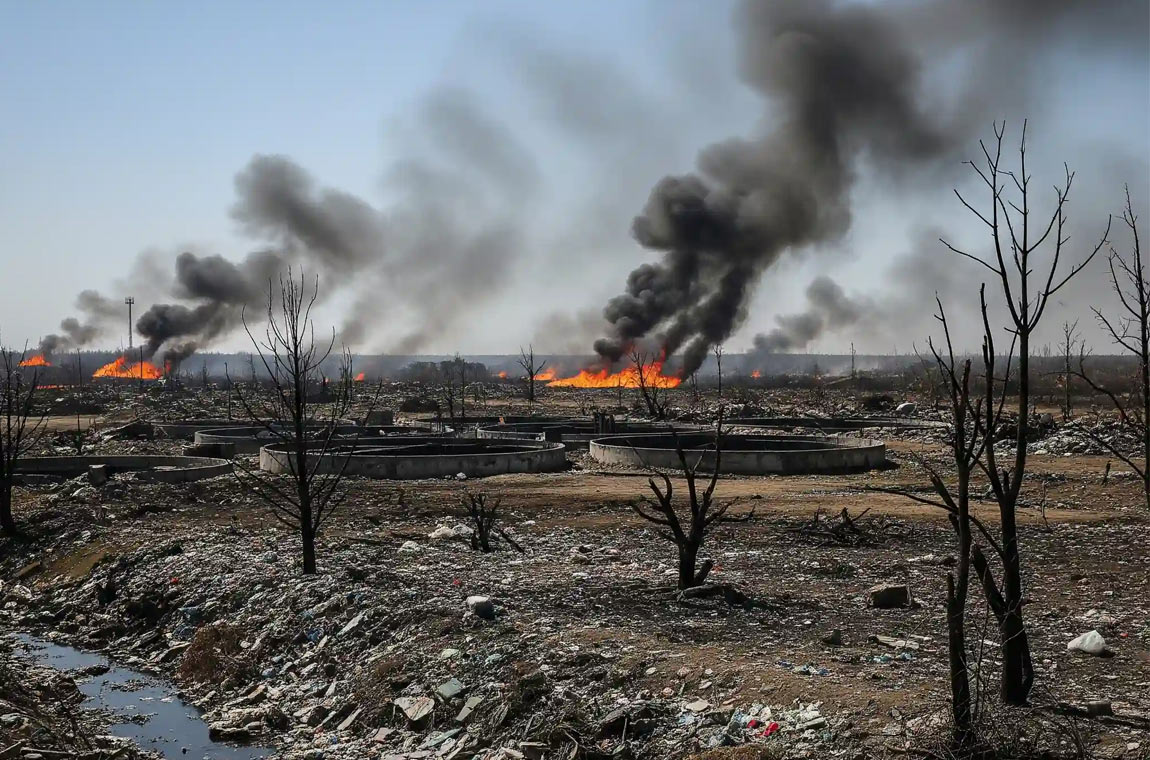
Expert Speak | 14 April, 2026
Climate Change: The Silent Casualty of War
Spotlight
- The US-Israel-Iran War has emitted large greenhouse gas emissions into the atmosphere, setting the scene for accelerated climate change impacts in the Middle East going into the future.
- The use of military equipment and strikes on oil facilities and other infrastructure in the region has resulted in dire environmental, agricultural, and public health consequences. Land fertility, water safety, air quality, and food security have all been threatened throughout the duration of this war.
- The closure of the Strait of Hormuz has led to an energy crisis with the price of oil exceeding US$100 per barrel. Additionally, with Middle East airspace essentially a no-fly zone, aviation and shipping reroutes are expected to increase emissions, as well as travel times and fuel consumption.
The Climate Cost of War
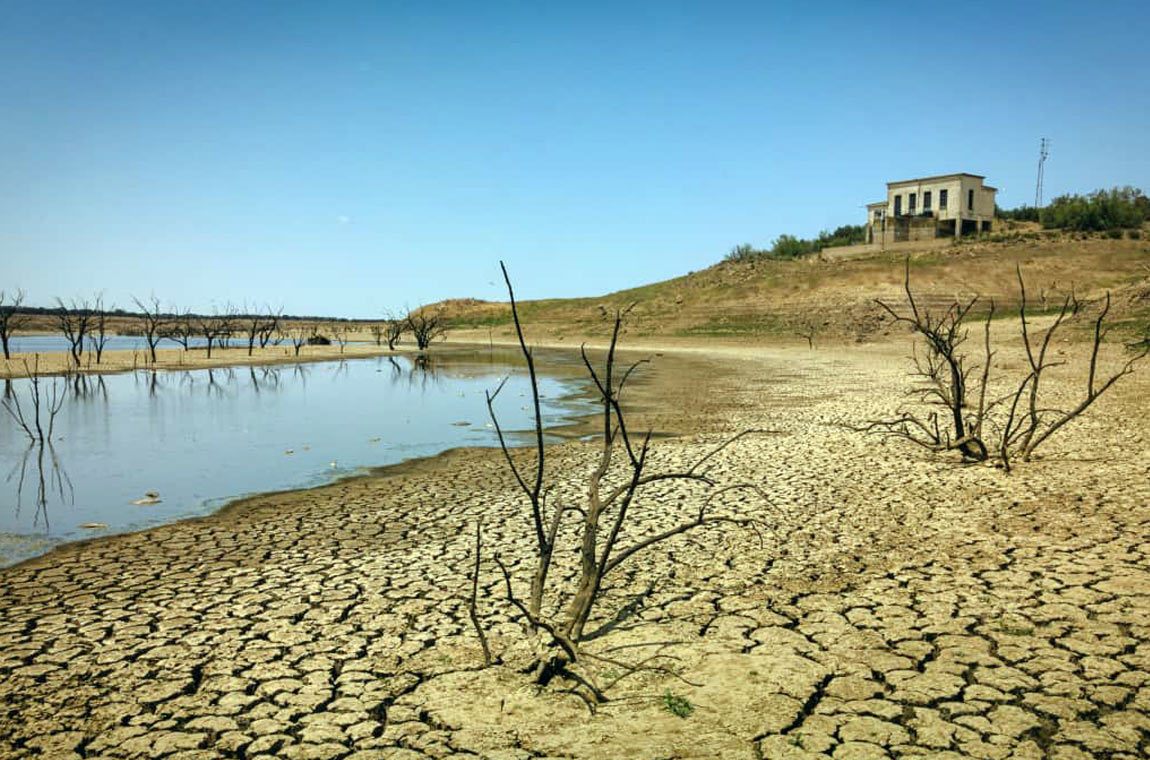
Human lives lost, massive destruction, and economic collapse are all well-documented consequences of war. Climate change by contrast, unfolds over longer timescales and its impact not immediately visible, is often overlooked during global conflicts. Thus, making it the silent casualty of war. Greenhouse gas emissions due to war, combined with anthropogenic climate change in the Middle East; a region that undergoes warming at a rate faster than the rest of the world, has proven to have dire consequences. The Middle East is expected to experience extreme climate events (including droughts and heatwaves), ecological degradation, public health challenges, and a large refugee and displacement crisis as a result of climate change.
If the world’s military were considered collectively as a single country, they would have the fourth-largest carbon footprint, behind China, the United States (US), and India.
In 2019, the world’s militaries were responsible for 5.5 percent of global greenhouse gas emissions, with the US military identified as the largest contributor. If the world’s military were considered collectively as a single country, they would have the fourth-largest carbon footprint, behind China, the United States (US), and India. It is worth noting, however, that this data carries substantial uncertainty, and actual emissions may be higher as no country is required to report the emissions from their military activity. These emissions are expected to rise as military spending increases, with estimates suggesting that every US$100 billion increase in spending generates roughly 32 million tons of carbon dioxide equivalent (tCO2e). Globally, military spending has increased from US$1.9 trillion in 2019 to US$2.7 trillion in 2024 and could reach US$6.6 trillion by 2035.
The Russian war in Ukraine and the Israeli war in Gaza have provided limited analysis and insight into the impacts of war on climate. The first three years of the Russian war in Ukraine resulted in 237 million tCO2e released into the atmosphere, equivalent to the annual emissions of France. One-third of these emissions originated from warfare itself, 27 percent from anticipated reconstruction efforts, and 22 percent from fires affecting forests and natural landscapes. The total climate cost of the Russia-Ukraine war to date is estimated to be US$32 billion according to an updated assessment from the Initiative on Greenhouse Gas Accounting of War (IGGAW).
The story in Gaza differs from Ukraine, where the conflict was largely one-sided and resulted in 92 percent of residential buildings being destroyed in Gaza, alongside 125 hospitals and clinics. The total emissions of the Israeli war in Gaza amount to 33.2 million tCO2e, with the majority arising from the reconstruction of Gaza. The first 120 days in Gaza produced more carbon emissions than 26 individual countries. In addition to the destruction of homes, over 70 percent of Gaza’s solar panels have been destroyed or damaged. Prior to the war, Gaza had one of the world’s highest densities of solar energy generation, but with the depletion of solar panels, residents have now switched to diesel powered generators. These generators are estimated to emit 130,000 tCO2e and have significant implications for public health due to airborne pollutants.
Us-Israel War on Iran and the Ramifications for the Middle East
A continuation of the 12-day war from June 2025, the US-Israel coalition has reopened hostilities against Iran and one outcome is certain: the conflict is generating substantial climate emissions as the US-Israel forces and Iran exchange strikes across the region. The US-Israel side relies heavily on airstrikes conducted by aircraft and drones, as well as interceptor missiles for defense, whereas Iran has relied primarily on ballistic missiles. The use of aircrafts alone has produced significant emissions, while ballistic and interceptor missiles are known to release pollutants into the upper atmosphere, particularly in the mesosphere and stratosphere. Additionally, the transport of weapons, equipment, and aircraft carriers to the region from the US has contributed large carbon emissions, similar to what was observed during the Gaza war.
A continuation of the 12-day war from June 2025, the US-Israel coalition has reopened hostilities against Iran and one outcome is certain: the conflict is generating substantial climate emissions as the US-Israel forces and Iran exchange strikes across the region.
The targets selected in this war have released large amounts of toxins and chemicals into the atmosphere, harming both the environment and human health. The direct strikes on oil facilities in Iran and the Gulf countries have had immediate direct impacts on environment quality and public health. Tehran, home to nearly 10 million people, recently experienced “black rain”; a mix of oil and precipitation, due to an Israeli airstrike on a nearby oil depot. This phenomenon has detrimental effects on water safety, air quality, and food security. Local residents reported headaches and breathing difficulties, and such exposure is known to increase the risk of cardiovascular illness. These toxic pollutants also have long-term consequences as they seep into soil, croplands, and groundwater.
In addition to oil depots, strikes on nuclear and uranium sites pose significant threats to the environment and human health. In June 2025, the US-Israel joint force attacked Iran’s nuclear and uranium facilities, where radioactive and chemical contamination were subsequently detected. These substances, when reacting with atmospheric moisture, are extremely hazardous. Studies have identified links between uranium exposure and increased risks of cancer and other health conditions.
Tehran, home to nearly 10 million people, recently experienced “black rain”; a mix of oil and precipitation, due to an Israeli airstrike on a nearby oil depot. This phenomenon has detrimental effects on water safety, air quality, and food security.
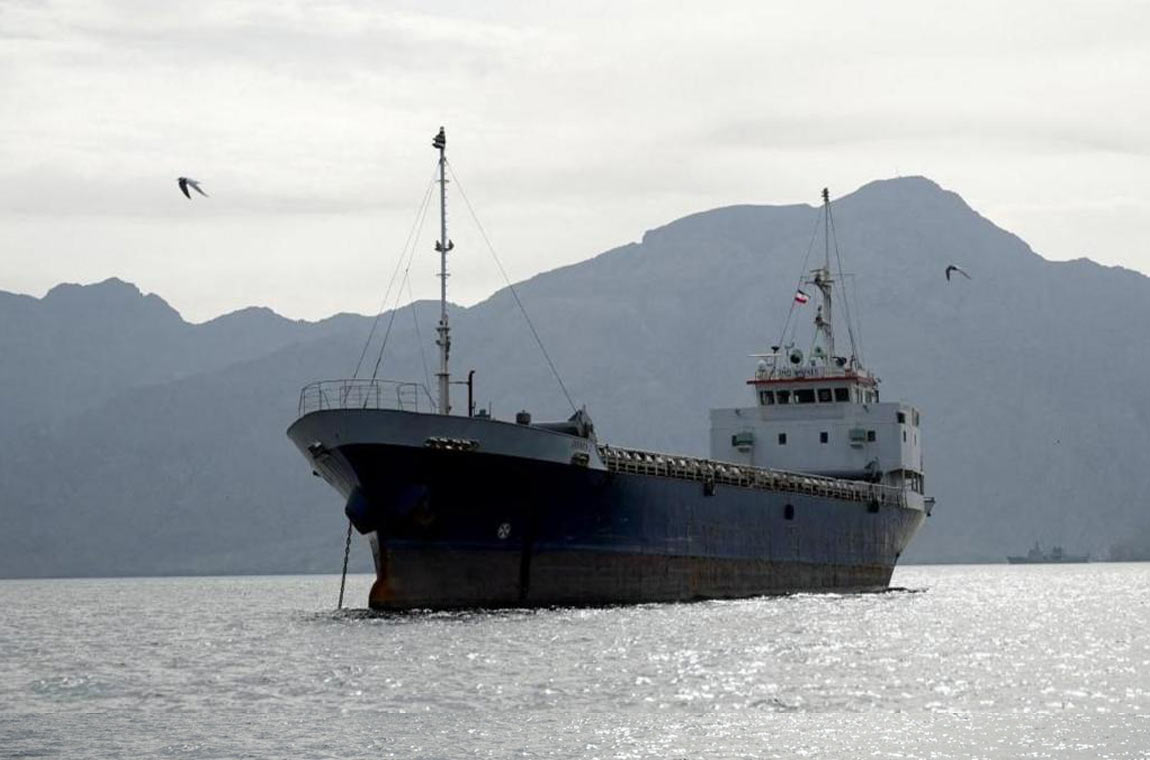
The direct attacks on shipping vessels, offshore infrastructure, and tankers by both parties will have serious consequences for the marine environment in the region. These attacks increase risks of oil spills into the Gulf and surrounding waters, an area of high biodiversity and home to many endangered species. This was evident during the previous Iraq-Iran war in the 1980s, when oil spills were linked to a sharp decline in hawksbill and green turtle populations. An additional study found that 12 years after the Gulf War, traces of oil residue were still present along Saudi Arabia’s coasts and full recovery is expected to take decades.
In Lebanon, an emerging front that has spilled over from the US-Israel war on Iran, numerous fires have occurred throughout the country as a result of Israeli airstrikes. These strikes, combined with the region’s drought-like conditions, have led to extensive forest fires, including in the Bkassine pine forest, the largest pine forest in the Middle East. There have also been several reports in Lebanon of the Israeli military using white phosphorus bombs, a violation of international humanitarian law. White phosphorus is highly toxic and can cause severe liver damage, ingestion issues, and respiratory tract problems. In addition to these white phosphorus bombs being used in urban areas, they have also been used in agricultural zones in attempt to reduce land and soil fertility and contaminate water supplies. It has been reported that these attacks have burned over 40,000 Lebanese olive trees.
The direct attacks on shipping vessels, offshore infrastructure, and tankers by both parties will have serious consequences for the marine environment in the region.
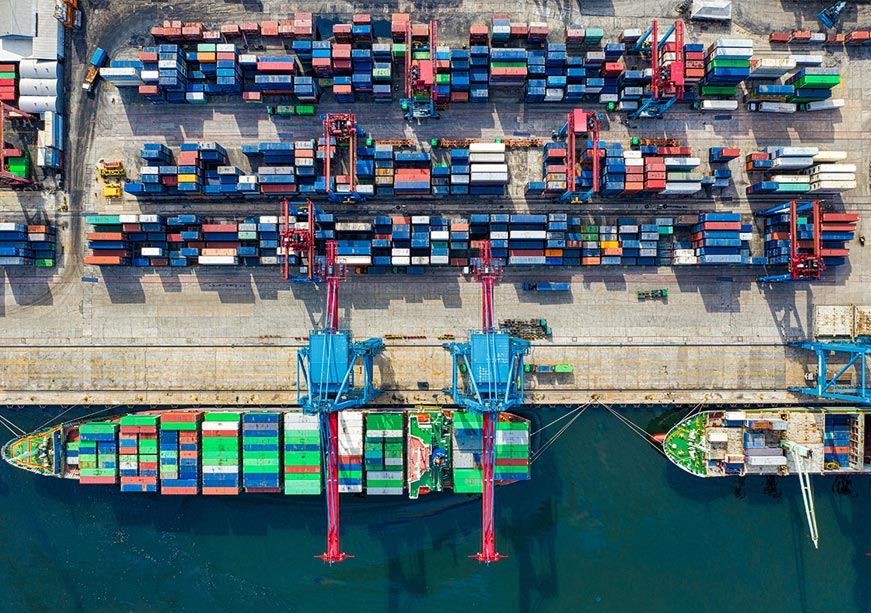
The US-Isreal war on Iran has impacted global transportation through diverted air and shipping routes. With much of the Middle East essentially a no-fly zone, planes are being rerouted to avoid the airspace thus leading to an increase in travel times, fuel consumption, and emissions. Data from the Russia-Ukraine war indicate that such rerouting can raise aviation emissions by more than 1 percent. Additionally, Iran has effectively shut down the Strait of Hormuz, a passage responsible for 20 percent of global maritime transit. This has led to an energy crisis with the price of oil now exceeding US$100 per barrel. With increased instability in the Middle East, shipping companies are avoiding the Strait of Hormuz and the Red Sea (due to the attacks from Yemen’s Houthis), while the Suez Canal has also seen a decline in traffic. It is reported that disruption of the Suez Canal can increase the carbon footprint by nearly 50 percent. Vessels, rather than transiting through the Middle East, are opting for longer transit routes around the Cape of Africa or through the Pacific, markedly increasing shipping times and emissions. These extended shipping routes have also disrupted fertilizer trade, surging prices by 30-40%, thereby, threatening food security and agriculture. The prolonged conflict in the region has also triggered large-scale displacement and a refugee crisis, not only resulting in a humanitarian disaster, but also in increased carbon emissions due to higher fuel consumption from both aviation and automobile transport.
With much of the Middle East essentially a no-fly zone, planes are being rerouted to avoid the airspace thus leading to an increase in travel times, fuel consumption, and emissions.
The Future Long-Term Implications
Much of the impact of war on climate change will be observed into the future over longer timescales, especially as a majority of the emissions will arise from post-war reconstruction. In addition to more drought-like conditions and heatwaves resulting from increased emissions, the region can also expect declining land fertility and more polluted water sources due to chemical exposure. The impact on human health from these chemicals will likewise emerge over time, as some conditions may take years to manifest. Long-term instability in the region and the energy crisis caused by direct strikes on energy infrastructure in the region could lead to two possible outcomes. The first scenario may involve countries purchasing cheaper, more polluting coal; as seen in European nations following the war in Ukraine, alongside increased drilling of new Liquefied Natural Gas (LNG) terminals and fossil fuel infrastructure. The second scenario could see more countries pursuing clean energy alternatives and reducing reliance on fossil fuels for more secure energy, a potentially positive outcome amongst all this climate chaos.
Houraa Daher is a Research Scientist, University of Miami Rosenstiel School of Marine and Atmospheric Science.