 Global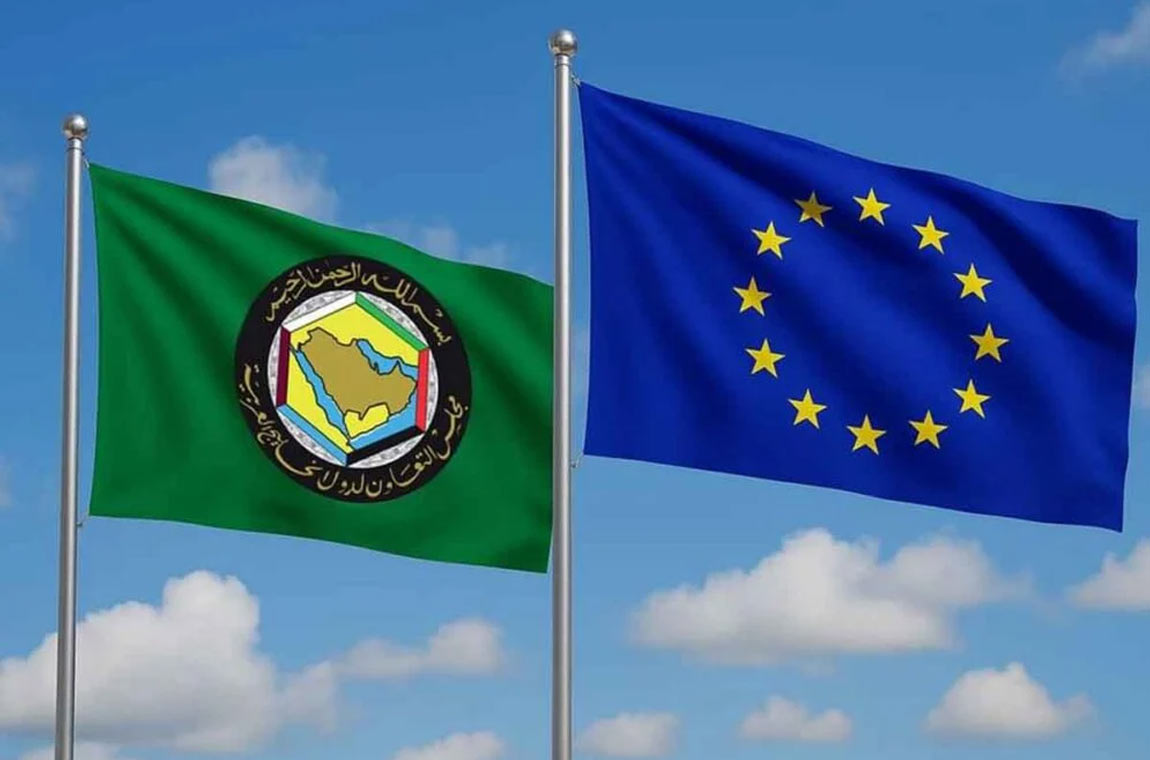
Expert Speak | 14 April, 2026
Stress Testing the EU-Gulf Cooperation
Spotlight:
- A pivotal test of the deepening and strengthening EU–Gulf relations is the way, form, and extent of the Union’s support to its partners during the hostilities and in the post-conflict stabilisation phase.
- Free Trade and Strategic Partnership agreements gain new substantive significance in the post-conflict era. They can serve as instruments that showcase the EU’s trust in the Gulf states’ long-term stability and prosperity.
- The EU’s predictability and reliability can serve as an asset—a strategic currency—which increasingly resonates with the needs of its partners.
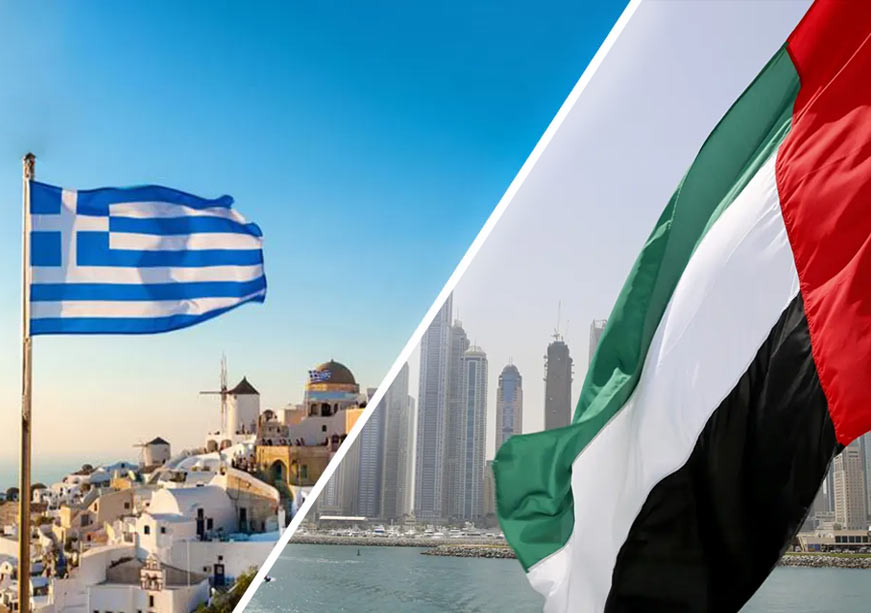
In April 2025 and 2026, the European Union’s (EU) cooperation with the Gulf states unfolded in two distinct strategic contexts. Since last spring, a series of landmark announcements revealed that these relations had entered a phase of deepening, expansion, and enhancement. Over the past year, free trade negotiations – aimed at market liberalisation – were initiated between the EU and the United Arab Emirates (UAE). Moreover, Brussels announced its readiness to negotiate tailor-made Strategic Partnership Agreements (SPAs) bilaterally with each Gulf State. To date, SPA negotiations have commenced with the UAE and Qatar. Given their scope and purpose, these agreements have the potential to significantly strengthen political and economic ties between the parties.
Brussels announced its readiness to negotiate tailor-made Strategic Partnership Agreements (SPAs) bilaterally with each Gulf State.
The significance of these negotiations may be considerably re-evaluated and acquire new substance against the backdrop of the conflict that broke out in February 2026, when the United States (US) and Israel attacked Iran, prompting Tehran to retaliate by targeting the EU’s Gulf partners. Overall, the future trajectory of EU–Gulf cooperation will be strongly contingent upon the nature and extent of the support and prospects that the Union can provide to its partners, both during the conflict and throughout the post-conflict recovery phase.
Although on 8 April the US and Iran agreed to a temporary ceasefire, the situation remains volatile until a more durable political settlement begins to take shape. Kaja Kallas, EU High Representative for Foreign Affairs and Security Policy, welcomed the cessation of hostilities, showing cautious optimism. For the time being, this phase appears to remain one of observation and prudent anticipation.
Confronted with New Realities
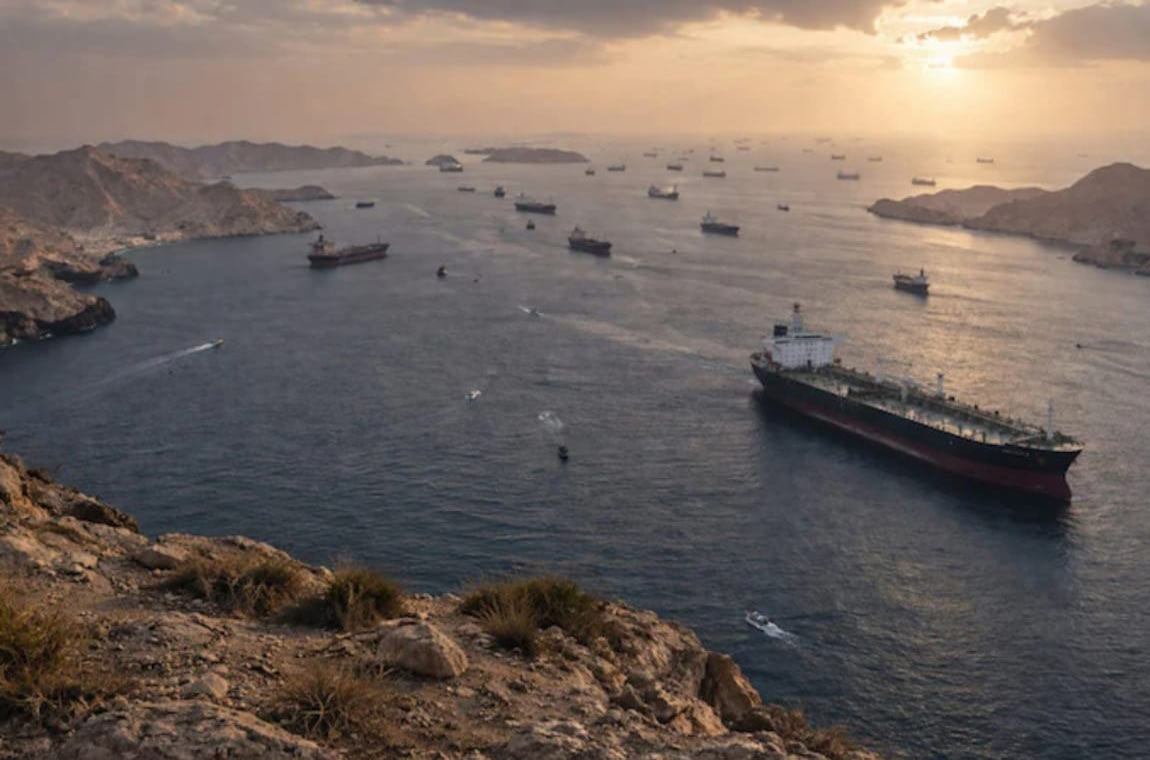
The Gulf states are bearing the costs of a conflict initiated and shaped by external powers. Iran’s blockage of the Strait of Hormuz – disrupting trade through a commercial chokepoint of vital importance to the countries of the Arabian Peninsula – together with attacks on civilian infrastructure, has severely undermined these actors’ economic interests.
In addition to the direct economic and physical losses that the Gulf countries suffered, the attacks also undermined their reputation as “oases of peace, stability and security” within a conflict-torn region.
Crude oil and liquified natural gas (LNG) are among the export commodities most exposed to these disruptions, though other products, such as fertilisers, are also impacted. Based on data provided by the International Energy Agency (IEA) “around 25% of the world’s seaborne oil trade transit[s] the Strait, and options to bypass it [are] being limited”; additionally, this maritime passage is also indispensable for the shipment of 20 percent of global LNG. Beyond the physical disruption of hydrocarbons trade, exports are further constrained due to attacks on Gulf energy infrastructures. A telling example of the damage and its impact is the case of QatarEnergy, which was compelled to invoke force majeure on some of its LNG contracts, including supply agreements with Italy and Belgium. In 2025, Qatar was the EU’s third largest LNG provider accounting for 8.8 percent of total volume[1] behind Russia (14.3 percent) and the US (55.2 percent). At present, the partial disruption of hydrocarbon trade does not pose a physical supply threat to the Union, as the Gulf states are neither its sole nor its primary suppliers of LNG or oil. The principal adverse impacts for the EU arise instead from rising global energy prices. However, the possibility of shortages has arisen with regard to jet fuel.
In addition to the direct economic and physical losses that the Gulf countries suffered, the attacks also undermined their reputation as “oases of peace, stability and security” within a conflict-torn region. Given the nature of the harm, addressing physical damage once the direct hostilities come to a lasting end might be quicker than mending one’s image.
It is under such circumstances that the scope, strength, effectiveness, and future potential of cooperations may be assessed through the prism of conflict-period support and post-conflict recovery priorities.
A Friend in Need is a Friend Indeed
As Luigi Di Maio, the EU’s Special Representative (EUSR) for the Gulf Region observed in an interview a few weeks after the outbreak of hostilities: “This crisis is testing our partnership and, so far, is reinforcing our partnership”. In light of this statement, the question arises: what precisely does the Union’s aid to the Gulf entail and where does its significant potential lie?
Beyond the expressions of support and solidarity – exemplified by the EUSR’s in-person visit to the Gulf countries in March 2026, followed by the High Representative’s visit to the region in April– the EU also proposed concrete solutions to help mitigate the harms of the conflict. As such, according to the EUSR, the Union has put forward to the United Nations (UN) the idea of the creation of a humanitarian corridor through the Strait of Hormuz, similar to the Black Sea grain initiative. After the recently announced temporary ceasefire it remains to be seen how the reopening of this waterway will effectively unfold and to what extent ships would be able to transit freely.
According to the EUSR, the Union has put forward to the United Nations (UN) the idea of the creation of a humanitarian corridor through the Strait of Hormuz, similar to the Black Sea grain initiative.
Di Maio further emphasised that this critical situation holds an opportunity to elevate the cooperation of the Union with its Gulf partners in the areas of security and defence. These strategic domains are set to be an essential component of the SPAs. Such sectoral cooperation could gain even more traction as, according to the EUSR, Gulf countries call “for a structured solution of this conflict […] in the day after this war, we have to work for a solid architecture of security of the Middle East because […] the security of the Gulf […] the security of the wider Middle East is our security”. This line of reasoning reflects a political and diplomatic approach instead of a force-based one.
The EU itself rejected any form of military engagement in the conflict. As Kaja Kallas stated in mid-March, “This is not Europe’s war, but Europe’s interests are directly at stake”. At the time of writing this article, EU Member States restrained, under the EU’s common security and defence policy, from expanding the geographic scope of the Union’s existing defensive naval operations in the wider region (EU NAVFOR ASPIDES or EU NAVFOR ATALANTA) to the Strait of Hormuz. One of the main explanations for this decision is that the Union’s strategic attention and support instruments are primarily concentrated on Ukraine; the latter being at the core of the EU’s security concerns and fundamentally tied to its vital interests. As Kallas put it after a Foreign Affairs Council meeting on 16 March: “Ministers [of the EU countries] were clear that Ukraine remains a European top security priority and attention for Ukraine will not be allowed to fizzle out”.
Ukraine’s centrality in how Brussels positions itself regarding developments in the international arena and how it frames these events, particular strategic importance is attached to Kyiv’s contribution to the defence of US ally Gulf states against Iranian strikes.
Considering Ukraine’s centrality in how Brussels positions itself regarding developments in the international arena and how it frames these events, particular strategic importance is attached to Kyiv’s contribution to the defence of US ally Gulf states against Iranian strikes. In the EU’s narrative – which builds on the interlinkages between the conflict theatres in its Eastern and wider Southern neighbourhood – this aid is contrasted with Moscow’s support to Teheran. Such framing can foster a sense of shared hardship with the Gulf states and introduce a new dimension of converging interests.
Predictability and Trust: Increasingly Valued Strategic Asset
Amid a volatile and uncertain geopolitical landscape, the EU can position itself as a long-standing, reliable strategic partner — one with concrete economic and political offers on the table, and crucially, one that is predictable. French President Emmanuel Macron underscored this quality in early April, implicitly contrasting it with the erratic behaviour of the US. A case in point of this predictability, reliability, and commitment to upholding international agreements and norms is Brussels’ commitment to the Iran nuclear deal (Joint Comprehensive Plan of Action (JCPOA)) even after Washington’s withdrawal.
This reasoning is likely to resonate strongly with the Gulf states’ strategic considerations, which may have already experienced a fundamental erosion of confidence in the US’ actions. Subsequently, from the standpoint of these states’ future cooperation prospects with other partners this turn of events could heighten the value of predictability and trust.
This logic may place an even higher premium on the opportunities of collaborating with the EU, a longstanding counterpart, with whom institutionalised cooperation dates back to 1989.[2] Beside the Union being the “GCC’s [Gulf Cooperation Council[3]] second-biggest trade partner” – based on data from 2024 – and the world’s largest trading block, its forthcoming structural engagements (e.g., under the form of FTA and SPAs) and commitments are likely to serve as signals of trust in the prosperous and stable future trajectories of the Gulf states.
In a stabilisation phase, the EU’s offer to its partners may gain heightened importance, as a relatively swift negotiation of the FTA and SPAs could bring about significant change in the Gulf states’ post-conflict conditions and prospects.
Conclusion
How the EU responds to the predicament in which the Arab Gulf countries, its partners, found themselves after 28 February 2026 will be decisive for the future prospects of cooperation between the parties.
The tangible impact of these responses on de-escalating the conflict remains limited. The Union continues to act as a stable background supporter, rather than an actor capable of significantly influencing the course of events. Nevertheless, in a stabilisation phase, the EU’s offer to its partners may gain heightened importance, as a relatively swift negotiation of the FTA and SPAs could bring about significant change in the Gulf states’ post-conflict conditions and prospects. Should these agreements be concluded over the coming months or year, they could yield substantial reputational advantages to the concerned parties, along with both direct and indirect economic and political gains.
When the dust from drones and missiles settles, attention should shift from the skies to the negotiating tables.
Eszter Karacsony, Non-Resident Fellow, ORF Middle East
[1] It is worth noting, however, that exposure to LNG imports differs across individual member states. This figure applies to the EU as a whole.
[2] Relations between the EU and the Gulf Cooperation Council (GCC), with its six member countries – Bahrain, Kuwait, Oman, Qatar, Saudi Arabia, and the United Arab Emirates (UAE) – are legally based on and governed by the Cooperation Agreement signed in 1989.
[3] The six member countries of the Gulf Cooperation Council (GCC) are Bahrain, Kuwait, Oman, Qatar, Saudi Arabia, and the United Arab Emirates (UAE).