 Global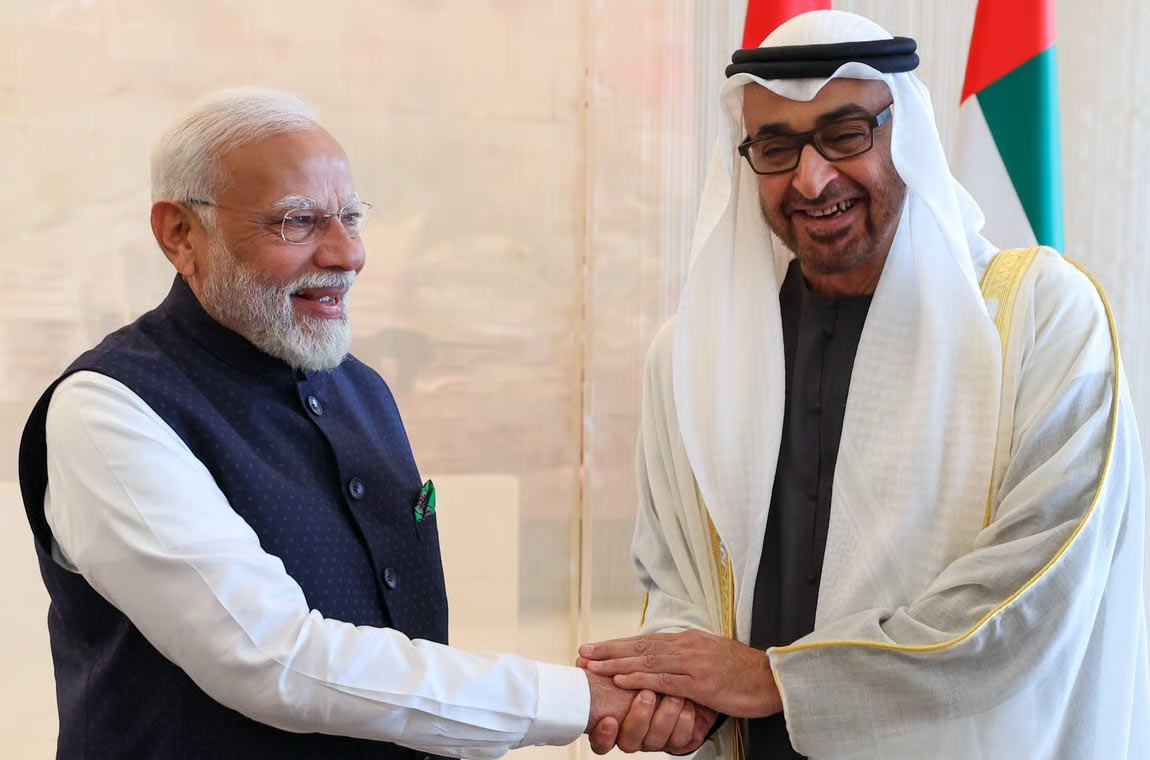
Expert Speak | 15 May, 2026
India and The UAE Forge Forward Amidst the Middle East Crisis
Spotlight:
- The Middle East crisis is deepening geopolitical instability and pulling external powers, particularly the US, further into the region.
- India–UAE ties are evolving beyond energy into a broader strategic and economic partnership anchored in trade, technology, and security cooperation.
- The Strait of Hormuz crisis highlights that economic resilience now depends on stronger maritime security and regional security architectures.
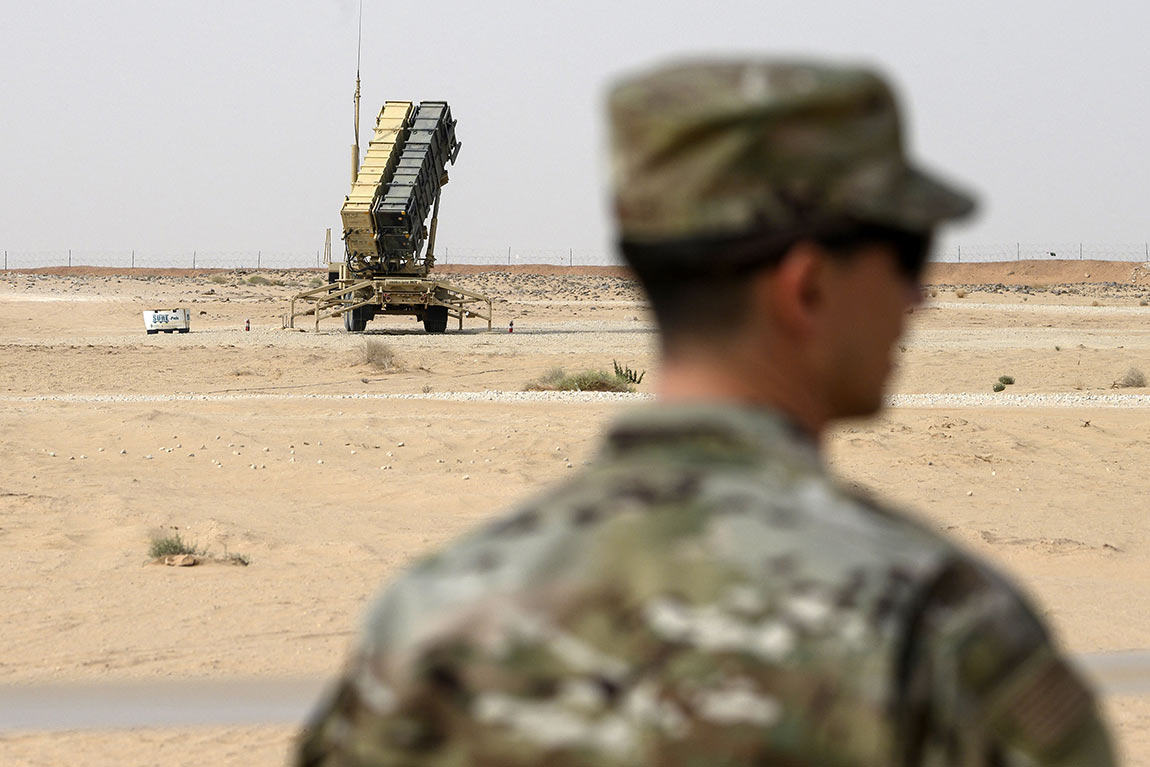
The crisis in the Middle East is showing no signs of slowing down. Instead, it is creating new regional fissures, tensions, and drawing the United States (US) further into a region successive presidents have wanted to leave. The conflict against Iran has not gone as the US had hoped for.
Against this backdrop, India’s Prime Minister Narendra Modi decided to add the United Arab Emirates (UAE) to his European itinerary at the last moment. This visit was to signal political support, along with deliberating on critical issues about the prevailing situation. The UAE has faced the largest number of missile and drone attacks launched from Iran since March. For New Delhi, a major concern is energy security. Modi has already requested people in India to be more frugal with energy consumption due to the impact of the crisis. While Modi landed in Abu Dhabi, Iran’s Foreign Minister Seyed Araghchi was in New Delhi to attend a BRICS meeting where the mood was turbulent due to opposing lines taken by Abu Dhabi and Tehran. In a Chair’s statement released by India, it highlighted that differing views persisted over the Middle East crisis within the grouping, and that the conflict’s impact is being adversely felt globally.
The India–UAE bilateral has evolved into a US$100-billion strong partnership and increasingly becoming stronger on the back of a more integrated business and economic environment beyond just oil. Non-oil trade has increased by nearly 65 percent since the CEPA trade agreement was negotiated and signed in a record 90-day period in 2022. A new target of US$200 billion in trade has been set for 2032. This automatically means that strategic alignments are strong, ranging from countering terrorism and maritime security within the scope of defence to cooperation on new and high-end technologies such as Artificial Intelligence.
However, in the interim, the geopolitical challenges, led by the blockade of the Strait of Hormuz, remain important issues where cooperation will have to be prioritised. As part of a slew of agreements, New Delhi and Abu Dhabi have agreed to work together on the former’s strategic oil reserves, a critical tool that has not been prioritised enough yet. The current conflict has shown Indian vulnerabilities when it comes to the management of energy supplies, despite having a wide net of partners to choose from. An added push to secure LPG further underscores that in this conflict, disruptions of natural gas caused far more havoc than oil supplies.
India has maintained that the freedom of navigation of global chokepoints such as the Strait of Hormuz should not be decided by any single state. For long, the impact of chokepoints in geopolitical calculations has been studied but often disregarded as less than probable. Today, as Hormuz proved such forecasting otherwise, under a blockade by Iran and a counter-blockade by the US, economies in Asia have borne the economic brunt. As peripheral stakeholders in the region’s security architecture, but main consumers of the region’s energy supplies, questions on how to stall a repeat of the ongoing chokehold will have to be addressed. These often mean uncomfortable conversations on defence cooperation and deployment realities.
Economic sustainability and resilience are increasingly inseparable from security imperatives. For the success of the former, cooperation and co-existence with the latter is a non-negotiable ask. Both India and the UAE are aptly placed to build architectures to protect their collaborative and individual stakes in the region. Maritime security will be the game of the day in the Middle East for peripheral actors such as India. Greater basing opportunities and rights, beyond atrophied projects such as Oman’s Duqm port, could serve as good starting points to build frameworks that can function in the prevailing chaotic disorder.
As the global appetite for risk increases drastically, strong bilateral relations such as India and the UAE will need even stronger guardrails to future-proof themselves. As the US promotes the idea of a ‘G2’ under Trump, China exerts more muscle, asymmetric wars drag on for years, and the likes of Russia sustain through long conflicts, a question arises as to who will protect interests abroad and how the costs of enforcing new orders will be shared. These are challenges that India and the UAE, alongside like-minded partners, will need to address collectively.
Kabir Taneja is Executive Director, ORF Middle East