 Global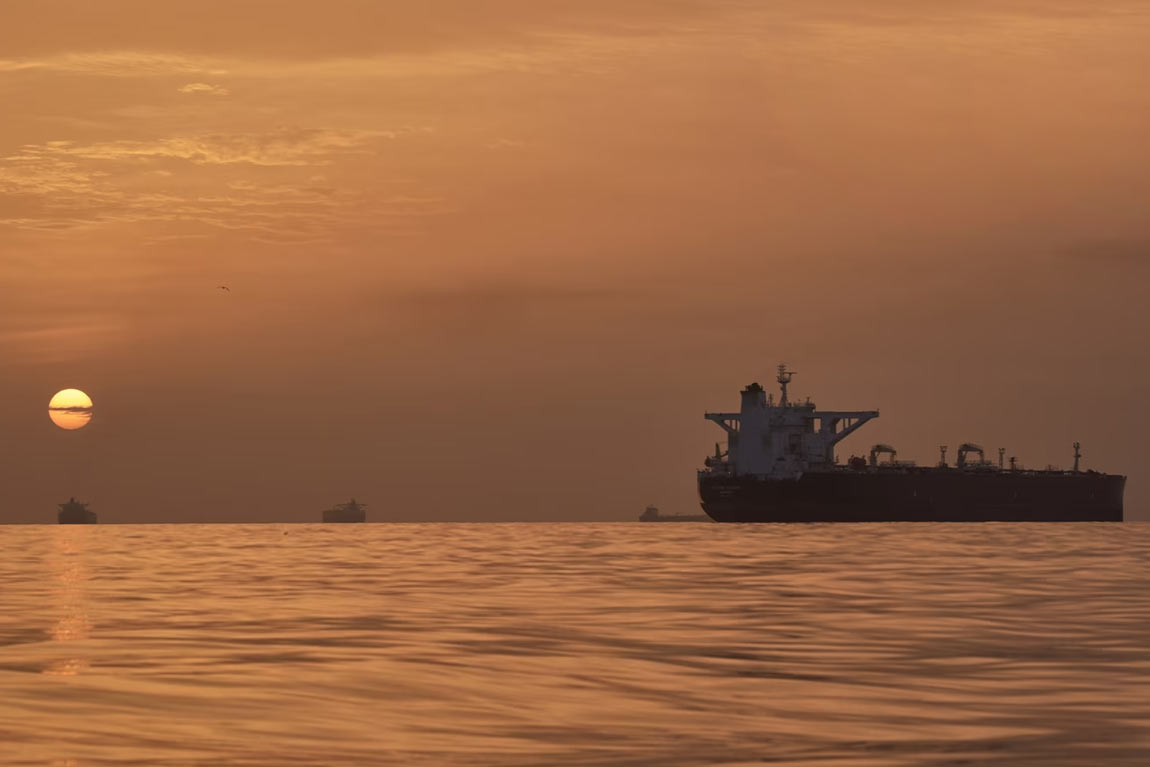
Expert Speak | 01 June, 2026
Asia’s Energy Stress: Regional Impact of Hormuz Crisis
Spotlight:
- The Asian economies are disproportionally impacted by the Hormuz crises given that an overwhelming 80 percent of oil and almost 90 percent of the LNG passing through the Strait are destined for markets across the region.
- The severity of the crises on Asian economies is uneven and varies widely based on : degree of dependence on Gulf oil and LNG, availability of reserves, diversification of supply sources, flexibility of domestic energy systems and the strength of energy resilience policy measures.
- Countries in the region will pursue parallel investments in both oil and gas exploration, and clean energy transition in an effort to build domestic energy sovereignty and security going forward.
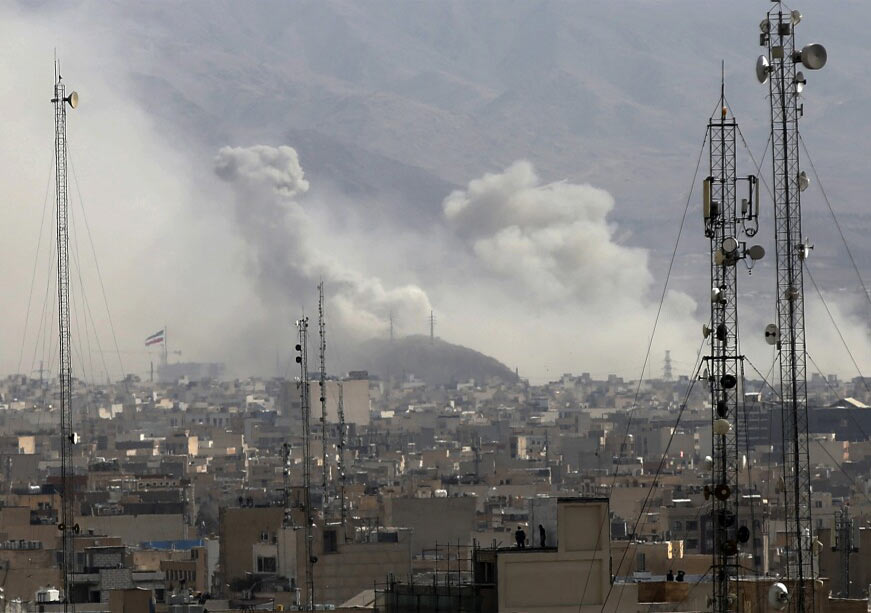
The ongoing US-Israel-Iran conflict has evolved from a localised geopolitical escalation into a worldwide systemic economic stress test. The blockade at the Strait of Hormuz – a narrow passageway which carries 20 percent of global crude oil and natural gas supplies – has exposed vulnerabilities of critical maritime chokepoints and energy supply chains. The protracted negotiations surrounding the blockade appear increasingly unpromising, while a durable geopolitical solution a far off reality.
Energy Shortages are Far from Over
Energy shortages remain at the center of this crises. So far, 5percent of world’s yearly oil supply (almost 2 billion barrels) have already been lost and the deficit grows by an additional 14 million barrels each day. Although the price of crude and natural gas has risen, the spikes have been less severe than anticipated and continues to remain below the 2022 levels following the Russian Ukraine conflict.
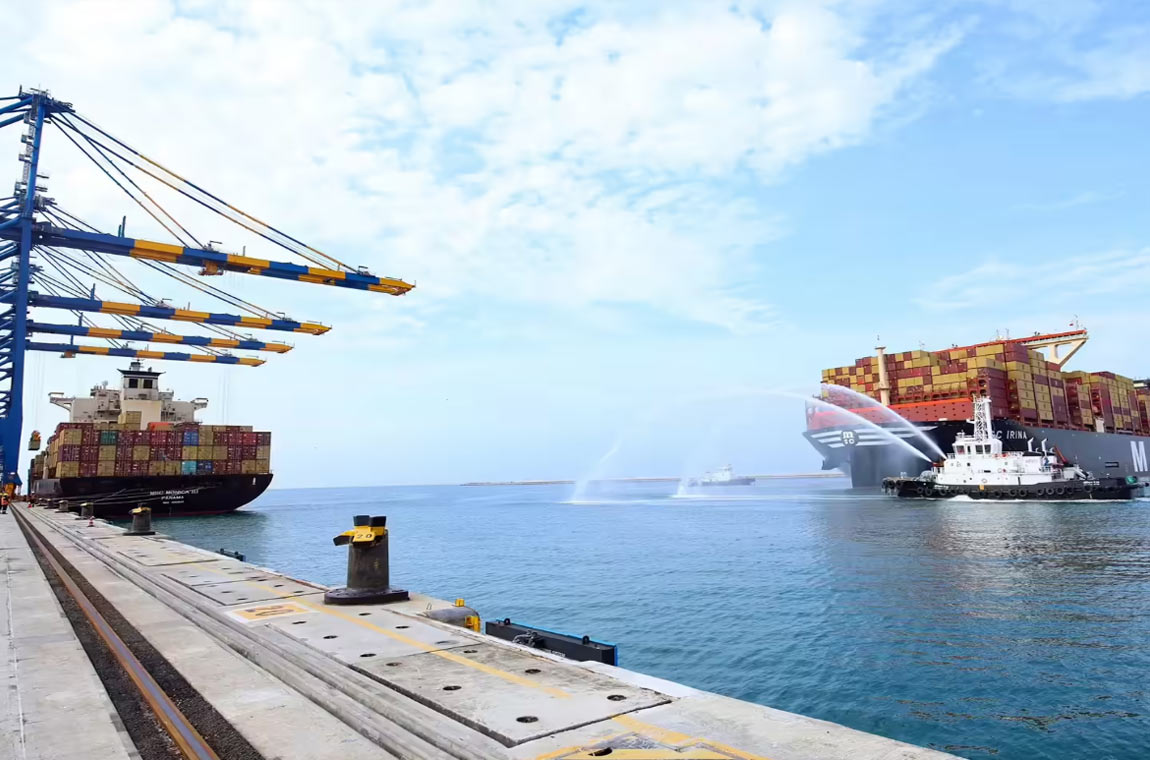
This reflects a combination of factors : a) pre-existing oil supply glut in the market (many Gulf countries had ramped up production and exports in the preceding months and importing countries increased storage and stockpiles) b) easing of Iranian and Russian sanctions on tankers which were stuck at sea c) partial release of the 400 m barrels of strategic emergency reserves from the International Energy Agency d) logistical adaptations via pipeline rerouting by Saudi Arabia and United Arab Emirates (UAE) e) additional buffers from non-Gulf producers. For instance, American exports have increased by 4 mbpd from the same time last year in May f) global demand destruction of 420,000 b/d. To illustrate, the region’s largest importer China is importing 4.5 mbpd less crude than a year ago g) commercial inventories as the last resort.
The strategic reserves and supplies at sea are depleting fast, and ramping up production in the short term beyond a limit is a challenge. The situation is even more severe for refined products and liquified natural gas (LNG) supply chains.
However, this relatively contained situation belies hard impending realities. The strategic reserves and supplies at sea are depleting fast, and ramping up production in the short term beyond a limit is a challenge. The situation is even more severe for refined products and liquified natural gas (LNG) supply chains. For instance, the price of diesel, petrol and jet fuel prices have risen faster than of crude. If the Strait remains closed for an extended period, the energy shock of the last two months will begin to appear as a teaser to a horrifying theatrical yet to release.
Why Asia Bears the Brunt
Singapore’s foreign minister has called out the “closure of the Strait of Hormuz, in a sense, an Asian crisis” given that an overwhelming 80 percent of oil and almost 90 percent of the LNG passing through the waterway are destined for markets across the region. Unlike developed economies in the West, several Asian countries do not have the fiscal space to absorb the sustained price shocks, amplifying the economic impact.
Inflation projections in parts of the region have risen sharply, with estimates climbing from around 3.6 percent to above 5 percent. However, the severity of the impact varies widely based on : degree of dependence on Gulf oil and LNG, other trade linkages with the Middle East, the strength of energy resilience measures, availability of reserves, diversification of supply, and the flexibility of domestic energy systems.
| Country | Share of Arabian Gulf Imports (2024) of Total Imports (%) | Stockpiles | Total Energy Supply by Fuel (%) (2024) | Electricity Generation by Fuel (%) (2024) | |||||||
| Crude | LNG | Crude | Coal | Oil | NG | Renewables (Solar&Wind, Hydro) |
Coal | Oil | NG | Renewables (Solar&Wind, Hydro) | |
| China | 51 | 29 | 100-110 | 58 | 21 | 10 | 9 (6,3) | 58 | 0 | 3 | 34 (20,14) |
| Japan | 93 | 11 | 254 | 28 | 39 | 20 | 8 (6,2) | 30 | 2 | 31 | 23 (15,8) |
| South Korea | 72 | 35 | 200 | 22 | 42 | 17 | 3 (3,0) | 30 | 1 | 28 | 10 (9,1) |
| Taiwan | 59 | 26 | N/A | 33 | 37 | 24 | 3 (3,0) | 39 | 1 | 42 | 11 (9,2) |
| Indonesia | 21 | LNG Exporter | 25 | 43 | 29 | 15 | 14 (13,1) | 61 | 2 | 18 | 19 (12,7) |
| Vietnam | 85 | N/A | N/A | 54 | 31 | 5 | 10 (3,7) | 50 | 0 | 7 | 42 (13,29) |
| Malaysia | 63 | LNG Exporter | N/A | 23 | 38 | 35 | 5 (2,3) | 46 | 1 | 35 | 18 (2,16) |
| Thailand | 61 | 28 | 60 | 12 | 47 | 35 | 6 (5,0) | 17 | 0 | 68 | 15 (12,3) |
| Singapore | 50 | 25 | N/A | 0 | 87 | 12 | 0 (0,-) | 1 | 0 | 94 | 5 (5,-) |
| India | 46 | 60 | 70-75 | 59 | 28 | 7 | 5 (3,1) | 75 | 0 | 3 | 20 (12,8) |
| Bangladesh | 63 | 70 | N/A | 17 | 31 | 52 | 1 (1,0) | 20 | 12 | 66 | 2 (1,1) |
| Pakistan | >85 | 99 | N/A | 14 | 28 | 45 | 6 (1,5) | 13 | 11 | 28 | 31 (4,27) |
Source – Authors’ Own; Data Derived from Energy Institute, OEC, Kpler, New York Times, Daily Star, Ember, Energy Market Authority, Gulf International Forum
NG: Natural Gas; LNG: Liquified Natural Gas; ‘0’ indicates a value <0.5
Diverging National Resilience: Buffers and Constraints
-
Stockpiles and Storage
Energy security across Asia is uneven. East Asian economies, namely China, Japan, South Korea, hold significant strategic reserves of crude which can cover several months of consumption. For instance, China has reserves of up to 1.2 billion. However, crude inventories excluding China, have already dropped by 13 percent. LNG presents a structural vulnerability in comparison since it is difficult to store, and many economies like Japan, South Korea, and Taiwan for instance import more than 95 percent of their NG supply creating acute vulnerabilities given their electricity systems are heavily reliant on gas.
Emerging economies in the region face sharper constraints and remain highly exposed due to strong crude oil and LPG dependence, limited reserves, and constrained storage, leaving them vulnerable to price spikes and fiscal strain. India faces significant threats to its LPG supply, widely used as a primary cooking fuel. Indonesia, Philippines, and Pakistan have five or six weeks of petrol supplies left. Asian economies with significant refinery capacities such as Singapore, Malaysia, and India, remain highly sensitive to crude supply disturbances and refining margins, resulting in refiners in the region cutting output by 12 percent (3.5mb/d). Asian export volumes of jet fuel, diesel, and gasoline have fallen to their lowest levels in recent years, with April 2026 exports around 3 mbpd below the average recorded during the three months preceding the conflict.
-
Fuel Switching and Electrification
Some countries retain limited flexibility through fuel switching. Coal-heavy systems like those in India, Indonesia, China and Vietnam can partially offset disruptions, while nations such as Malaysia, Thailand, and especially Singapore remain highly vulnerable due to limited domestic energy endowments. Countries are also expanding fuel blending policies, for instance, Indonesia and Malaysia have increased palm oil blending mandates in the wake of the Hormoz crises.
Emerging economies in the region face sharper constraints and remain highly exposed due to strong crude oil and LPG dependence, limited reserves, and constrained storage, leaving them vulnerable to price spikes and fiscal strain.
At the same time, growing reliance on renewables and electrification capacities is emerging as a critical buffer against external energy shocks. In a first, India achieved almost a third of its peak demand of 256 GW through renewable energy on April 25, reflecting the country’s increasing reliance on renewables for power generation. China’s energy self-sufficiency has meanwhile reached approximately 84 percent, supported by dominant domestic coal production and rapidly expanding renewable capacity. Moreover, in 2024, adoption of EV reduced China’s demand for oil by about 1 mbpd while its electric vehicles accounted for 11 percent of passenger vehicles – compared to 3percent of South Korea and 1 percent of Japan. Additionally, renewables accounted for 80 percent of China’s new electricity demand. Conversely, electricity systems in economies such as Singapore (95percent) and Bangladesh (66percent) remain highly dependent on natural gas, increasing structural vulnerabilities to LNG imports and associated price volatilities.
-
Diversification and Domestic Capacities
Efforts to diversify supply chains and partnerships have played an important role in shaping vulnerability to ongoing disruptions. To illustrate, although India imports majority of its crude requirements (~85percent) today, supplies come from over 40 countries. Similarly, China has diversified its supply sources including from Russia, Central Asia, and Africa through pipelines and alternative routes that bypass Hormuz, whereas Japan in comparison imports majority of its crude from UAE and Saudi Arabia. However, even when countries maintain diversified energy partnerships, the inability of suppliers to rapidly ramp up output in the short term continue to heighten vulnerability to disruptions.
Policy Responses: Managing Scarcity
Governments across Asia have adopted a mix of short-term interventions to manage supply shocks and political pressures:
- Subsidies:Countries such as Indonesia and Malaysia have leaned on fuel subsidies to soften the impact on economy. For instance, Malaysia increased subsidies from USD 178 million to USD 1.3 billion. This, however, risks exacerbating fiscal pressures as Asian government budget plans were based on oil averaging US$70 a barrel. With the ongoing blockade, governments will face a challenging choice of maintaining measures by cutting spending from other sectors or passing costs to consumers – such as Thailand’s decision to forego diesel price caps as fuel subsidies depleted. At the same time, countries are rolling out EV subsidies to discourage reliance on imported oil dependent internal combustion engine (ICE) vehicles.
- Demand Suppression:Measures including encouraging work from home and restricting foreign travel (India), promoting public transport (Bangladesh), shorter work weeks (Sri Lanka), restricted business hours (Pakistan), and encouraging limits on cooling temperatures (Malaysia) are all examples of demand side measures to curtail upward pressures on fuel prices. Indonesia and Sri Lanka are capping fuel purchases to 50 and 15 litres per day respectively. Cambodia has shut a third of its petrol stations, while South Korea implemented ‘license plate rationing’, restricting vehicle use to every other day
- Export Restrictions:Several countries have limited fuel exports to preserve domestic supply. For instance, China, the leading global producer of kerosene has banned all exports, South Korea capped them and India raised taxes to disincentivise them. Such restrictions make shortages elsewhere more severe. Export ban in China on finished fuels has sent the spreads between crude and both diesel and jet fuels to US$ 50-80 a barrel from US$ 15-20. Both fuels cost twice now in Singapore, Asia’s trading hub, from two months ago.
However, these measures are stopgaps rather than durable solutions. While these policies provide temporary relief, they risk exacerbating global shortages by restricting supply flows and distorting markets.
Spill over into Clean Energy Industrial Supply Chains
Beyond oil and gas, the Middle East remains central to the supply of commodities essential for the clean energy supply chains, including copper (wind turbines, solar PV, EVs), aluminium (solar panels and wind turbines), sulphur (batteries), and nickel (lithium ion batteries). The region provides an estimated 45 percent of global sulphur supply and approximately 8 percent of the world’s primary aluminium.
Planning for future energy shocks calls for strengthening reserve capacities, diversifying supply sources, and increasing electrification across sectors.
Indonesia’s nickel industry produces roughly 50 percent of global nickel supply and the nation imports nearly three-quarters of its sulphur – an essential feedstock for nickel processing – from the Middle East, with supply pressures already forcing production cuts. However, in the aluminium sector, Indonesia has demonstrated greater resilience with the rapid expansion of its domestic aluminum smelting output in recent years. Exports increased more than 100 percent month-on-month, helping cushion global supply constraints.
In China’s copper industry, increasing energy costs and ongoing logistical disruptions are straining smelting activities and downstream manufacturing. At the same time, China which accounts for 60 percent of global aluminium production is looking to reduce production. Concerns over potential output cuts have since pushed aluminium prices to their highest level in more than four years. Cost increases could become long-term structural challenges if clean energy manufacturers permanently transition to higher-cost suppliers.
Ultimately, the disruption of the Strait of Hormuz has demonstrated that resilience is not uniform across Asia. Planning for future energy shocks calls for strengthening reserve capacities, diversifying supply sources, and increasing electrification across sectors. Countries in the region will pursue parallel investments in both oil and gas exploration, and clean energy transition in an effort to build domestic energy sovereignty and security going forward.
Mannat Jaspal, Director and Fellow, Climate and Energy, ORF Middle East
Reem Sagahyroon, Research Assistant, Climate and Energy, ORF Middle East