 Global
Expert Speak | 21 November, 2026
The Democratic Stronghold on Congress and US–Gulf Relations
Spotlight
- A Democratic-controlled Congress is unlikely to immediately constrain US President Donald Trump’s Iran policy but could gradually shift its trajectory through sustained political pressure.
- Arms sales to the Gulf and US military presence in the region could face increased scrutiny, as could technology transfers.
- While Democrats have historically proven to be more critical of the Gulf in their proposed measures in Congress, Gulf states must maintain effective relationships in the US across Congress and both political parties.
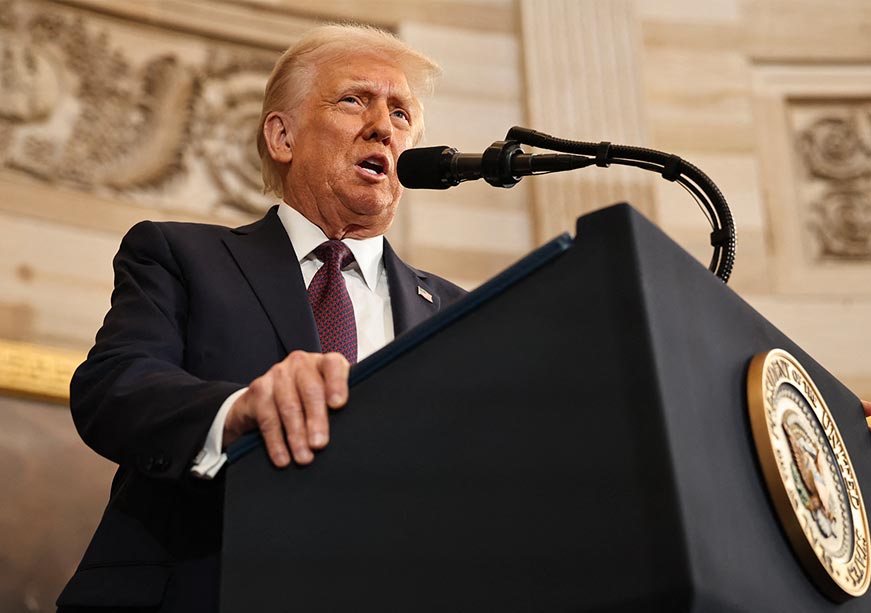
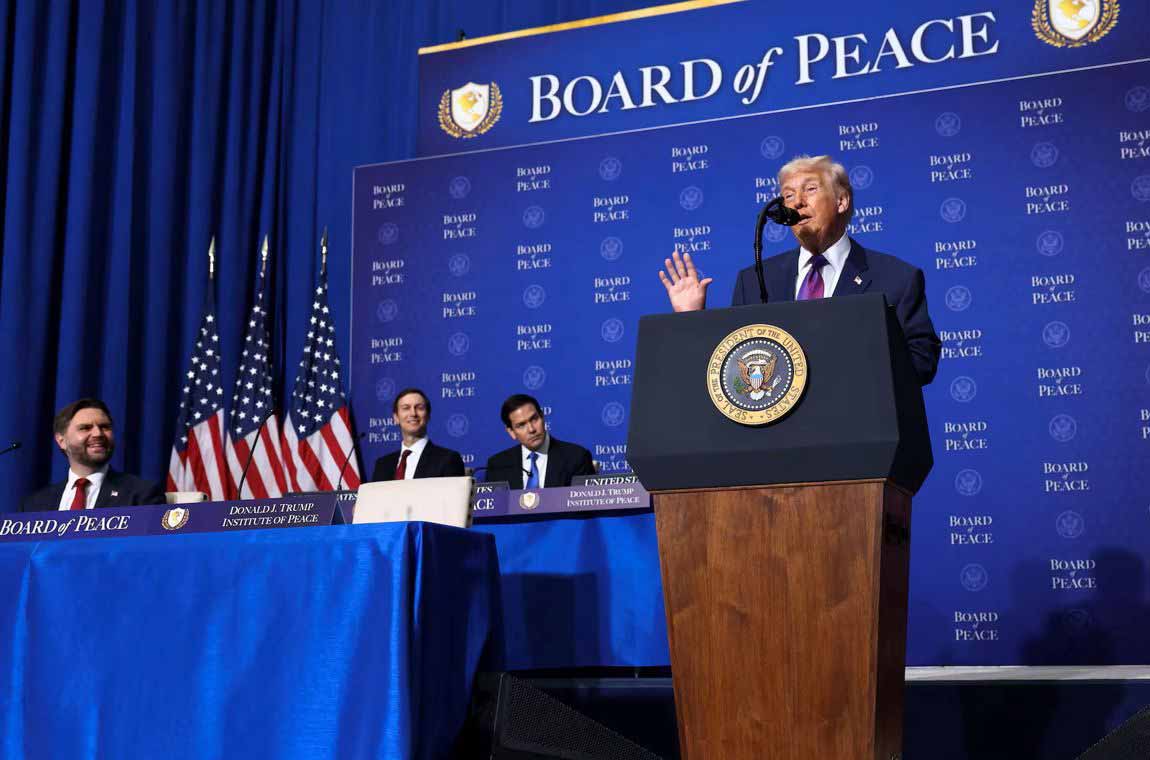
The United States (US)–Israel war with Iran has been acknowledged by US President Donald Trump as one of the factors responsible for the Democratic victory in the US midterm elections. The elections led to a surge in Democratic seats across Congress, with the party gaining control of both the House and Senate. However, it remains unclear whether such a victory will constrain President Trump’s ability to pursue his Iran policy in the short term, as the White House retains considerable executive independence over foreign policy and military operations.
In the longer term, such a Congress could gradually shift the trajectory of US policy towards Iran. While Congress cannot dictate foreign policy or military operations, it can use its oversight powers to increase the political costs of escalation and strengthen the case for diplomacy. The changes are likely to emerge through sustained political pressure rather than through an immediate reversal of the administration’s approach. President Trump is consequently unlikely to be critically constrained by the midterm results in his decision-making over the coming weeks, particularly amid speculation about him restarting the war.
While Congress cannot dictate foreign policy or military operations, it can use its oversight powers to increase the political costs of escalation and strengthen the case for diplomacy.
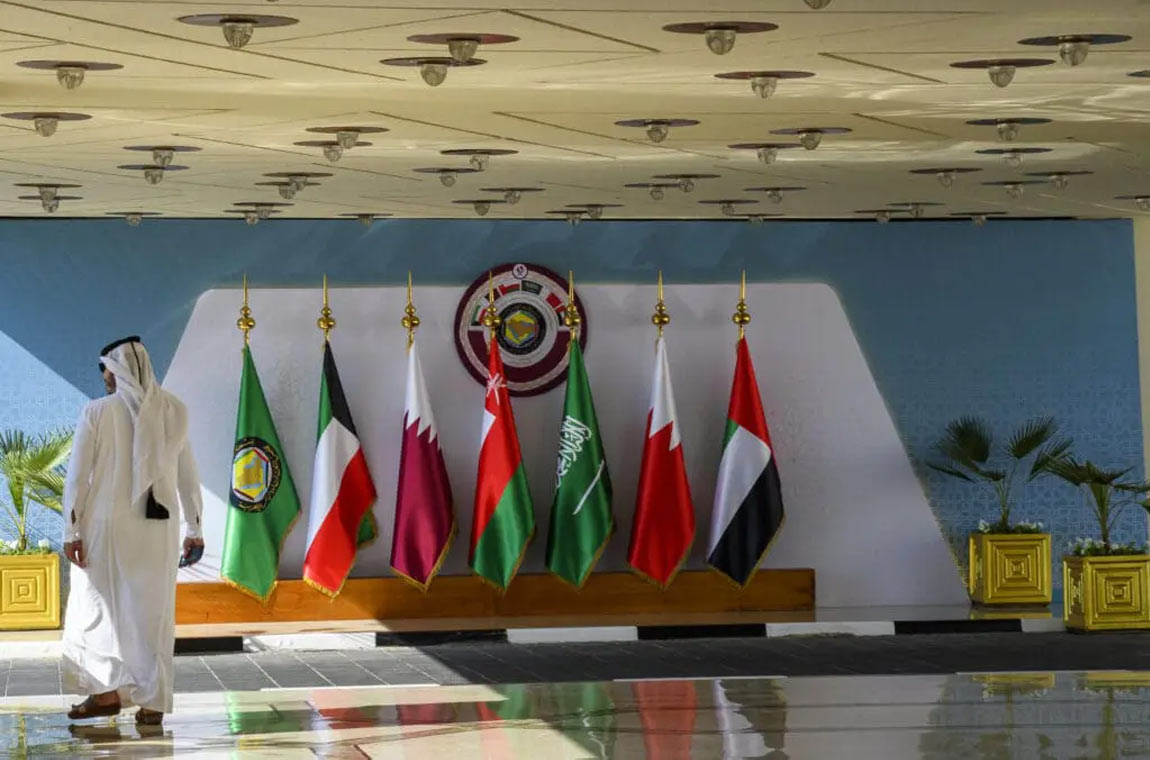
The elephant in the room for the six Arab Gulf states lies in their relationship with Congress itself, rather than immediate changes in the White House. Congress continues to exercise influence over matters central to the US–Gulf relationship, whether through committees, legislative oversight or its broader sway over the White House. In 2019, the US Senate tried, but failed, in its bid to block the controversial sale of US$8.1 billion worth of weapons to Saudi Arabia, as well as another such transaction with the United Arab Emirates (UAE). An effective relationship with the Democratic Party is therefore crucial to Gulf interests, particularly at a time when considerable doubt is being cast publicly on the US commitment to the region. During the Iran war, Gulf leaders personally met the late Republican Senator Lindsey Graham and, on a separate occasion in October 2026, Democratic Senator Chris Murphy. Such engagements demonstrate that Gulf diplomacy does not overly depend on one political party or the current administration.
The Challenge of Engaging with Democrats
Democrats are generally more critical of the Gulf than their Republican counterparts. They have often emphasised differences in values and commitment to human rights, seeking to address these through US foreign policy concerning arms transfers and regional security policies. This perception is backed by recent evidence. A search through Congress.gov legislative records on the 111th through 119th Congresses (2009–2026) shows 210 proposed measures related to the six Arab Gulf states. Of these, 131 were classified as negative or critical using ChatGPT’s GPT-6 model. Democrats sponsored 103 of the 131 measures, compared with 28 by Republicans.
Figure 1: Party Sponsorship of Critical Measures Towards the Gulf in Congress (2009–26)
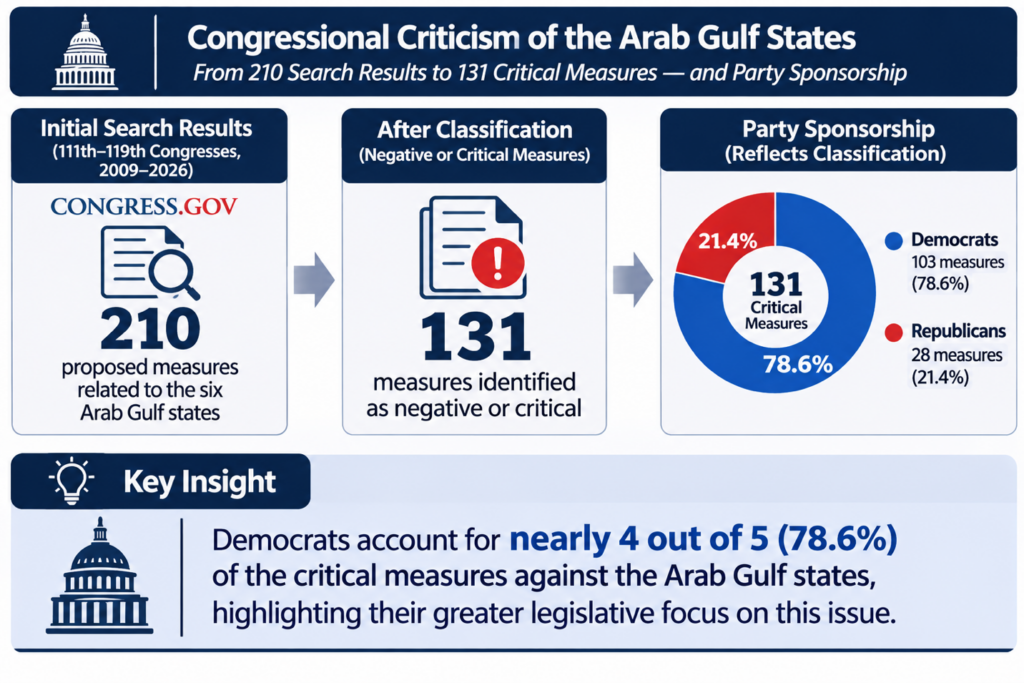
Source: Congress.gov records, generated and classified with ChatGPT (GPT-6).
Moreover, political control helps explain the distribution of sponsorship, particularly when the White House and the House are in the hands of different parties. The 116th Congress (2019–21) is the clearest example: Democrats controlled the House while Republicans held the Senate and the presidency (Trump). That period accounts for 53 Democratic-sponsored measures against five Republican-sponsored ones. Notably, much of this concentration stems from the 2019 emergency arms-sales controversy surrounding the UAE and Saudi Arabia. Arms sales and export controls dominate this legislative agenda, comprising 75 measures, or approximately 57 percent of the data set. Human rights and accountability account for another 28, while Yemen-related US military support makes up 14. Even as late as 2021, Democratic lawmakers moved to impose temporary limits on arms sales to Saudi Arabia based on such concerns.
The risk of the new Democratic-controlled Congress for the Gulf states is that rather than pushing President Trump to resolve the Iran conflict constructively in a way that reassures Gulf partners, some members (including Republican factions frustrated at the war) may want to distance the US completely from the conflict.
With this evidence in mind, the risk of the new Democratic-controlled Congress for the Gulf states is that rather than pushing President Trump to resolve the Iran conflict constructively in a way that reassures Gulf partners, some members (including Republican factions frustrated at the war) may want to distance the US completely from the conflict and leave the mess for others to clean up. Additionally, as Gulf countries continue to strengthen domestic security measures and crack down on Iranian proxy cells operating within their territories, another debate over human rights and civil liberties may emerge, resulting in continued scrutiny of US military presence and even arms sales to the Gulf.
The Implications of Congressional Oversight
Congress’s ability to scrutinise funding and challenge the administration’s regional strategy could create greater uncertainty for Gulf partners. As noted in the earlier section, in 2019, Trump had to veto congressional movement against arms sales to the Gulf. With damage already done to some US bases in the region, it remains unclear whether congressional oversight will also limit funding for their repair and operationalisation. The US naval base in Bahrain has been damaged by Iran’s attacks, with repair costs of approximately US$400 million. This has already led US Chief of Naval Operations Admiral Daryl Caudle to indicate that its Navy would not use the base for the foreseeable future: “We’re not getting back in there anytime soon.” With congressional pressure added, President Trump may adopt this position as policy.
Beyond defence, the growing allegations of corruption surrounding the Trump administration also carry reputational consequences. “We want to make sure that [American] taxpayer dollars are being used wisely and not being stolen or pocketed because of corruption,” Virginia Democratic Representative Suhas Subramanyam, a member of the House Oversight Committee, told the British Broadcasting Corporation (BBC). While such allegations may be largely unfounded or politically motivated, their association with some Gulf partners could prove damaging. In this respect, Gulf countries should avoid letting ties with individual political figures become a substitute for institutional engagement, particularly when such associations risk becoming politically contentious in Washington. This does not mean retreating from economic partnerships but ensuring that they are sufficiently transparent and durable to avoid exposure to the domestic political controversies of either party.
Nonetheless, the political implications of the midterms may extend into the economic relationship through emerging technology policy changes. Domestic debates concerning emerging technologies could indirectly affect the growing investment corridor between the US and the Gulf states. On artificial intelligence (AI) export controls, Senator Mark Warner, the top Democrat on the Senate Intelligence Committee, has stated that “there is a potential model for US technology collaboration with Gulf partners—but it has to be predicated on technology security, strong protections against misuses of US-origin technology for surveillance or repression, and tangible benefits to the United States. Instead, the Trump administration has predicated these engagements on transactionalism.” Indeed, concern over national security and the exposure of technology markets to geopolitical shocks could result in greater congressional scrutiny of technology transfers, access to advanced semiconductors, and foreign investment in critical infrastructure.
Conclusion
The partisan differences reflect broader trends in US domestic politics, but they have not diminished the importance that Gulf states place on their strategic relationship with Washington and its politicians, regardless of party affiliation. Ultimately, it is the responsibility of Gulf diplomats to make it clear that their countries intend to engage holistically with the US political establishment, while consistently underscoring the value of the relationship. A Democratic-controlled Congress should not necessarily be viewed as a threat to US–Gulf relations, but as a reminder that such partnerships must be built across political institutions and party lines, especially as the Gulf countries’ increasingly important economic relationship with the US requires positive public diplomacy and broad political engagement to build trust among US businesses, expatriates and visitors.
Mahdi Ghuloom is Junior Fellow (Geopolitics), ORF Middle East.
The author acknowledges the use of ChatGPT (GPT-6), for minor refinements to grammar and phrasing, as well as the classification of legislative sentiment cited in the piece.