 Global
Commentaries | 10 October, 2026
The India-UAE Energy Synergy: Templates of Cooperation for BRICS and the Global South
The India-United Arab Emirates (UAE) energy partnership is moored in an energy pragmatism that pursues decarbonisation while recognising that the imperatives of energy security simultaneously argue the case for legacy oil and gas ecosystems. This mutually beneficial bilateral energy partnership recognises the need for new energy systems to be consolidated and strengthened before dismantling old hydrocarbon pathways. Within the Global South ecosystem, nations frequently have to balance realising their growth potential with the often-conflicting pressures of energy access, energy security, industrial development, and climate change considerations. The expanding India-UAE energy partnership offers a replicable template for energy cooperation in these geographies, particularly among BRICS+ member states, many of which are among the world’s fastest-growing economies and have increasing energy needs. It serves as a model case study for the adoption of energy cooperation by demonstrating that energy security, energy resilience, and the energy transition can be better achieved through parallel rather than sequential pathways.
Introduction
India and the UAE recognise that resilient hydrocarbon ecosystems remain central to the pursuit of industrial development, reliable and affordable energy provision, and systems dependability. In a policy firmament of stark choices and prescriptions, this measured nuance anchors the unique and comprehensive energy partnership between the two countries. The distinct national and economic circumstances of both countries have shaped energy policies[1] that emphasise security, resilience, diversification, and decarbonisation. The two countries share a pragmatic view regarding the timelines and objectives of their energy strategies, coupled with strategic alignment in their structured approaches to managing a gradual transition from hydrocarbons while ensuring socially inclusive growth and long-term development investment.[1] This convergence lays the foundations for a bilateral partnership underpinned by energy pathways that balance legacy hydrocarbon systems and the rapidly emerging renewable energy ecosystems.
This convergence does not imply identical energy profiles. The UAE has traditionally positioned itself as a major hydrocarbon producer and exporter, while recently emerging as an active clean-energy player. India, by contrast, is a rapidly growing energy consumer whose admirable development trajectory continues to generate increasing demand for energy imports, supplemented by domestic deployment of alternative energy sources. Therefore, both states approach the same transition from different starting points. Similarly, differences in resource availability, infrastructure, production and consumption will see both states pursue distinct strategies in achieving their transition commitments.
The multifaceted nature of this energy partnership is increasingly relevant for BRICS+, as the India-UAE dynamic demonstrates how states with distinct energy profiles and national priorities can collaborate effectively. Despite their differences, the two states have coordinated their actions to address the challenges of maintaining economic continuity through hydrocarbons while pursuing strategies for energy diversification, resilience, and security based on cleaner alternative sources. Furthermore, their shared vision for a low-carbon future, while based on principles of sustainability, rejects disruptive processes involving abrupt energy source substitutions that can adversely impact human and economic security. This balanced approach underwrites the partnership’s fundamental value proposition in the global pursuit of the SDGs. It offers a useful template that resonates across the diverse contexts of the Global South in general and the BRICS+ grouping in particular.
The increasing energy demand among BRICS+ member states, many of which are among the world’s fastest-growing economies, will greatly affect efforts to triple[2] global renewable energy capacity by the 2030s. The UAE’s active role as an energy and infrastructure investor combined with India’s status as one of the world’s fastest-growing economies with a burgeoning energy demand places this partnership at the forefront of a transition agenda that balances ambition with realism.
Driven by India’s near-universal electrification of its large population and the UAE’s planned data-centre-focused Fourth Industrial Revolution, the two nations are poised to adopt pathways that can substantially impact the trajectory of the global energy transition. By demonstrating how energy security mechanisms can be integrated into emerging clean energy value chains and industrial strategies to support a more durable transition pathway, the India-UAE partnership provides a model for energy security that aligns with three specific Sustainable Development Goals (SDGs): clean water and sanitation (SDG 6), affordable and clean energy (SDG 7), and climate action (SDG 13).
By harnessing their respective strengths, India and the UAE can leverage their collective influence to advance a broader and more equitable global climate and energy consensus grounded in the principles of energy pragmatism. This commentary explores whether this bilateral relationship can leverage mutually reinforcing strengths in innovation and technology deployment to scale a framework for energy cooperation focused on security and sustainability across Global South states.
The Enduring India-UAE Energy Partnership
The bilateral energy partnership between India and the UAE has emerged from a broader, multidimensional relationship increasingly defined by mutual interdependence. This is particularly evident in their shared economic expansion and collaboration on joint low-carbon development initiatives.[3]
The Comprehensive Economic Partnership Agreement (CEPA), ratified in 2022,[4] has further embedded bilateral energy cooperation within bidirectional flows of investment, trade, technology, and knowledge exchange, as well as wider geopolitical alignment.[5] This integration is important for alternative energies, supporting a wider strategy to expand non-oil trade to US$100 billion. Article 14.2 specifically notes “energy” as one of the key areas of economic cooperation, while Annexes 2A and 2B outline various cost-reduction mechanisms that can benefit energy-related machinery and equipment.
For India’s energy security model, secure access to affordable and reliable energy is key.[6] Rapid economic growth has both catalysed and challenged diversification efforts and the pace of energy infrastructure development. Consequently, despite the pursuit of alternative pathways, hydrocarbons remain indispensable – a balancing act that serves as the keystone of the India-UAE energy partnership.[7] The UAE perceives India’s rapid economic growth as conducive to a stable partnership within an increasingly volatile energy market.[8] To India, on the other hand, the UAE is a reliable partner facilitating New Delhi’s strategic objective of diversifying its hydrocarbon sources as well as an enduring collaborator that is equally invested across the value-chain of the country’s energy ecosystem, whether by way of contributing to India’s Strategic Petroleum Reserves or by offering exploration rights to Indian oil companies in the UAE. Thus, cooperation and coordination across hydrocarbon sectors, including long-term LNG contracts and strategic petroleum reserves,[9],[10] underscore the joint approach of the two states towards energy security, longevity, and reliability.
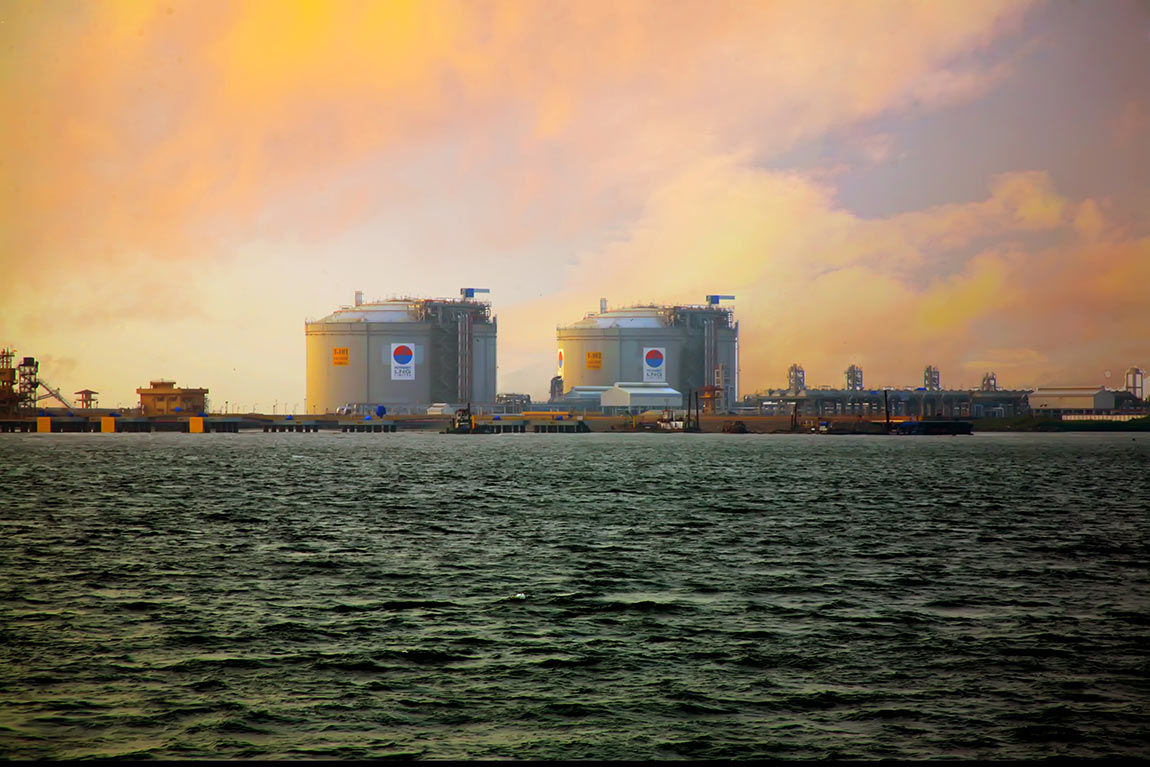
Recent agreements between Abu Dhabi National Oil Company (ADNOC) and Indian partners signal a transition from transactional commodity trade to a more institutionalised framework focused on system resilience, supply reliability, and supply chain optimisation.[11] ADNOC’s long-term LNG commitments with IndianOil – in addition to their collaboration on crude, LNG, and LPG storage capacity[12] – illustrate how the partnership increasingly integrates supply security objectives with infrastructure growth and risk management. LNG continues to play a key role in India’s transition strategy, serving as a critical bridge fuel that can support both transport and household energy needs. These developments reflect a broader shift in how producer–consumer relationships are evolving – driven by geopolitical uncertainties, a tighter global LNG market, and shifting hydrocarbon demand patterns as both states move towards decarbonisation.
Complementing this enduring partnership between the two countries in the hydrocarbon sector are synergies in the fields of solar energy, nuclear energy and green hydrogen, in particular-
Solar Energy
Renewable energy, particularly solar, represents a vital pathway for the India-UAE energy partnership to extend beyond hydrocarbons into low-carbon investment, infrastructure development, and technological cooperation. While distinct national priorities drive investment in each state, both states have structural incentives to accelerate the deployment of utility-scale solar capacity. For India, scaling renewable energy is essential to meeting rapidly increasing electricity demand, supporting large-scale electrification, and advancing towards its 2070 Net Zero target.[13],[14] For the UAE, solar development contributes to economic diversification, reinforces the credibility of its climate policies, and aligns with its 2050 Net Zero goal.[15]
The proposed India-UAE subsea grid connection, currently under feasibility assessment,[16] demonstrates how solar cooperation may evolve beyond individual projects into integrated cross-border energy infrastructure. The proposed grid aims to transmit up to 2GW of electricity across an estimated 1,600 km maritime corridor. In addition to its bilateral benefits, this project can serve as an entry point for India to tap into the wider Gulf Cooperation Council (GCC) grid interconnections to create a potential regional “super grid” extending from India to Egypt, as part of an India-Middle East-Europe Economic Corridor (IMEC) electricity network.
Nuclear Power
Increased nuclear cooperation between India and the UAE adds a layer of strategic complexity and system diversification to their energy cooperation architecture. Given the economic and strategic significance of nuclear energy, cooperation in this sector can further bilateral interdependence and enhance bidirectional capabilities, system reliability, and knowledge-sharing between the two countries. Since nuclear projects have longer construction timelines and require stable, long-term commitments between partners, such a partnership can help forge enduring strategic cooperation between the two states over a multi-decadal timeline.
A coordinated approach to the sourcing of uranium through joint international exploration and offtake agreements could, for instance, serve as an important pillar of Indo-Emirati cooperation in the nuclear sector. Such an approach would be particularly relevant to the economic diversification pathways based on the development of energy-intensive data centres that both states are pursuing. Data centres need significant amounts of reliable energy. Nuclear energy can provide the requisite baseload power with relatively low emissions, making it a decisive pillar for future industrial strategies and economic competitiveness considerations of countries such as India and the UAE.
For India, nuclear energy provides firm, low-carbon generation that may further support grid stability as renewable deployment accelerates and electrification deepens, ultimately reducing long-term exposure to imported hydrocarbons.[17] At the same time, the Barakah Nuclear Energy Plant has enabled[18] the UAE to rapidly build national expertise in financing, regulating, constructing, and operating commercial-scale reactors, a capability still uncommon among newer nuclear states. Nuclear power now supplies nearly a quarter of the UAE’s electricity,[19] and its strategic importance will likely increase as clean baseload generation becomes vital for energy-intensive sectors such as data centres and advanced industry. In this context, UAE-India nuclear cooperation strategically prioritises knowledge transfer, supply-chain participation, and specialised workforce development rather than direct energy exchange.[20]
In a show of faith in the strength of their strategic alignment as well as India’s expertise in the field, the Nuclear Power Corporation of India Limited (NPCIL) has become a key partner for the Emirates Nuclear Energy Corporation (ENEC). Through a landmark Memorandum of Understanding (MoU), NPCIL has been entrusted with the operations and management[21] of the Barakah nuclear power plant.[22] The two sides have also expressed mutual interest in harnessing the potential of the Sustainable Harnessing and Advancement of Nuclear Energy for Transforming India (SHANTI) Act[23] to explore cooperation in advanced nuclear technologies, including the development and deployment of Small Modular Reactors (SMRs). Leveraging their respective partnerships with industry leaders in the US and France, the UAE and India could extend this cooperation into nuclear commerce with states seeking to deploy safe SMRs.
Recent developments in India point to nuclear power’s potential for global expansion. India’s three-stage nuclear programme has entered the second stage, with the indigenously developed fast breeder reactors (FBRs) achieving first criticality.[24] These FBRs are expected to breed uranium using domestically available thorium reserves. Since India holds limited uranium reserves but one of the largest thorium reserves in the world, this breakthrough could in the future significantly reduce India’s present dependence on competitive global uranium markets. While the technology is not yet mature enough to scale, this development has the potential to further strengthen India-UAE cooperation in the sector over the long-term, with India becoming a reliable source of fuel to power potential FBR reactors that the UAE could consider including in its own civilian nuclear energy portfolio.
Green Hydrogen
Green hydrogen development is closely integrated with the energy diversification and decarbonisation strategies of both India and the UAE. There is demonstrable policy alignment between India’s National Green Hydrogen Mission[25] and the UAE’s National Hydrogen Strategy.[26]
India seeks to reduce fossil fuel imports and achieve an annual production of approximately 10 million metric tons (MMT) of green hydrogen and ammonia. The UAE has simultaneously set a target of 1.3 MMT of low-carbon hydrogen by 2031. Both states benefit from globally competitive levelised production costs: India contributes renewable energy scale for low-cost electrolysis, while the UAE provides advanced infrastructure and export capacity. The UAE–India Hydrogen Task Force[27] serves as the primary institutional platform for scaling technology and strengthening bilateral cooperation.
Actualising the BRICS+’ Value Proposition
Within the BRICS+ framework, India-UAE energy cooperation illustrates how structurally diverse economies can collaboratively maintain energy system resilience while advancing diversification and decarbonisation. This model is particularly relevant given the grouping’s heterogeneity in terms of resource endowments, development trajectories, and energy access levels. The model’s broader value lies in extending the benefits of the energy transition to the wider Global South.
This alignment enables cooperation across key areas, including renewable deployment, grid integration, storage, and cross-border clean-energy investments.[28] However, financing remains the central focus, with UAE sovereign funds well-positioned to catalyse capital-intensive projects. At the same time, Indian institutions contribute scalable implementation models that link electrification to broader development outcomes. This is achievable through mechanisms such as below-market finance through the IRENA Energy Transition Accelerator Financing Platform.[29] Thus, UAE capital may provide a limited anchor for early-stage finance and attract additional private capital. At the same time, Indian institutions contribute longer-term credit options by leveraging affordable technologies and scalable capabilities.
Globally, approximately 730[30] million people lack access to electricity. India and the UAE’s complementary capabilities can together address this persistent energy poverty by combining cost-efficient innovation and large-scale deployment experience with capital investment, infrastructure development, global financing platforms, and digitisation models that commend themselves to scaling. For instance, this combined approach can enhance energy access in sub-Saharan Africa, which currently accounts for nearly eight out of every 10 people without access to electricity.[31]
Table 1: India’s Participation in Initiatives to Improve Energy Access and Climate Resilience in the Global South
| Initiative/Programme | Description | Key Outcomes/Deliverables |
| International Solar Alliance | Coalition of 120 countries to facilitate the adoption of solar energy by leveraging India’s expertise in the sector | Supporting solar energy projects in Africa, Latin America and Asia; Targeting investments of US$1 tn in solar energy by 2030 |
| International Solar Technology Hub | Collaborative platform for R&D focused on advancing solar technology in developing nations. | Indian investment of US$100 mn in research centres working to integrate efficiencies and cost improvements in solar deployment |
| South-South Cooperation (SSC) | Collaborative partnership with other developing countries on energy efficiency, sustainable development, and climate change | Investment close to US$500 mn through technical assistance in solar energy, energy efficiency, waste management, capacity building |
| Tripartite partnership focused on sustainable development through promotion of knowledge exchange and joint initiatives in renewable energy. | US$50 mn for joint project developments in solar and wind energy | |
| Asia-Pacific Renewable Energy Technology Cooperation (APRETEC) | Regional initiative to foster joint project development in clean and renewable energy | US$400 mn for technology transfers and R&D, particularly in the solar and wind energy sector in Sri Lanka, Bangladesh, and Vietnam |
Source: Authors’ own, based on “Empowering the Global South: India’s Leadership in Energy Conservation and Sustainable Development”[32] and MEA official portal[33]
Table 2: UAE’s Participation in Initiatives to Improve Energy Access and Climate Resilience in the Global South
| Initiative/Programme | Description | Key Outcomes/Deliverables |
| Etihad 7 (MASDAR) | Facilitating access to reliable and clean energy to countries in Africa through the raising of public and private sector funds | Provision of clean electricity to 100 mn people in the region by 2035; meeting the UAE’s commitment to the UN SDGs; development of renewable energy projects in Angola, Zambia, Uganda, and Tanzania |
| Development and deployment of Solar Energy in Africa | Solar photovoltaic project to power homes and generate jobs | 150MW Quipungo Solar Photovoltaic project in Angola |
| Deployment of solar energy and storage facilities by MASDAR in Central Asia | Development of solar photovoltaic power plant and battery energy storage | 300MW solar photovoltaic plant and 75MWh capacity battery energy storage system in Uzbekistan; US$2 bn investment in Central Asia for clean and renewable energy deployment options |
| MASDAR, Infinity Power & Hassan Allam Utilities | Development of wind energy to improve energy access and clean energy deployment through green hydrogen
|
10GW onshore wind project in Egypt; development of 4GW electrolyser capacity by 2030 in Egypt with an output of 480,000 tonnes of green hydrogen annually; MASDAR developing similar projects in Morocco, Mauritania, and Seychelles |
| Global South Utilities | Improving energy security and reducing reliance on diesel-powered generation | Grid-connected solar photovoltaic power plant in Berbera in the Horn of Africa |
| Dubai Electricity and Water Authority (DEWA) launching international operations
|
Sharing the UAE’s expertise to meet the US$20 tn energy and water infrastructure demands globally through conventional and renewable energy pathways | Creation of an institutional mechanism to share best practises and technical knowledge to improve energy access globally. |
| Abu Dhabi Future Energy Company (MASDAR) and Elite Agro | Scalable model for integrating renewable energy into sustainable agriculture | First agricultural photovoltaic (AgriPV) in the MENA region |
Source: Authors’ own based on inputs from MASDAR and MOFA portals, Zawya and Utilities Middle East[34]
The pragmatism underpinning the India-UAE partnership in the sector is built on the pillars of energy access, affordability, and efficiency. This value proposition can be further harnessed through targeted investments and the sharing of best practises on issues such as grid modernisation and grid extensions to address outages, technical losses, and access challenges that the Global South commonly contends with. The anticipated risks of such investments could be mitigated by blended finance instruments underwritten by government guarantees, which lowers the cost of capital and makes them more attractive to institutional investors.
In addition to addressing energy access issues, the partnership is also relevant to energy resilience, particularly in addressing risks related to geopolitical and supply chain disruptions and climate impacts. Cooperation in digital systems, storage, and diversified supply networks can strengthen both hydrocarbon and renewable infrastructure.
Longer-term collaboration may extend to nuclear energy, focusing on regulatory development, safety standards, and emerging technologies such as SMRs, leveraging India’s technical expertise and the UAE’s institutional and financial capacity.
Finally, where the India-UAE energy partnership intersects with the critical minerals sector, investment in energy infrastructure within resource-rich economies can support both supply-chain security and domestic value addition, linking energy cooperation to broader South–South development objectives.
Challenges and Constraints
Despite the distinct merits of the proposed approaches and initiatives that the India-UAE partnership can contribute to, both bilaterally and through multilateral platforms, several constraints warrant further consideration.
First, in addition to their strong bilateral relationship, both India and the UAE maintain an expansive matrix of other bilateral and multilateral alliances. Since nation-states naturally prioritise their own sovereign interests, alignments inevitably shift in response to market conditions, technological disruptions, and evolving geopolitical scenarios. It augurs well, therefore, for the abiding bilateral consensus to recognise that the value of the partnership lies not in an expectation of exclusivity but in deliberate strategic coordination. The diversity of partnerships provides both states with greater strategic flexibility by reducing the risk of excessive interdependence.
Second, while this commentary highlights four specific vectors of coordination in the energy sector, further exploration, such as the infrastructure underpinning the operationalisation of these concepts, can reveal practical constraints. For instance, it is unrealistic to assume that both states will approach all elements with the same degree of enthusiasm and readiness for joint initiatives. A more realistic assumption for a unified energy strategy, therefore, is selective alignment across multiple fronts, with varying degrees of depth across pathways.
Third, adding a BRICS+ dimension to the bilateral relationship, however strong, can introduce complex geopolitical friction. For instance, other BRICS+ member states may wish to cultivate their own relationships with each of these states or non-BRICS entities. Additionally, the G7 may view the growing partnership as aggressive or competitive and attempt to push back, reminiscent of the counterapproach the group mounted in the critical-minerals space.
Finally, the frameworks between India and the UAE are unique products of a relationship built upon centuries of cooperation. As such, many of these initiatives cannot be directly applied to other contexts. Divergent economic, demographic, and geographical differences between the UAE and other nations can, for instance, pose transferability challenges. The analytical value of this partnership lies not in mechanically replicating its workings but in understanding the underlying dynamics that can be extracted, tailored, and applied across diverse contexts – while the core principles of enablement between states remain the same.
Conclusion
The India-UAE energy partnership demonstrates how two states with distinct energy systems, economic structures, and development priorities can nevertheless build a practical framework for cooperation. Its significance lies not in the absence of differences, but in the ability of both partners to navigate them using their complementary strengths: India’s scale, technical capacity, and development experience, and the UAE’s role as an energy producer, investor, and infrastructure partner.
This article argues that the partnership offers a credible model of energy cooperation across several fronts, including energy security, low-carbon transition, knowledge exchange, investment, infrastructure resilience, and policy coordination. Rather than treating hydrocarbons, renewables, nuclear energy, hydrogen, and critical minerals as separate agendas, the UAE-India experience shows how diversified energy systems can be built through long-term supply arrangements, clean-energy investment, technical collaboration, and institutional learning. Its broader relevance to BRICS+ and the Global South lies in its operational character.
The partnership does not offer a universal template, nor can it be extrapolated mechanically to states with different financial capacities or energy needs. However, it does demonstrate a set of instructive principles such as matching capital with scale, linking energy access to development, strengthening system resilience, and pursuing decarbonisation without disregarding economic security. In so doing, the India-UAE partnership provides a pragmatic model for managing energy transitions that are economically resilient, technologically diverse, and more responsive to the developmental constraints and priorities of the Global South.
This commentary originally appeared in Observer Research Foundation
The authors acknowledge the use of ChatGPT 5.5 and Grammarly V1.2.271.1909 for editorial support.
Endnotes
[1] The official Net Zero commitments of both states (India’s Net Zero 2070 and UAE’s Net Zero 2050 announcements) take due cognisance of the need for the energy transition while simultaneously utilising hydrocarbon pathways where applicable, to meet their energy security and developmental needs.
[1] The United Arab Emirates, “The UAE’s Net Zero 2050 Strategy,” The United Arab Emirates’ Government Platform, https://u.ae/en/about-the-uae/strategies-initiatives-and-awards/strategies-plans-and-visions/environment-and-energy/the-uae-net-zero-2050-strategy
[2] UAE Consensus, “Global Renewables and Energy Efficiency Pledge,” COP28 UAE, https://www.cop28.com/en/global-renewables-and-energy-efficiency-pledge
[3] S. Ismail and S. Ahmed, “Economy-wide Impacts of India–UAE CEPA: A CGE Analysis,” The Indian Economic Journal 73 (no. 4), 13 May 2024, https://journals.sagepub.com/doi/10.1177/00194662241251511
[4] Ministry of Economy & Tourism UAE, “UAE-India Comprehensive Economic Partnership Agreement,” 20 May 2026, https://www.moet.gov.ae/en/cepa_india
[5] India Brand Equity Foundation, “India UAE Trade,” 4 January 2026, https://www.ibef.org/indian-exports/india-uae-trade
[6] A. Chakrabarti and R.K. Arora, “India’s Energy Security: Critical Considerations,” Global Business Review 17 (no. 6), 28 September 2016, https://journals.sagepub.com/doi/10.1177/0972150916660443
[7] R. Agarwal, “India’s Strategic Partnership with the UAE,” Indian Foreign Affairs Journal 17 (no. 1/2): 15-28, June 2022, https://www.jstor.org/stable/48745122
[8] L.C. Sim, “The Arab Gulf states in the Asian energy market: is the Russia-Ukraine war a game changer?” Policy Studies 45 (no. 3-4), 20 November 2023, https://doi.org/10.1080/01442872.2023.2279986
[9] ADNOC Gas, “ADNOC Gas Signs 14-Year LNG Supply Agreement with Indian Oil Corporation,” 12 February 2025, https://adnocgas.ae/en/news-and-media/press-releases/2025/adnoc-gas-signs-14-year-lng-supply-agreement-with-indian-oil-corporation
[10] S&P Global, “UAE looks to expand crude storage at Indian Strategic Petroleum Reserves,” 10 September 2024, https://www.spglobal.com/energy/en/news-research/latest-news/crude-oil/091024-uae-looks-to-expand-crude-storage-at-indian-strategic-petroleum-reserves
[11] ADNOC, “UAE President and India Prime Minister Witness Exchange of Strategic Agreements between ADNOC and Indian Energy Partners,” 15 May 2026, https://www.adnoc.ae/en/news-and-media/press-releases/2026/uae-president-and-india-prime-minister-witness-exchange-of-strategic-agreements
[12] ADNOC, “ADNOC Signs 15-Year LNG Sales and Purchase Agreement with IndianOil for Ruwais LNG Project,” 27 August 2025, https://www.adnoc.ae/en/news-and-media/press-releases/2025/adnoc-signs-15-year-lng-sales-and-purchase-agreement-with-indianoil-for-ruwais-lng-project
[13] V. Chaturvedi et al., “India’s Pathway to Net Zero by 2070: Status, Challenges, and Way,” Environ. Res. Lett. 19, 22 October 2024, https://cstep.in/wp-content/uploads/2025/06/Indias-pathway-to-net-zero-by-2070_status-challenges-and-way-forward.pdf
[14] K. Yenneti, “The Grid-Connected Solar Energy in India: Structures and Challenges,” Energy Strategy Reviews 11-12, June 2016, https://www.sciencedirect.com/science/article/abs/pii/S2211467X16300219
[15] Ministry of Energy & Infrastructure UAE, “UAE Energy Strategy 2050,” July 2023, https://assets.u.ae/api/public/content/19315ce46f104e2e9fd57f30d6007055?v=e25be1d1
[16] Pramod Kumar, “UAE entity to test feasibility of power link with India,” Arabian Gulf Business Insight, 19 January 2026, https://www.agbi.com/energy/2026/01/uae-entity-to-test-feasibility-of-power-connectivity-with-india/
[17] R. Grovner and S. Chandra, “Scenario for Growth of Electricity in India,” Energy Policy 34 (no. 17): 2834-2847, November 2006, https://www.sciencedirect.com/science/article/abs/pii/S030142150500131X
[18] Abdullah Rashid, “How Barakah Nuclear Power Plant made the UAE a global clean energy leader,” Gulf News, 18 May 2026, https://gulfnews.com/business/energy/how-barakah-nuclear-power-plant-made-the-uae-a-global-clean-energy-leader-1.500544253
[19] World Nuclear Association, “Nuclear Power in the United Arab Emirates,” 23 March 2026, https://world-nuclear.org/infuntry-profiles/countries-t-z/united-arab-emirates
[20] KNN Bureau, “India And UAE Sign Civil Nuclear Cooperation Agreement,” Knowledge & News Network, 10 September 2024, https://knnindia.co.in/news/newsdetails/global/india-and-uae-sign-civil-nuclear-cooperation-agreement#google_vignette
[21] Energy Connects, “ENEC and NPCIL to explore future cooperation in the development and operation of civil nuclear energy plants,” 11 September 2024, https://www.energyconnects.com/news/utilities/2024/september/enec-and-npcil-to-explore-future-cooperation-in-the-development-and-operation-of-civil-nuclear-energy-plants/
[22] Kallol Bhattacherjee, “India, UAE Sign Civil Nuclear Energy Agreement”, The Hindu, 9 September 2024, India, UAE sign civil nuclear energy agreement – The Hindu
[23] Ministry of External Affairs, Government of India, “Joint Statement: Visit of President of the UAE, His Highness Sheikh Mohamed bin Zayed Al Nahyan to India,” 19 January 2026, https://www.mea.gov.in/bilateral-documents.htm?dtl/40601/Joint_Statement_Visit_of_President_of_the_UAE_His_Highness_Sheikh_Mohamed_bin_Zayed_Al_Nahyan_to_India_January_19_2026
[24] Government of India, “A New Chapter in India’s Nuclear Journey,” 7 April 2026, https://www.pib.gov.in/FactsheetDetails.aspx?Id=150617&lang=1®=3
[25] Ministry of New and Renewable Energy, Government of India, “National Green Hydrogen Mission,” https://mnre.gov.in/en/national-green-hydrogen-mission/
[26] Ministry of Energy and Infrastructure (MoEI), The United Arab Emirates, “National Hydrogen Strategy 2050,” July 2023, https://assets.u.ae/api/public/content/d663ba3cc96841f6bc0bb71b2b6d49f6?v=9031b617
[27] Ministry of External Affairs, Government of India, “Joint India-UAE Vision Statement – Advancing the India-UAE Comprehensive Strategic Partnership: New Frontiers, New milestones,” 18 February 2022, https://www.mea.gov.in/bilateral-documents?dtl/34877/Joint_IndiaUAE_Vision_Statement__Advancing_the_IndiaUAE_Comprehensive_Strategic_Partnership_New_Frontiers_New_milestones
[28] A. Tandon, “Strategies for Solar PV Manufacturing in India: Harnessing Stakeholder Inputs,” Sustainable Futures 10, December 2025, https://www.sciencedirect.com/science/article/pii/S2666188825008767
[29] International Renewable Energy Agency, “Report of the Thirteenth Session of the Assembly of the International Renewable Energy Agency,” 03 August 2023, https://www.irena.org/-/media/Files/IRENA/Remember/Assembly/Thirteenth-session-of-the-Assembly/A_13_SR_1_Report_Final.pdf
[30] Laura Cozzi et al., “Access to electricity stagnates, leaving globally 730 million in the dark,” 9 October 2025, International Energy Agency, https://www.iea.org/commentaries/access-to-electricity-stagnates-leaving-globally-730-million-in-the-dark
[31] Laura Cozzi et al., “Access to electricity stagnates, leaving globally 730 million in the dark.”
[32] R.K. Saran and Ashwani Kumar, “Empowering the Global South: India’s Leadership in Energy Conservation and Sustainable Development,” International Educational Scientific Research Journal 10 (no. 12), December, 2024, https://www.researchgate.net/publication/388027229_EMPOWERING_THE_GLOBAL_SOUTH_INDIA’S_LEADERSHIP_IN_ENERGY_CONSERVATION_AND_SUSTAINABLE_DEVELOPMENT
[33] Ministry of External Affairs, Government of India, “Remarks by MoS Shri Kirti Vardhan Singh at the 10th Raisina Dialogue 2025 on ‘Towards a ‘Green Future’ for Sustainable Development: India’s Climate Initiatives for Environmental Cooperation’,”18 March 2025, https://www.mea.gov.in/speeches-statements?dtl/39201/Remarks_by_MoS_Shri_Kirti_Vardhan_Singh_at_the_10th_Raisina_Dialogue_2025_on_Towards_a_Green_Future_for_Sustainable_Development_Indias_Climate_Initiat
[34] Emirates News Agency, “UAE global projects, investments pave way for clean energy future,” Zawya, 6 April 2026, https://www.zawya.com/en/business/energy/uae-global-projects-investments-pave-way-for-clean-energy-future-m3oowa5o; Ministry of Foreign Affairs, The United Arab Emirates, “UAE launches Etihad 7 program to fund renewable energy projects in Africa at Abu Dhabi Sustainability Week 2022,” 17 January 2026, https://www.mofa.gov.ae/en/mediahub/news/2022/1/17/17-01-2022-uae-projects; “Masdar to Develop 5 GW of Renewable Energy Projects to Advance Africa’s Clean Energy Objectives,” Masdar, 20 January 2023, https://masdar.ae/en/news/newsroom/masdar-to-develop-5-gw-of-renewable-energy-projects; Nora Watts, “DEWA launches international arm to pursue global energy and water projects,” Utilities Middle East, 22 June 2026, https://www.utilities-me.com/news/dewa-launches-international-arm-to-pursue-global-energy-and-water-projects