 Global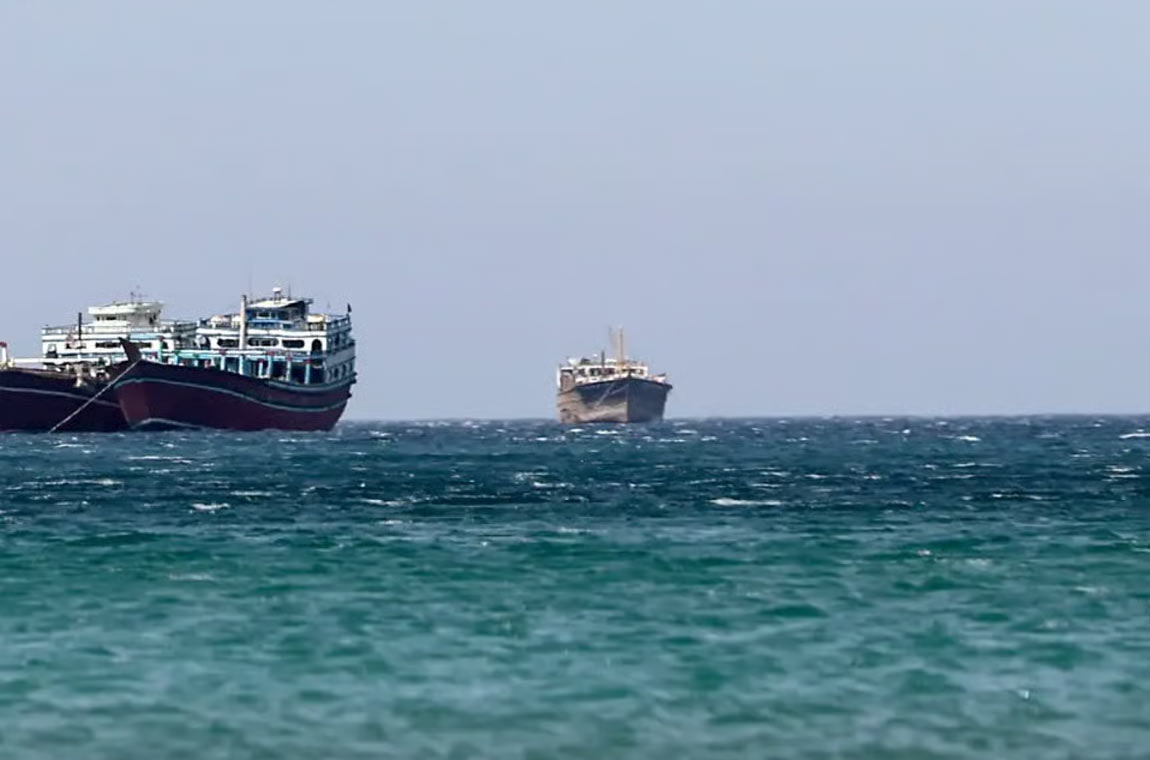
Expert Speak | 05 May, 2026
Cost of Asian Disunity and the Middle East Crisis
Spotlight
- Asia’s geopolitical realities constrain the possibility of forming a coordinated response to the crisis in the Strait of Hormuz
- Asian states have deployed military forces in the region in the past as part of broader multilateral operations, however, demands for Asian owned deployments may become louder
- In the Middle East, Washington will face difficult choices, but for now its presence is expected to persist, offering temporary reassurance to Asian powers
The US – Iran conflict, now extending beyond 60 days, has settled into a stalemate that continues to unsettle the global economy and strategic stability. At the core of this confrontation are two maritime blockades, one imposed by Iran and the other by the United States (US) across the critical waterways of the Strait of Hormuz. The economic repercussions are particularly acute for Asian economies, which face disproportionate exposure due to their reliance on energy imports transiting through the region.
Asian importers of Middle Eastern oil and gas have faced compounded challenges, as the ongoing conflict combined with policy volatility in Washington under President Donald Trump has heightened uncertainty in the realm of energy security.
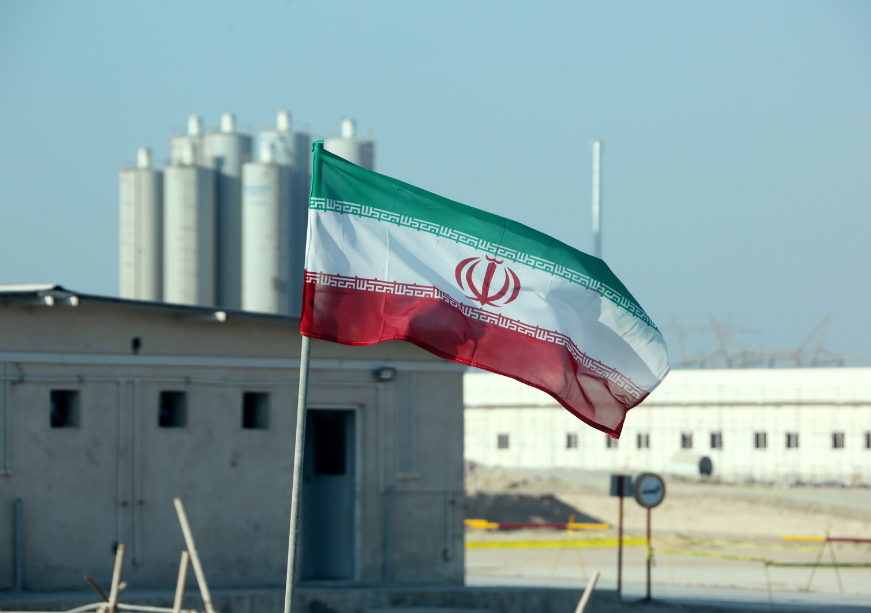
The US and Israeli decision to strike Iran’s nuclear facilities in 2025 and extend the campaign to the country’s military posture in 2026 has generated significant disruption within the global economic system. This shock, was in part, anticipated by Iran itself, which had strategically signalled that any existential threat to its sovereignty and political order would provoke a region-wide instability designed to internationalise the conflict. Analysts have long debated the potential consequences of a blockade of the Strait of Hormuz with some arguing that such a scenario was unlikely given Iran’s own reliance on the waterway for trade, particularly oil exports. However, Tehran’s imposition of a blockade, coupled with efforts to reconfigure navigation routes and introduce a toll structure for shipping, has created a new strategic reality for neighbouring Gulf states. The economic impact has been particularly severe in certain cases; reports indicate that Kuwait, where approximately 90 percent of state revenue is derived from oil, was unable to export any oil during the month of April.
Asian importers of Middle Eastern oil and gas have faced compounded challenges, as the ongoing conflict combined with policy volatility in Washington under President Donald Trump has heightened uncertainty in the realm of energy security. Japan, an ally of the US, has already tapped into its vast strategic oil reserves to ensure stable supplies. Tokyo has added that it can consider adding to minesweeping efforts to clear out the Strait if a ceasefire is sustained. China has in the meantime rejected sanctions on refineries over importing Iranian oil. Beijing has been the largest buyer of Iranian crude over the past few years, benefitting from deep discounts as sanctions chased away other buyers.
Beijing also has a vested interest in ensuring that Iran does not experience a sudden collapse, while simultaneously safeguarding its broader and more substantial economic relations with the Arab states. China’s president Xi Jinping in a call with his Saudi counterpart emphasised that the Strait of Hormuz should remain open. Similarly, India and South Korea, heavily dependent on oil and natural gas from the Middle East, also have prior experience in dealing with not just the region’s geopolitical volatility and its impact on their energy security, but Tehran’s unpredictable conduct in the Strait as well. Both Seoul and New Delhi have previously had vessels detained on charges such as alleged environmental violations, which were widely regarded as politically motivated.
India and South Korea, heavily dependent on oil and natural gas from the Middle East, also have prior experience in dealing with not just the region’s geopolitical volatility and its impact on their energy security, but Tehran’s unpredictable conduct in the Strait as well.
These tactics have been used by Iran to put pressure over issues such as stalled oil payments resulting from international sanctions. India, for long, had over US$6 billion owed to Iran. Financial transfers were blocked due to sanctions. Alternative methods proposed by Iran, such as payments in Chinese yuan or via mediating countries, were rejected due to New Delhi being a signatory to multiple multilateral financial transparency agreements. Other proposals, including opening of Iranian bank branches in the financial capital of Mumbai, were similarly declined. As a result, Tehran resorted to coercive measures such as the confiscation of ships in an attempt to secure leverage, though these efforts ultimately failed to achieve the intended outcomes.
Asia’s geopolitical realities constrain the possibility of forming a coordinated response to the crisis in the Strait of Hormuz. While the Strait’s status as international waters critical to global trade gives it enough credence for countries with similar economic and energy security concerns to work together. However, in practice, even those that have strategic commonalities that go beyond the ongoing crisis, such as Japan and India, both also being part of the Quad group of states in the Indo-Pacific along with Australia and the US, have been unable to converge on a unified approach, limiting the prospects for a stronger and coordinated regional response.
The prospects for a comprehensive Asia-centric approach are further constrained by the ongoing India–China rivalry. Beijing’s vision for a unipolar Asia stands in direct opposition to India’s strategic objectives, reinforcing New Delhi’s alignment with the US, Europe, Australia, and other Western partners in counterbalancing China’s rise. The military confrontation between India and China in the Himalayas in 2020 institutionalised a shift in their bilateral dynamic. While political tensions had long existed, the episode elevated China in Indian public discourse as the primary strategic challenge, displacing Pakistan. Although relations today exhibit a degree of stability, both states—representing the world’s two most populous nations—continue to lack mutual confidence, limiting the potential for consensus on shared concerns such as energy security and access to the Strait of Hormuz.
In the Middle East, Washington will face difficult choices, but for now its presence is expected to persist, offering temporary reassurance to Asian powers for the time being despite the current crisis originating in part from US actions.
Moving forward, Asian economies may be compelled to establish a more substantial, strategic presence in the Middle East. Several of these states have previously deployed forces in and around regional conflicts, albeit for varied reasons and in differing capacities. Despite narratives suggesting otherwise, American power remains undiminished, and the US continues to function as the preeminent global hegemon. In the Middle East, Washington will face difficult choices, but for now its presence is expected to persist, offering temporary reassurance to Asian powers for the time being despite the current crisis originating in part from US actions. In the longer term, reliance on the US may prove unsustainable, a reality underscored by the present conflict. This situation presents both a challenge and an opportunity for the emergence of an ‘Asian consensus’. The question remains, which states will lead such an initiative, and whether Asia as a collective can meet the region’s evolving security demands.
Kabir Taneja is Executive Director, ORF Middle East