 Global

Special Reports | 09 November, 2026 Download Report (PDF)
ORF Global Quarterly: Societies in Transformation
Editors’ Note
In our first issue, ORF Global Quarterly predicted the complex megatrends that are impacting societies and the structures that underpin their survival and growth. Throughout the year, the journal offered expert analyses of the causes of these megatrends, how they have evolved in 2026, and how they may develop in the future.
The identified macro-level geopolitical, economic, environmental, and technological trends also carry micro-level implications. This fourth issue explores the trends that will have some of the most substantial impacts on the everyday functioning of societies and populations in the Global South, from living conditions to employment, food security, and overall socio-economic resilience.
Caroline Arkalji and Anasua Basu Ray Chaudhury examine how conflict and climate change are leading to increased patterns of South–South migration, and recommend a coordinated policy response to internal displacement and cross-border movement.
In the second article, Dhaval Desai argues that Asia and Africa will be at the forefront of the next urban boom, which will be consequential. Massive growth, increasing demand for limited resources, and impacts of climate change will put greater pressure on Global South countries to manage this evolution in an equitable and coordinated way, and technology will play an important role.
Arpan Tulsyan then follows with an essay that looks at the interlinkages between education, skills, and the labour force, and how advances in artificial intelligence and digitalisation could increase access to education and alter the required skills in ways that reshape the labour market.
In the fourth essay, Akram Zaoui explores the rise of digital gig work in the MENA region—more specifically Egypt, Jordan, Morocco, and Tunisia—and examines what governments, employers, and labour organisations can do to establish safe and fair standards.
Oommen C. Kurian’s article analyses current trends in global health and examines whether greater national health sovereignty leads the world closer to achieving health equity, especially amidst fiscal constraints and severe cuts in public financing.
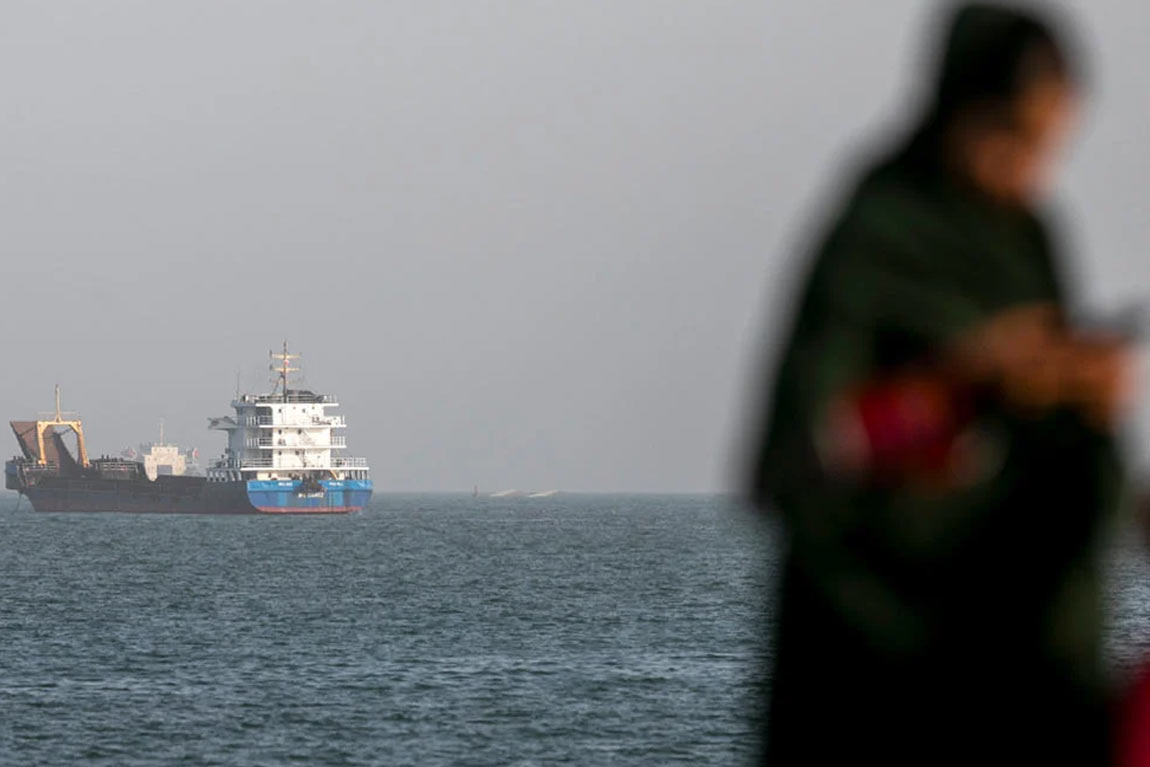
In the final article, Shruti Jain and Leigh Mante examine how the US-Israel-Iran conflict and attacks on Ukrainian and Russian ports have disrupted global food, fertiliser, and energy supply chains. Coupled with the impacts of “Super El Nino” in 2026-2027, which is expected to bring floods and drought alike to many agricultural regions, the threat of a food crisis is growing. Can regenerative agriculture provide a way to build resilience and diversification into a vulnerable agricultural sector?
This issue closes the year of ORF Global Quarterly’s megatrend analysis. We thank our readers for their interest and engagement, and look forward to continuing the research and conversation in 2027.
Read the journal here.