 Global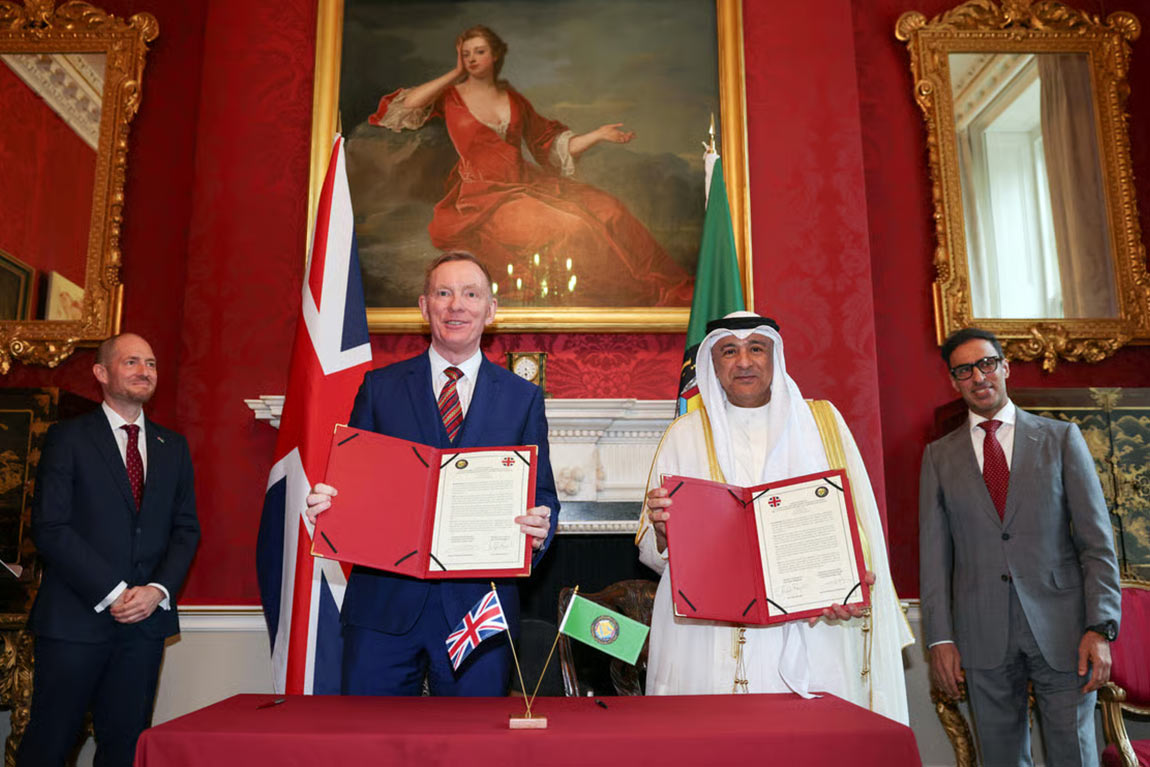
Expert Speak | 18 June, 2026
Why the UK–GCC Trade Deal Matters
Spotlight:
- The UK-GCC FTA enhances the Gulf’s attractiveness as a destination for FDI and facilitates greater mobility for UK Professionals.
- The agreement reflects the Gulf States’ strategic economic planning amid regional instability and reinforcing the credibility of the GCC customs union and collective trade negotiations, while preserving scope for future bilateral arrangements.
- The deal marks a departure from highly conditional and intrusive Western trade negotiations toward a more pragmatic approach that still accommodates progressive concessions, potentially serving as a template for future GCC agreements with other Western partners.
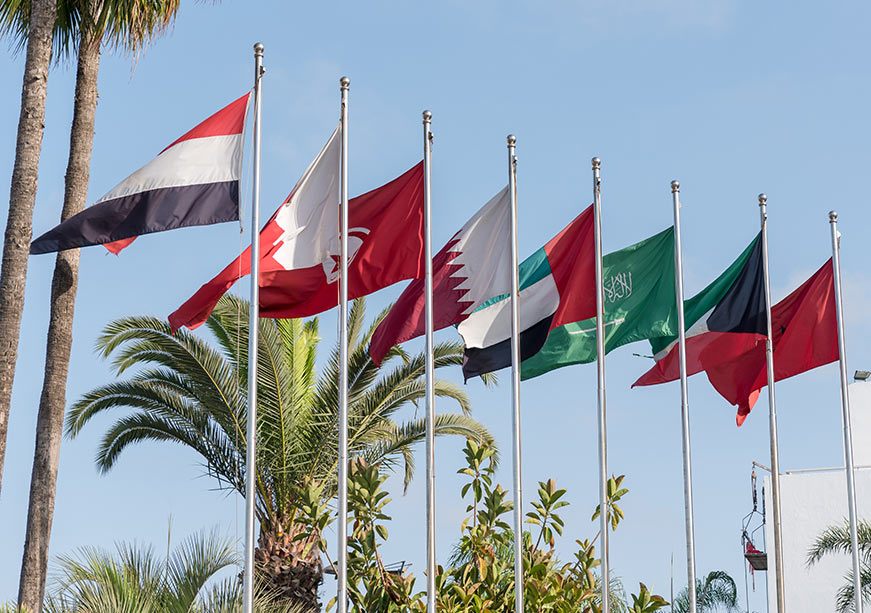
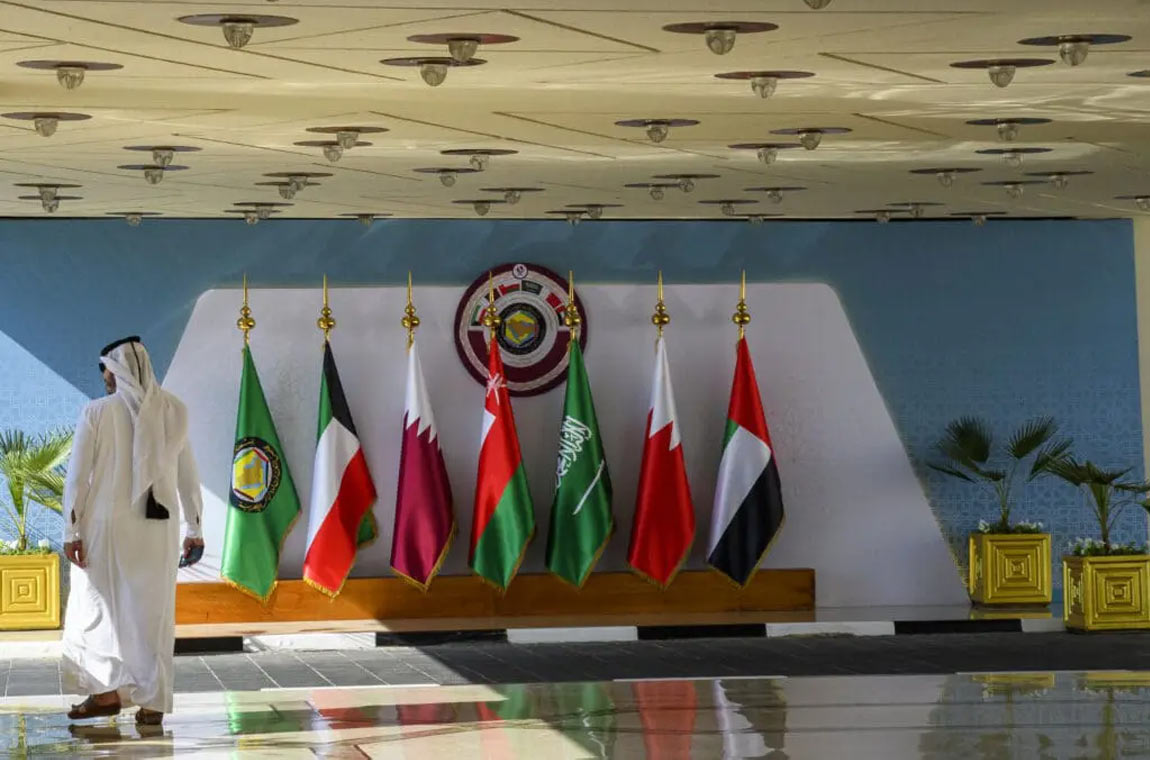
The conflict that ensued between Iran, the United States (US) and Israel on February 28, 2026, led to indiscriminate Iranian aggression on the Arab Gulf States. Much attention has focused on the potential economic consequences for the region. Yet the conclusion of negotiations for a Free Trade Agreement (FTA) between the United Kingdom (UK) and the Gulf Cooperation Council (GCC) on 20 May 2026 highlights the Gulf states’ capacity for long-term economic planning even amid geopolitical instability. The agreement also represents a vote of confidence in the GCC’s economic integration efforts and signals positive prospects for further trade deals in the future. For the Gulf, it marks an important milestone as the first collective agreement with a G7 nation. On its part, the UK invested considerably in securing the trade deal, not only through diplomatic engagement among royal families, but also by appointing a dedicated Trade Commissioner. For the UK, the agreement constitutes a key step in diversifying and strengthening trading relationships in the post‑Brexit era.
On its part, the UK invested considerably in securing the trade deal, not only through diplomatic engagement among royal families, but also by appointing a dedicated Trade Commissioner.
Unlocking Economic Opportunities
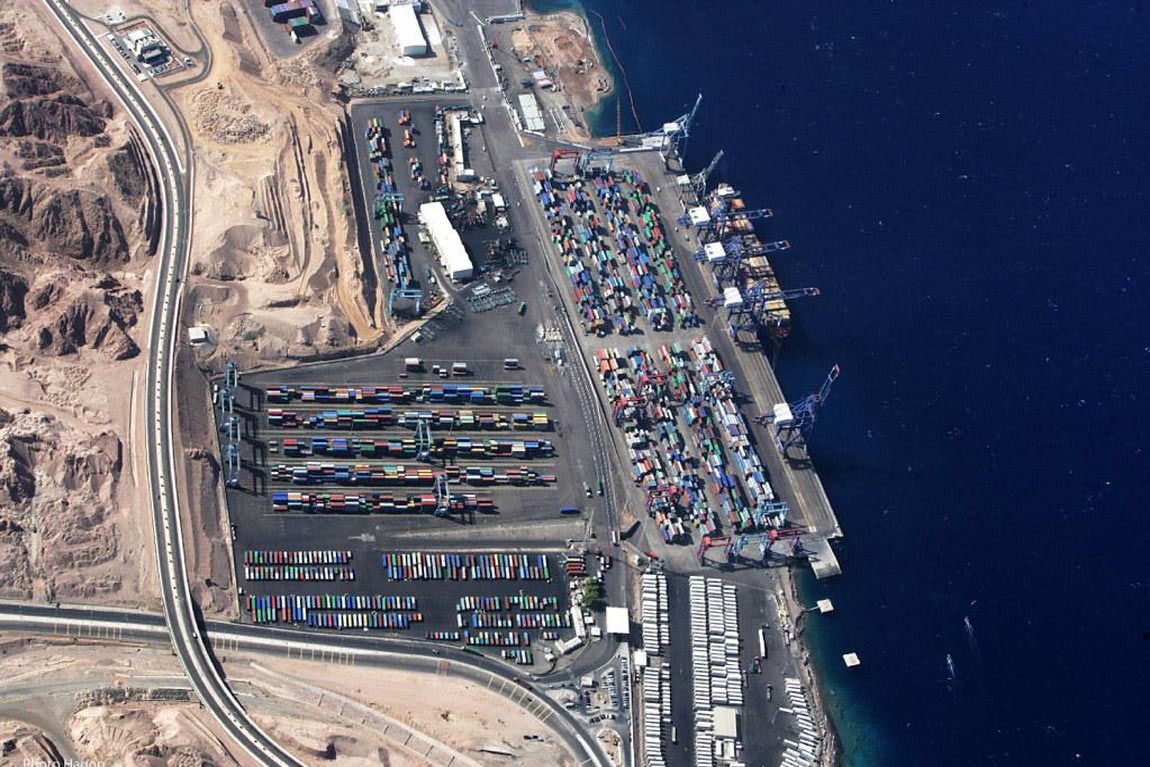
The FTA is likely to strengthen the Gulf’s attractiveness as a destination for Foreign Direct Investment (FDI). Companies seeking access to the UK market while establishing a base in the Gulf stand to benefit directly, as the agreement eliminate tariffs on all current exports to the UK from the outset. The UK has also committed to streamlined customs procedures offering clearance within 48 hours, and release of perishable goods in under 6 hours. The FTA promises a 20 percent increase in a trading relationship that had reached US$70.6 billion pre-agreement, according to UK Statistics. A portion of this projected growth is likely to be driven by increased investment flows alongside higher trade volumes.
For the first time, the Gulf States have collectively conceded several longstanding points of contention. As part of the deal, British companies operating in the Gulf can store financial services data abroad, without adhering to strict data localisation standards. Additionally, the deal also extends investment protections to member states that do not already have longstanding investment treaties with the UK. All these developments are set to ease the flow of investment from the UK to the Gulf States. At the same time, the FTA offers notable opportunities for London. In the services sector, British legal, financial and engineering firms are expected to increase their contracts, particularly in connection with the Gulf’s infrastructure development projects Building on this, the easing of visa requirements for professionals is expected to further attract UK human capital to the Gulf States alongside the companies anticipated to establish operations there. This development will reinforce the people-to-people ties beyond the already close relationship between the governments, while even temporary business visitors will benefit from greater mobility. For context, in 2024, there were over 400,000 business visits made from the UK to the Middle East, with that number set to increase with ease of mobility and a likely increase in connectivity links. Additionally, prior to the conflict that ensued on February 28, 2026, an estimated 300,000 British citizens resided in Gulf countries, though this number may have since declined. As an additional benefit for British residents in the region, UK food and beverage products are set to become less expensive, and more available due to tariff reductions. This change will also appeal to Gulf nationals influenced by London’s soft power, eager to consume the same products they encounter during visits to the UK in their own domestic markets.
Building on this, the easing of visa requirements for professionals is expected to further attract UK human capital to the Gulf States alongside the companies anticipated to establish operations there. This development will reinforce the people-to-people ties beyond the already close relationship between the governments.
The FTA’s Many-to-One Spirit
While the deal has been in the works for four years and has spanned four British Prime Ministers since negotiations formally started in June 2022, it is notable that it has been signed in the shadows of the Iran conflict. The timing of the agreement suggests that regional instability may be reinforcing the incentive for greater Gulf economic coordination rather than undermining it. For a while, some consideration had been made to pursue an FTA between the UK and solo Gulf countries, such as the UAE. The UAE has had success with pursuing individual agreements outside the GCC bloc, and the UK was reportedly urged by some advisers to consider such a partnership with the UAE or other Gulf countries.
However, the British government made it clear in its parliamentary communications that “UK businesses have expressed a strong preference for an FTA with the GCC as a whole,” and that a “GCC-wide FTA would provide more aligned trading arrangements for UK companies across the region, as opposed to a patchwork of different agreements with different arrangements for each GCC country.” Similarly, experts consulted in the International Trade Committee of the UK House of Commons addressed this topic, noting that the GCC had “set its rules internally” and assigned an individual to lead its multilateral negotiations, making it easier for the UK to pursue a bloc level agreement than bilateral agreements.
Moreover, while a blanket deal has been reached with the GCC as a bloc, space has been left for bilateral negotiations on certain sticking points. This is evident in the case of differentiated agreements on access to Gulf government procurement markets. The UAE has agreed to guarantee access to the whole market, in addition to allowing UK suppliers to apply for certification as ‘In-Country Value’ suppliers, which can grant a competitive advantage of up to 25 percent in the evaluation of Emirati public contract bids. On its part, Bahrain has also agreed to include UK suppliers’ access to high-value contracts in the transport and infrastructure sectors, in addition to granting UK Small and Medium Enterprises with presence in Bahrain a 10 percent price preference and simplified procurement processes. However, other GCC states have not reached similar agreements as part of the deal, and will negotiate similar conditions within two years bilaterally with their British counterpart.
Pragmatism Over Conditionality
British policy has also become more constructive in the lead up to this deal. A key source of friction between the Gulf States and London has been the vast accumulation of property and companies in the UK, causing a tension arising from Gulf financial influence. This has led to questions in the UK on whether foreign states from differing forms of government ought to have such influence over the British economy. Such a friction seeped into discussions on the trade deal, and whether the UK should wield ideological provisions as part of negotiations, to cater to the campaigners posing those questions.
The timing of the agreement suggests that regional instability may be reinforcing the incentive for greater Gulf economic coordination rather than undermining it.
In 2023, the UAE Minister of State for Foreign Trade of the United Arab Emirates, Dr. Thani bin Ahmed Al Zeyoudi, had been quoted as saying that the UK and other western countries must “tone down” standard human and workers’ rights provisions in trade deals “if they want more market access and more business opportunities”. Since then, the UK appears to have changed tonality, with the House of Lords trade minister Baroness Jones saying that although the UK was a “leading advocate for human rights around the world … this work takes place separately to negotiations on free trade agreements,” and that “aspects of trade policy can provide the opportunity to address other issues in a bilateral relationship, free trade agreements are not generally the most effective or targeted tool to advance human rights issues”.
This more pragmatic approach appears to have helped negotiations reach a conclusion while avoiding some of the obstacles that have slowed previous GCC trade discussions with Western partners. Still, this has not been without pushback from several campaigners in the UK making the case against an FTA with the GCC based on the lack of intrusive conditions. This is why, on its part, the UK Government Press Release highlighted that the FTA reached “a package of commitments on environment, labour, women’s economic empowerment, and animal welfare that go further than anything the GCC has agreed before in an FTA”. Indeed, the agreement will contain the first anti-corruption provisions ever to be agreed by the GCC in an FTA as well as first-time provisions on animal welfare and anti-microbial resistance. Moreover, the GCC has committed to provisions on enhancing women economic empowerment as part of the deal. For other western countries, including the large European Union bloc which has had stalled negotiations with the GCC, the UK-GCC FTA showcases a model of Western-Gulf collaboration that does not step into overly intrusive provisions.
Conclusion
Due to differing forms of governance, the Gulf States are likely to have a faster ratification process. Though the Gulf is no monolithic actor, the differing priorities on trade agreements typically surface during negotiations, but once talks conclude, the pace of ratification tends to be similar across states. On the British side, there remains a risk of slow ratification. The FTA must undergo several scrutinising layers of scrutiny and oversight, including review by the Trade and Agriculture Commission, food standards bodies, and Parliament. Although these checks are standard, they could delay the agreement’s economic benefits, making timely ratification important—particularly as the FTA may take up to a year to enter into force after ratification.
Mahdi Ghuloom is Junior Fellow, Geopolitics, ORF Middle East.
The author acknowledges the use of ChatGPT 5.5, which provided minor refinements to grammar and phrasing.