 Global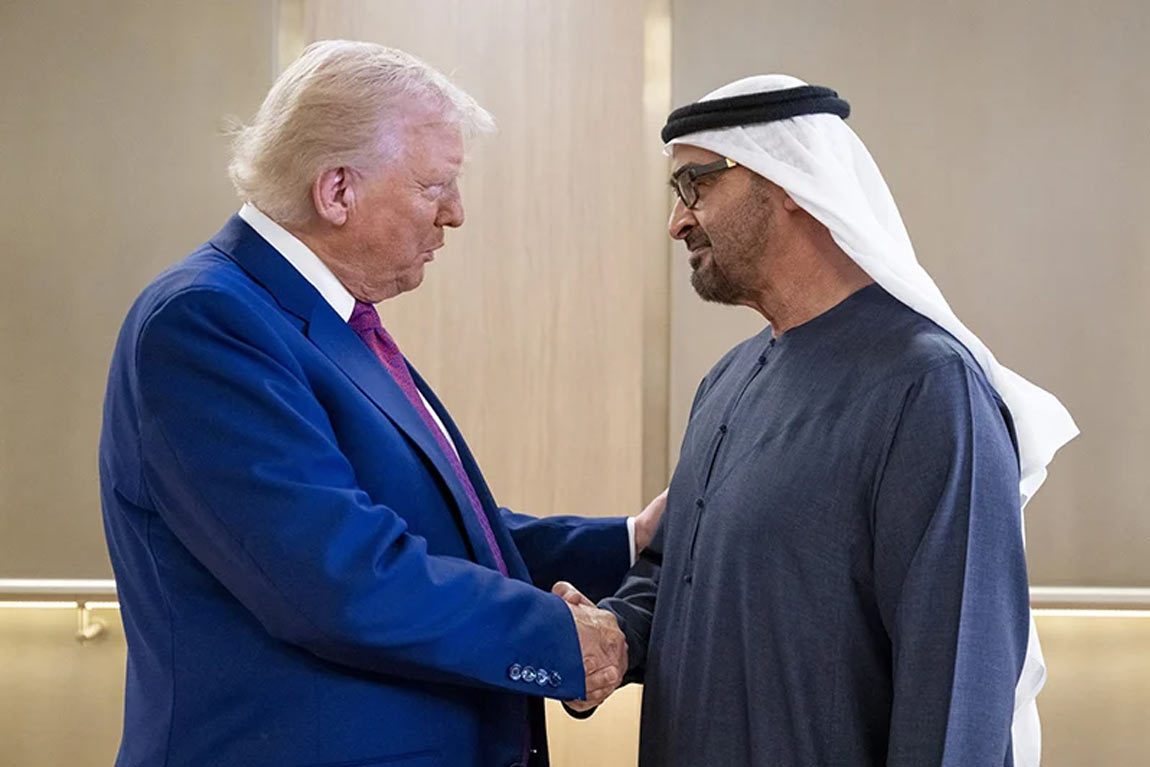
Expert Speak | 17 July, 2026
The UAE: Connectivity, Tolerance, and the Abraham Accords Paradox
The following excerpt is from Chapter 6 — Whither the Board of Peace? Perspectives from Washington and the Gulf.
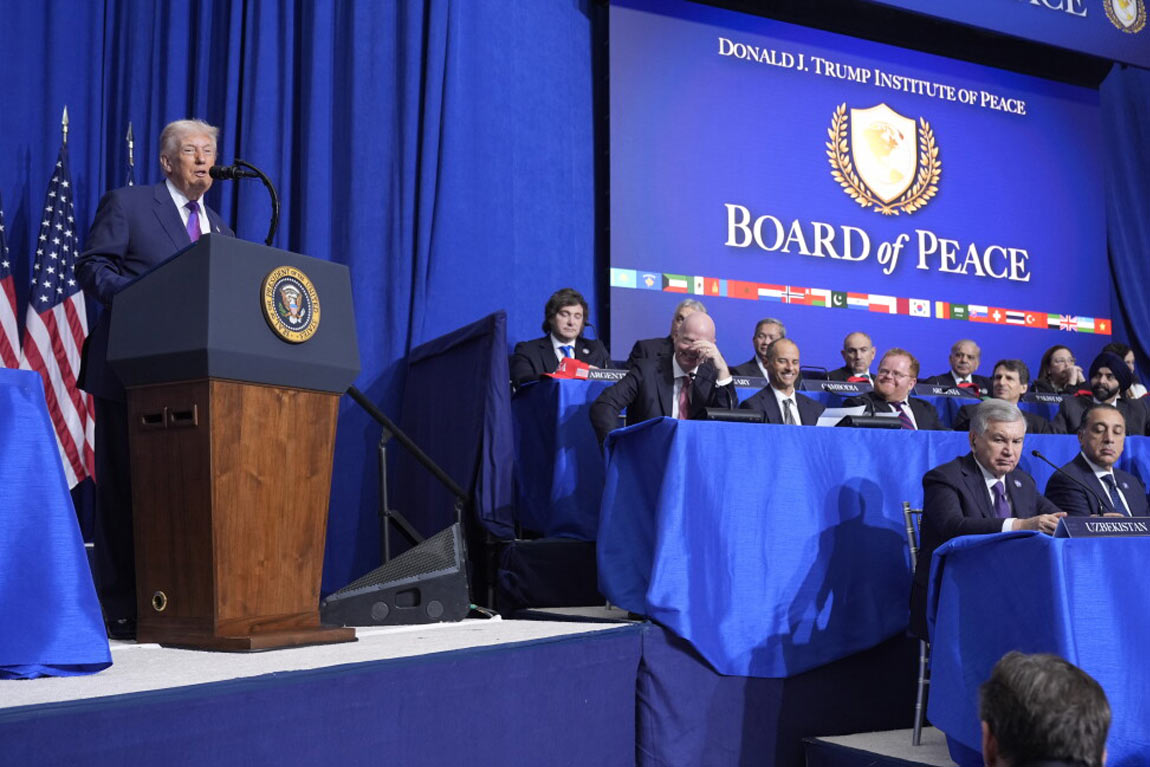
The Gaza Strip is facing one of the most complex phases in the Palestine–Israel conflict, as attention has shifted from ending the war to shaping what follows. Experience shows that temporary ceasefires without a lasting political and security framework often only lead to renewed violence. In response, the United States (US)-led Board of Peace proposes managing Gaza’s transition through security, reconstruction, and civil governance, with regional and international involvement.[1] This initiative reflects broader changes in crisis management in the Middle East. Within this context, the United Arab Emirates (UAE) has emerged as a key potential contributor, raising questions about its role, foreign policy priorities, and alignment with the US.
The UAE’s Diplomatic Philosophy: From Crisis Management to Lasting Stability
The UAE’s role in the Board of Peace reflects its broader diplomatic strategy of proactive crisis management that aims to address conflicts before they escalate. In recent years, Abu Dhabi has prioritised de-escalation, building bridges of communication and strengthening stability through economic development and humanitarian action. This approach has been reflected in several important moves, most notably the normalisation of relations with Israel within the framework of the Abraham Accords (2020),[2] the opening of diplomatic dialogue channels with Iran, and various social and humanitarian initiatives, particularly in Gaza.
The UAE views the Peace Board not merely as a mechanism for managing the post-war phase, but as an opportunity to reshape the approach toward the Palestine issue. This involves shifting focus from managing recurring crises to building longterm stability through reconstruction, improving humanitarian conditions, and creating a more stable political environment. This outlook aligns with the UAE’s ‘connectivity agenda’, a pillar of its foreign policy based on keeping channels of dialogue open with various regional and international actors and working with them within a cooperative framework that supports mutual development and prosperity.
A Historical Commitment to the Palestinian Cause
Since its establishment in 1971, the UAE has been one of the most prominent supporters of the Palestinian cause and the two-state solution, which it views as the most realistic path to achieving just and sustainable peace in the Middle East.[3] This vision stems from a conviction that temporary truces or de-escalation efforts without genuine political and developmental solutions serve neither the Palestinians nor the Israelis. Instead, they leave the roots of the conflict unresolved and make its recurrence likely.
From the UAE’s perspective, peace does not simply mean establishing diplomatic relations or signing political agreements. It also requires creating a serious space for discussion on the fundamental issues that have long remained unresolved, most notably the future of a Palestinian state and the broader question of regional stability. Therefore, the UAE views any opportunity for peace, including initiatives related to Gaza, as a window to bring parties to the negotiating table and initiate responsible discussions on addressing the causes of the conflict. De-escalation in Palestine does not only mean calming a local conflict arena; it represents a crucial step toward reducing tensions across the Middle East as a whole.
The Abraham Accords
In this context, the Abraham Accords emerged as part of a broader Emirati vision aimed at promoting the values of tolerance and coexistence and opening new channels for dialogue in a region long dominated by divisions and conflict.
An important step toward reshaping relations across the region, the Accords are premised on opening dialogue channels and promoting regional integration. However, Israel’s continued military operations—in Gaza, Lebanon, and now against Iran—raise critical questions about whether diplomatic and economic normalisation provides the UAE with meaningful leverage over Israeli conduct. Abu Dhabi’s diplomatic access has not translated into restraint on Israeli military actions, suggesting that the Accords’ utility as a moderating force remains limited. The initiative showed initial promise when then Israel Prime Minister Yair Lapid endorsed “two states for two peoples” in his 2022 UN General Assembly speech, which many attributed to normalisation’s moderating influence.[4] Yet the combination of Netanyahu’s return to power with a hardline coalition and the events of 7 October 2023 reversed that trajectory. The UAE, nevertheless, appears to calculate that sustained engagement, even without immediate behavioural change, preserves long-term influence that isolation would forfeit.
The Board of Peace: A Diplomatic, Not Military Platform
The UAE’s support for the Board of Peace is closely tied to shifts in US policy during the Trump administration, which encourage greater regional involvement in managing Middle East crises. This approach has emphasised partnerships and linking peace to economic cooperation, a strategy clearly reflected in the Abraham Accords. In line with this, the UAE views the Board as an opportunity to reinforce the Emirati approach of transforming challenges into opportunities and replacing instability with stability.
Within this framework, the concept of the Board of Peace aligns with a broader vision that achieving stability in the post-war phase cannot rely solely on traditional international mediation. Rather, it requires active participation from regional states and the international community to support reconstruction and strengthen political and economic stability. Here, the UAE stands out as a partner capable of contributing to these efforts, drawing on its experience in humanitarian action and development initiatives, and its growing diplomatic role in the region.
The UAE seeks to play a diplomatic, developmental, and humanitarian role in the Board rather than a purely security-focused one. Critically, it has made clear it will not contribute military or security forces to Gaza’s stabilisation.[5] Abu Dhabi’s role centres on diplomatic facilitation, reconstruction funding, and humanitarian support. This represents a shift from its initial conditional support for the International Stabilization Force, which Abu Dhabi tied to a clear mandate built on Hamas’ agreement to surrender its weapons. Without such guarantees and corresponding commitments from partner countries, direct security involvement would expose Emirati forces to operational risks while potentially undermining the UAE’s positioning as an honest broker. In these circumstances, the UAE prefers its contribution to remain in civilian domains where it has proven expertise.
More broadly, the importance of the Board also lies in the possibility that it could establish a precedent for an organised security role for Arab and Islamic countries in supporting stability in Gaza. Such participation could help build greater trust among the different parties. The involvement of regional states in security, humanitarian, and administrative arrangements could provide practical guarantees that strengthen stability and reduce fears of renewed cycles of violence. In this context, the Board of Peace could become an important component of future arrangements related to the establishment of a Palestinian state, particularly given the security concerns expressed by Israel regarding the possibility that such a state could become a security threat. Through a coordinated regional role that supports stability, such mechanisms could contribute to creating a more balanced environment that helps advance political settlement efforts.
Challenges and Prospects
‘Operation Epic Fury’ against Iran in late February 2026 has fundamentally altered the regional context in which the Peace Board operates. With Israel—the UAE’s Abraham Accords partner—leading military operations that threaten Gulf security through Iranian retaliation, Abu Dhabi faces uncomfortable tensions between its normalisation commitments and its threat perceptions. The war has disrupted momentum on Gaza reconstruction, diverted attention and resources, and raised questions about whether the UAE’s connectivity agenda can withstand regional military escalation. Whether this causes the UAE to recalibrate its approach to peace—prioritising de-escalation over development—remains an open question that the BoP’s trajectory will help answer.
The success of the Board of Peace could mark a turning point in the Middle East if it shifts Gaza’s post-war phase from crisis management to building lasting stability. By establishing effective governance, advancing reconstruction, and improving humanitarian conditions, it could reduce tensions with Israel and limit repeated escalations. Greater stability may also curb external interference and create space for a more balanced political process. This approach aligns with the UAE’s perspective that addressing the root causes of crises, rather than simply containing their consequences, is the most realistic path to achieving lasting peace in the region. If the initiative succeeds, it could help revive the two-state solution and support the creation of a Palestinian state, fostering broader regional stability.
Hamdah Al Kindi is Senior Researcher, Dubai Public Policy Centre (B’huth).
[1] Willem Marx, “Trump Signs Board of Peace Charter at Davos as Allies Split on Gaza Plan,” NPR, January 22, 2026, https://www.npr.org/2026/01/22/g-s1-106799/ board-of-peace-gaza-trump.
[2] Jeremy Bowen, “Five Reasons Why Israel’s Peace Deals with the UAE and Bahrain Matter,” BBC News, September 15, 2020, https://www.bbc.com/news/world-middleeast- 54151712.
[3] “FNC: Palestinian Cause Key to UAE’s Foreign Policy,” Sharjah 24, February 22, 2025, https://sharjah24.ae/en/ Articles/2025/02/22/d75.
[4] “Full Text of Lapid’s 2022 Speech to the UN General Assembly,” The Times of Israel, September 22, 2022, https:// www.timesofisrael.com/full-text-of-lapids-2022-speechto- the-un-general-assembly/.
[5] Patrick Wintour, “UAE Refuses to Join Gaza Stabilisation Force Without Clear Legal Framework,” The Guardian, November 10, 2025, https://www.theguardian.com/ world/2025/nov/10/uae-says-it-will-not-join-gazastabilisation- force-without-clear-legal-framework.