 Global
Special Reports | 27 July, 2026
ORF Global Quarterly | Energy and Tech: Powering the Future
Editors’ Note
Welcome to the third issue of the ORF Global Quarterly. We asked ORF scholars across our three geographies of India, Middle East, and America, to revisit the prognoses that they made in the technology and climate and energy domains for the first issue of this journal published in January this year. They re-examined the nine megatrends that were identified, assessed the current landscape, and provided insights on how those trends are likely to progress in the last six months of this year and how Global South countries can navigate them.
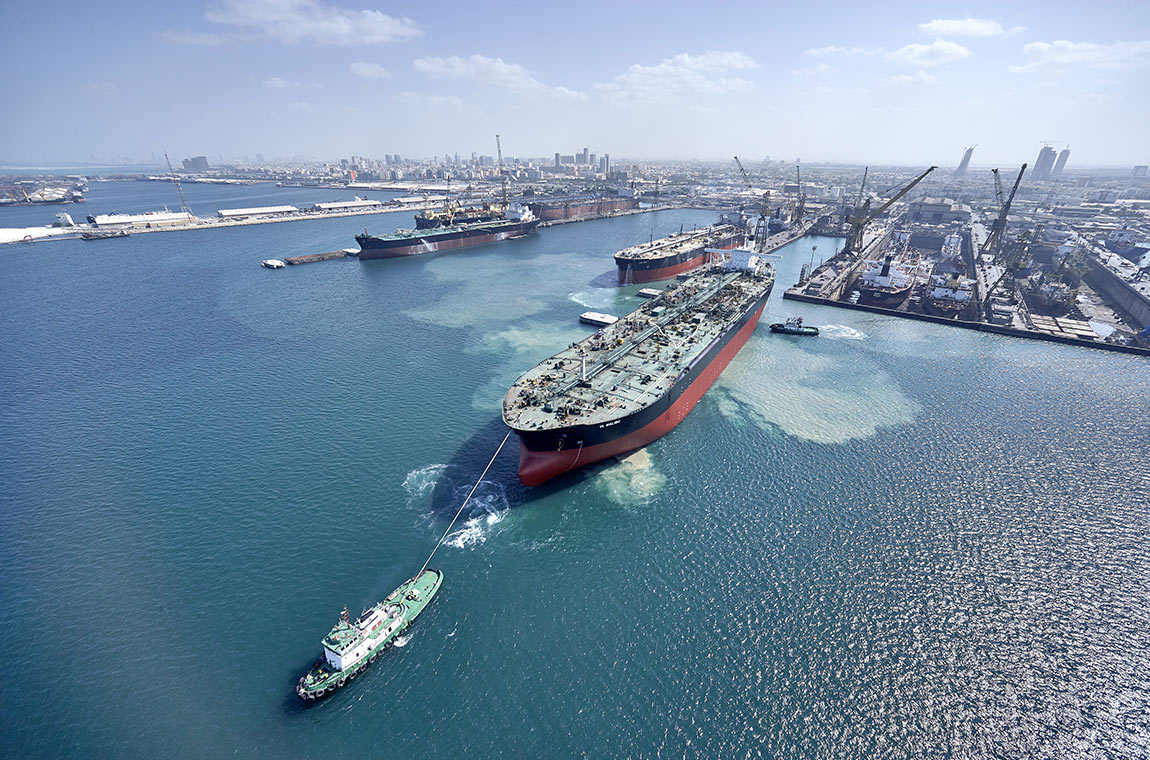
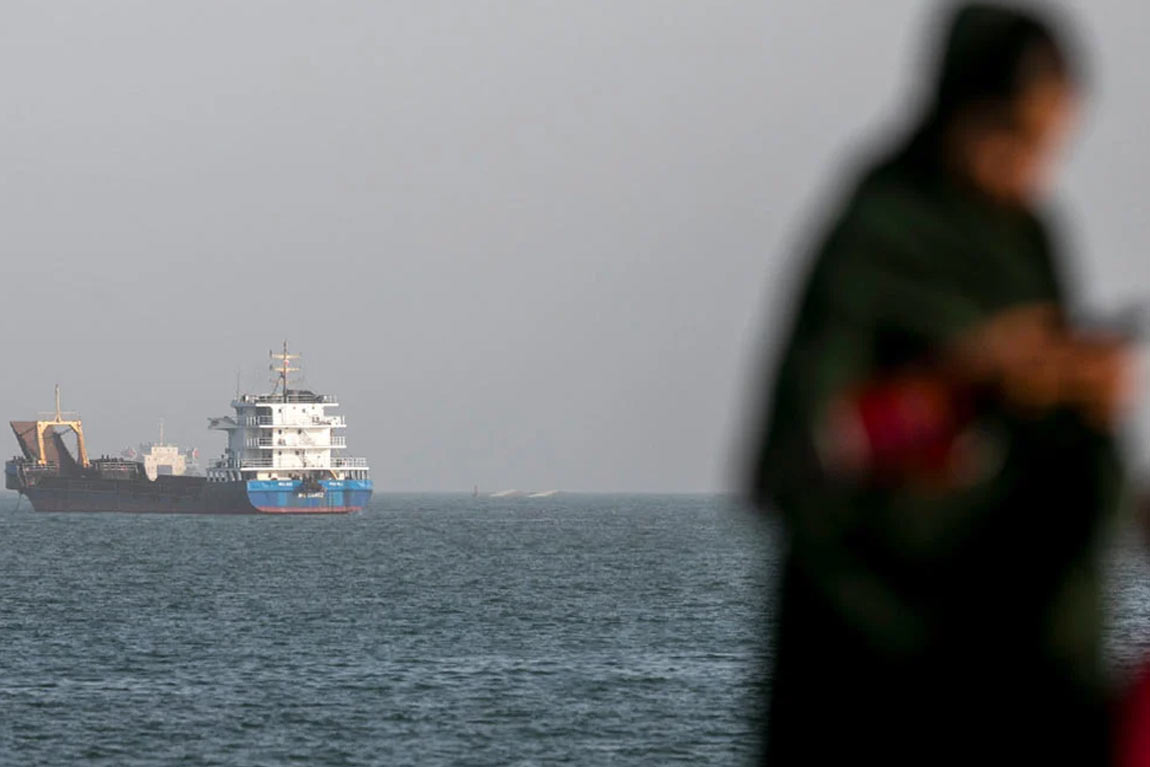
World events whose scale and magnitude may have been unpredictable have greatly impacted the trajectory of several trends, most notably the US-Israel war on Iran, Iran’s retaliatory strikes, and blockades of the Strait of Hormuz. The war has disrupted global supply chains and the advancement of AI by raising the costs of building and powering the infrastructure demanded by it. To understand further the impacts of these events, read the articles, Building AI into the Energy Future and Choke Points: How Security and Politics Are Impacting Supply Chains. Another surprise was when access to advanced AI models Mythos and Fable were removed for non-American nationals due to national security and cybersecurity concerns. This is one example that highlights fragmentation in AI development, deployment, and access—a topic that is explored in this issue.
We are also living through one of the Earth’s hottest years on record. In this complex environment, characterised by record-breaking climate extremes, our authors examine the growing energy demands placed by AI data centres on electrical grids and water resources, the impacts of extreme weather events, and who will pay for building a climate-resilient future. At a time when actors on the world stage should be coming together to solve these fundamental problems, our authors see deepening and troubling divergences in speed and priorities, and raise questions about who should bear the costs for the solutions. Increasingly, Global South leaders are asking how to finance, build, and benefit from technology advancements and the energy structures needed to power them.
This issue also examines specific trends that could have considerable impact in the next few years: 1) breakthroughs in quantum computing; 2) advancements in spintronic energy sources (and how the Global South could be missing out); and 3) digital currencies, which have moved beyond a “tech-bro” fad talked about on social media to 146 countries developing their own central bank digital currencies (CBDCs).
Throughout the publication, authors explore the potential developments that could alter, reverse, or accelerate the trends’ trajectories in 2026 and how Global South countries could actively shape them in line with their own priorities, perspectives, and strengths. The authors draw on examples from Global South countries to illustrate their findings, highlighting common patterns and differences in priorities, strategies, and capabilities.
Indeed, many Global South countries have considerable advantages. On the supply side, they have many of the resources, including the critical minerals, needed to power the technology revolution; and on the demand side, they are demographic powerhouses with the highest concentration of AI users. These strengths should allow them to act with agency rather than being mere bystanders to the impacts of these unfolding trends. By recognising the challenges that lie ahead, understanding their individual strengths, and exploring cooperation opportunities, Global South countries have a greater chance to leverage to their advantage the trajectories being taken by these trends.
Read the journal here.
Sharon Stirling is Chief Operating Officer, ORF America and Director, ORF Global.
Eszter Karacsony is Non-Resident Fellow, ORF Middle East.
All views expressed in this publication are solely those of the authors, and do not represent the institution, its affiliates, or partners.