 Global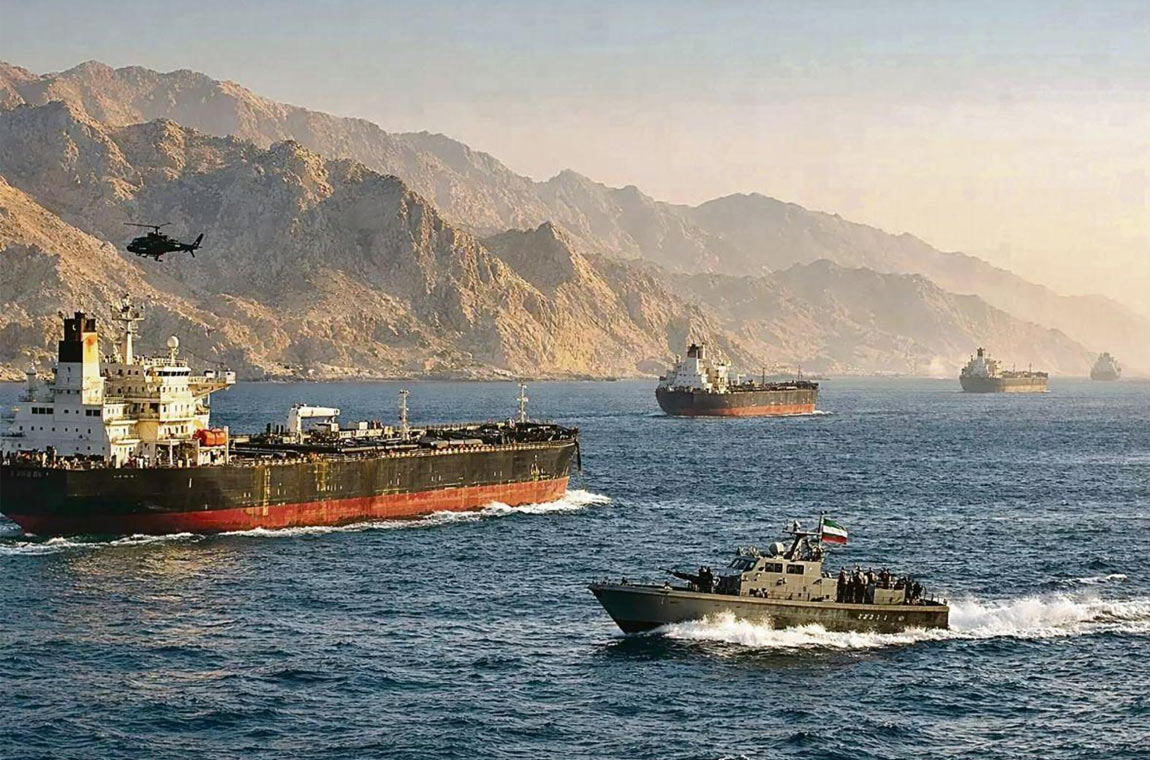
Expert Speak | 09 September, 2026
Navigating Solutions to the Strait of Hormuz Blockade
Spotlight
- The US’s inability to break Iran’s enforced closure of the Strait of Hormuz has made it clear that the deployment of military force will not work, and moreover, carries an escalation risk.
- While there are proposals to restore freedom of navigation by considering Iranian demands for fees and territorial control, the feasibility of these proposals remain uncertain due to Iran’s sanctioned status and established international laws that call for freedom of transit.
- This gridlocked situation has forced maritime operators and the Gulf states to implement innovative ad hoc solutions to continue maritime trade in the Hormuz.
The ongoing Iranian closure of the Strait of Hormuz is the most contentious issue between the United States (US) and Iran. Its non-resolution has prolonged the war between the nations. Fundamentally, Tehran is demanding full control over maritime transit in the Hormuz, with intentions to capitalise financially on transits by imposing tolls on all vessels, while allegedly barring transit by US- and Israeli-owned and operated ships. In turn, the US has asserted that the Hormuz is open and free for all transiting ships, while barring Iranian vessels under a reciprocal blockade of Iranian ports.
These irreconcilable stances have instigated repeated cycles of escalation by both countries that now follow a predictable pattern: Iran strikes transiting vessels, the US attacks Iranian military positions, and Iran retaliates by launching missiles and drones at the Gulf states, which provokes more reciprocal US attacks against Iran. To break these cycles, several proposals have been raised, yet two critical questions need to be addressed: What are the proposed solutions for maritime control over the Strait of Hormuz? Are they politically and practically feasible for operators?
The Iranian Strategy of Control in the Hormuz
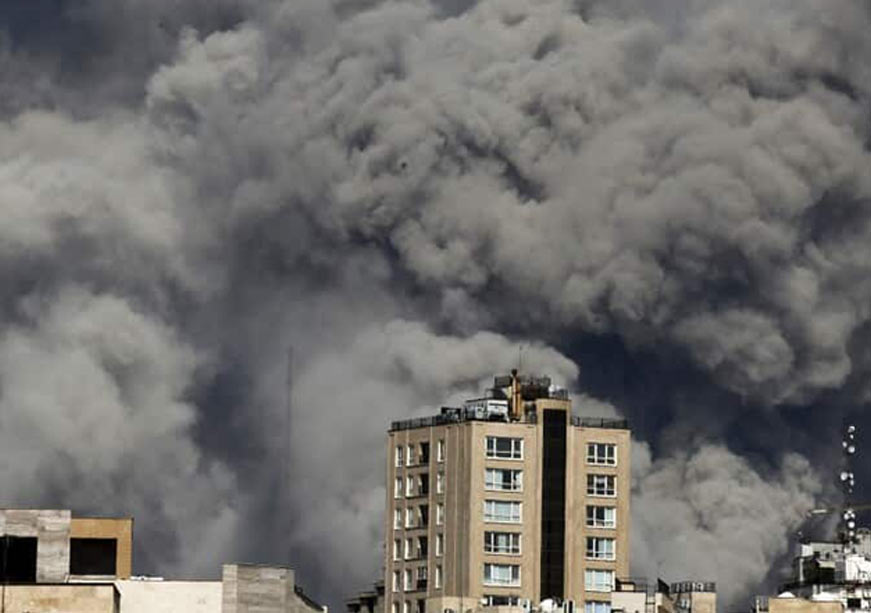
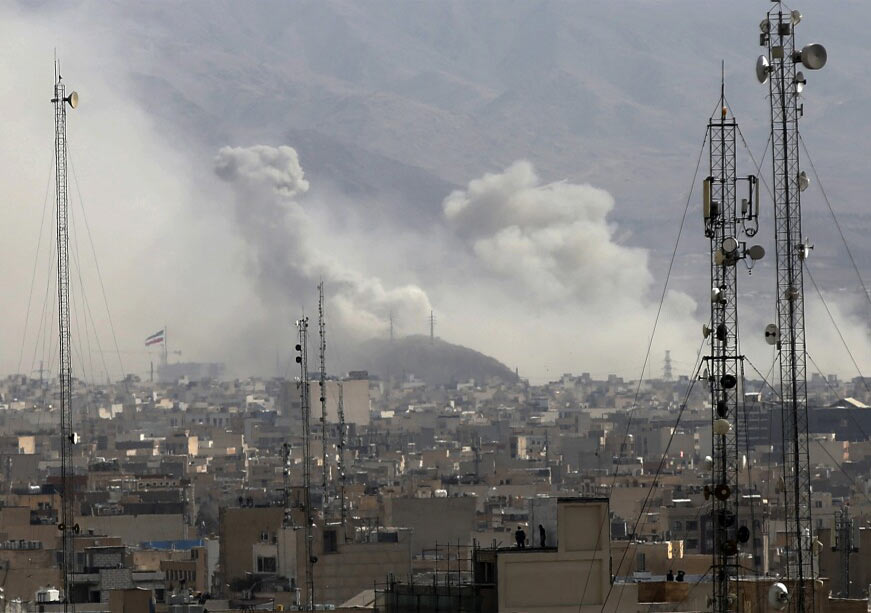
The deployment of military force to restore freedom of navigation in the Hormuz has not only failed but also carries an escalation risk that endangers regional stability through Iranian attacks on the Gulf nations and the wider Middle East. The US’s strikes against Iranian missile installations and its deployment of three aircraft carrier strike groups to blockade the latter have altogether failed to restore freedom of transit in the Hormuz.
This means that the possibility of a maximalist restoration of prewar freedom of navigation in the Hormuz remains uncertain. Fundamentally, as long as Iran maintains its missile and drone capabilities and ability to attack at will, any agreement even to secure basic transit in the Hormuz will be forced to acknowledge Iranian demands. This outcome was apparently intended by Iranian war strategists, as attacks against the Gulf states and maritime shipping throughout the war raises Iran’s leverage while limiting options for the US and its partners.
US’s strikes against Iranian missile installations and its deployment of three aircraft carrier strike groups to blockade the latter have altogether failed to restore freedom of transit in the Hormuz.
In specific terms, Iran plans to control the Hormuz through the Persian Gulf Strait Authority (PGSA), an Iranian government agency established in May 2026 to oversee specific procedures for ships transiting the Hormuz. To obtain a “transit permit” for safe passage, ships have to submit vessel details, voyage information, and “supporting documentation” through the PGSA online portal for preliminary review. After approval, applicants will receive payment instructions for “transit tolls and administrative fees.” Once these are paid, a transit permit will be issued. It was reported that Iran had sought fees of between 5 and 7 percent of the cargo price.
These conditions are unacceptable for most countries and the shipping community, as the right to transit passage in international straits is provided for under the United Nations Convention on the Law of the Sea (UNCLOS). This explains the repeated attempts to circumvent Iranian maritime control and defy the prescribed Iranian routes and PGSA procedures. In April, three Omani tankers crossed the Hormuz, bypassing the Iranian blockade, by using a southern route in Omani territorial waters close to its coastline. On 24 June, Oman, supported by the United Nations’ International Maritime Organisation (IMO) and the US, attempted to formalise this alternative lane within its territorial waters, allowing ships to bypass Iranian-designated routes. In a bid to reinforce control of the Strait, Iran conducted strikes on ships using the Omani route, rendering the route unpassable due to extreme risk. New counterproposals have since emerged to calibrate the Iranian demands.
How Feasible are the Counterproposals?
One prominent alternative is the joint-administration model highlighted on 10 July 2026 by the London-based Bourse and Bazaar Foundation, which proposes shared administration of the Hormuz by the littoral Gulf states and Iran and limiting charging of administrative fees only to Very Large Crude Carriers (VLCC) oil tankers, which would not restrict freedom of transit for other vessels. These fees would vary and mirror the servicing costs for VLCCs in other international ports. The fee would be paid to an established multilateral body that includes all littoral Gulf states and Iran, and would be used to fund environmental conservation and “maritime services,” such as the management of maritime traffic. This solution was featured by the Islamic Republic News Agency (IRNA) in a Persian editorial, indicating implicit Iranian recognition.
On 28 July, Oman proposed another solution—a “50-50 split” joint control mechanism with Iran. Under this proposal, the Strait of Hormuz would be split into two separate zones, with Iran and Oman controlling the parts of the Strait within their respective territorial waters. Transiting ships would enter through the northern Iranian side and exit through the southern Omani side. Both Oman and Iran would collect “voluntary fees”—administrative fees similar to that proposed by the Bourse and Bazaar model. While the Omani plan was backed by the Gulf Cooperation Council (GCC), Iran reportedly rejected it, citing national security concerns, and demanded more control of outbound traffic. A second Omani counterproposal added a third “international” lane between the Omani and Iranian zones of control.
From a geopolitical standpoint, any attempt to limit the rights of transiting ships, especially with enforced fees, is problematic, as it contradicts UNCLOS Article 42 (2). Globally, 172 countries are party to UNCLOS; while both Iran and the US have not ratified the Article, it is considered customary international law and followed by the international community.
From a geopolitical standpoint, any attempt to limit the rights of transiting ships, especially with enforced fees, is problematic, as it contradicts UNCLOS Article 42 (2).
Another issue is because Iran is a sanctioned state, any forms of payment by the shipping community to it will void the insurance of ships covered by leading insurers, such as Lloyds. This is of particular concern as commercial ships need the war-risk insurance cover to provide indemnity for liabilities arising from damages to the ship and/or its cargoes, especially given the attacks in the Strait.
Thus, proposals with outright fees are unlikely to be accepted by the international and shipping communities. A possible solution could be voluntary payments such as those suggested by Oman, or charges for contingency services provided to ships, such as towing and bunkering. This may not be acceptable to Iran, though, which sees substantive payment collection as paramount.
The other issue to consider is who has control over the transit routes. The IMO, representing the interests of the shipping community, had strongly rejected the Iranian proposal for asserting jurisdiction. Yet, Iran insisted on full control over the Strait of Hormuz together with Oman, as per Article 5 of the Memorandum of Understanding (MoU) that it signed with the US on June 17. This could be because Iran sees the Strait of Hormuz being under its jurisdiction, based on Iranian national law.
Other Ways Out
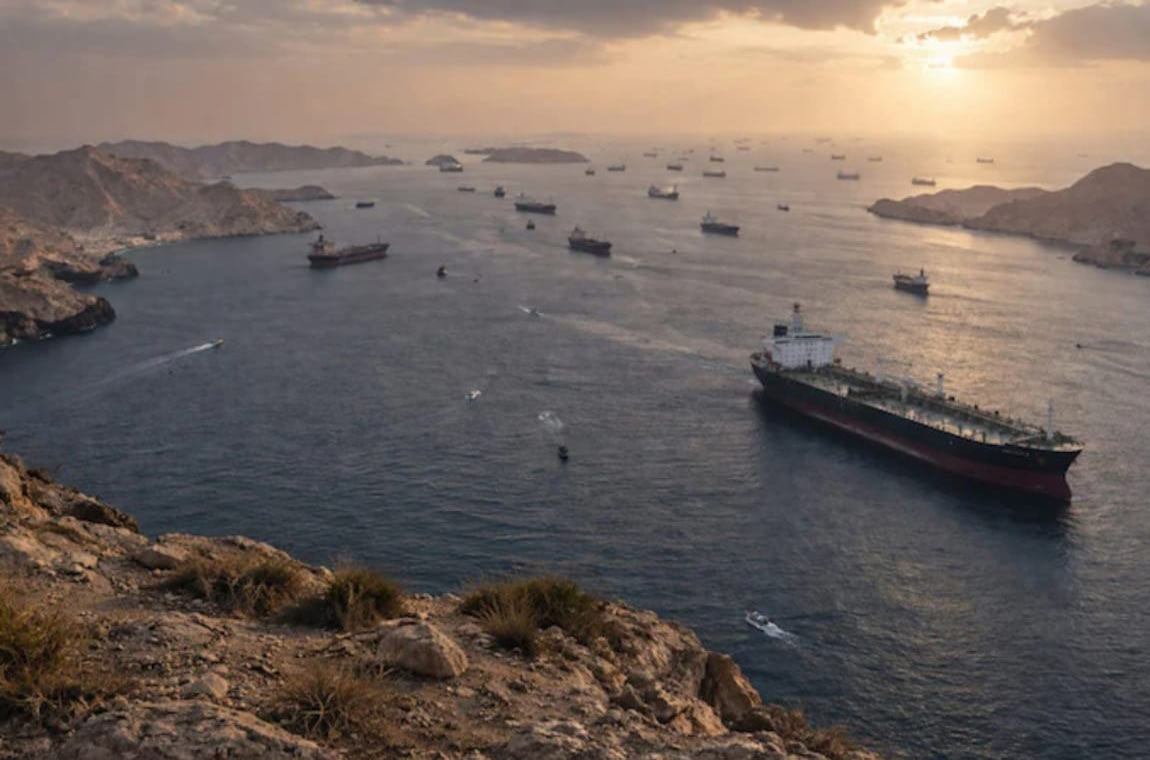
While proposals to end the Hormuz blockade remain gridlocked by irreconcilable stances, ad hoc solutions have been adopted by the Gulf and innovative shipping operators to continue maritime trade. According to data from Lloyd’s List, roughly 1,000 ships have transited the Hormuz using a “dark transit” strategy throughout the duration of the conflict, whereby they pass through the Hormuz at night and disable or manipulate their Automatic Identification System (AIS) to prevent the Iranian Navy from tracking their identities and location. Long-term Iranian control over Hormuz could make this practice permanent. It is ironic that this strategy was first adopted by shadow fleets smuggling sanctioned Iranian crude oil.
Due to massive demand, tanker charter rates in the Hormuz have reached four times the prewar rates—roughly US$400,000 per day. Large profits explain why shipping operators, such as the Korean Sinokor, continue to operate in the Hormuz. Iraq, Qatar, Kuwait, and the United Arab Emirates (UAE) have used a “shuttle strategy,” in which vessels make short relay trips, moving oil between vessels until the cargo moves outside the Strait. This allowed roughly four million barrels of oil per day to be exported, despite the blockade.
Gridlocks and Possibilities
Despite these developments, the blockade remains unresolved. While the international community insists on full freedom of navigation in Hormuz, Iran has defiantly asserted full control and has attacked and sanctioned vessels adopting ad hoc methods. Although there was a reported agreement between Oman and Iran to create a “temporary maritime corridor” on 25 August 2026, Iranian Deputy Foreign Minister Kazem Gharibabadi announced that the Strait remains closed despite it. In the short term, therefore, it is unlikely that maritime trade in Hormuz would resume, much less reach pre-war levels.
However, in the long term, the rise of alternative pipelines and routes could make the Hormuz Strait less central to the Middle East’s maritime trade.
However, in the long term, the rise of alternative pipelines and routes could make the Hormuz Strait less central to the Middle East’s maritime trade. There are other established routes, most notably the Saudi Abqaiq–Yanbu pipeline, which funnel oil towards Red Sea ports. The UAE has expedited construction of the West–East pipeline, which could be operational by 2027, creating an additional route to the Gulf of Oman. Ambitious Turkish plans under the Four Seas Initiative could create a network of hydrocarbon pipelines bypassing Hormuz and linking the Middle East, the Caucuses, and Central Asia. What is certain is that the ongoing war will irreversibly reshape maritime trade networks in the Middle East.
Huzeir Ezekiel Dzulhisham is Senior Analyst in the Dean’s Office at the S. Rajaratnam School of International Studies (RSIS), Nanyang Technological University (NTU), Singapore. He specialises in geopolitics and international relations of the Middle East and Iran.
Nicholas Lim is Senior Fellow at the Institute of Defence and Strategic Studies (IDSS) at RSIS, NTU. His main research interest is in maritime security. He has served more than 30 years in the Singapore Armed Forces.